The Thought That Drifted In With the Tide
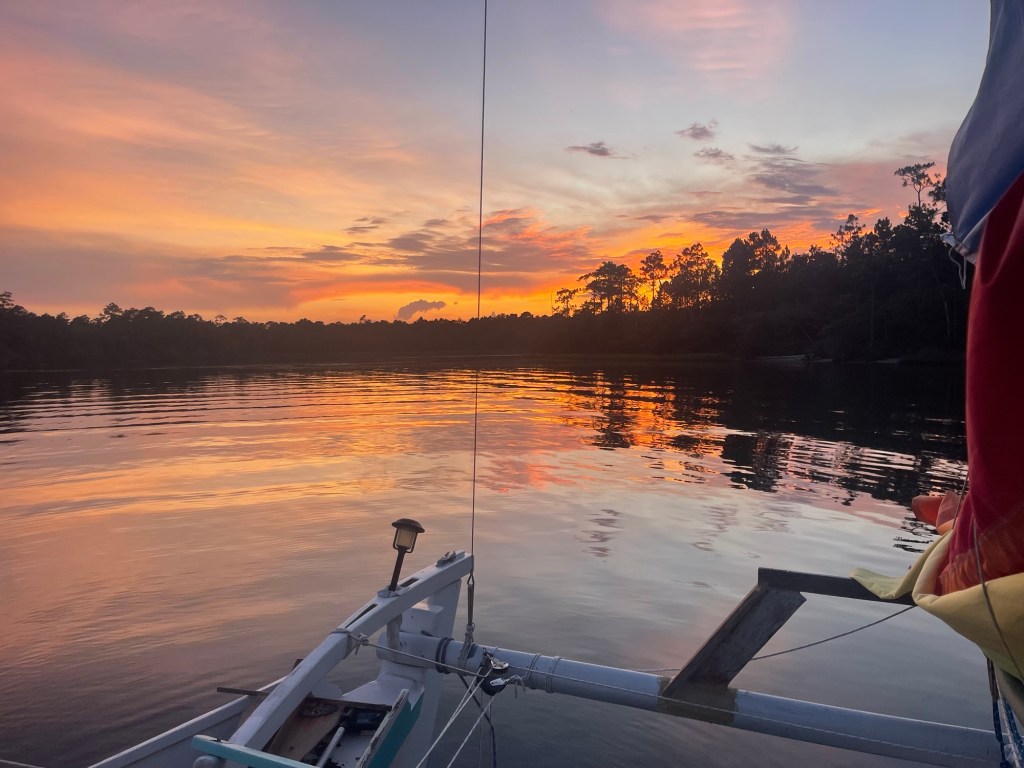
Early mornings on the Gulf Intra Coastal Waterway, when there’s hardly any wind overnight the water lies perfectly flat, as if trying not to wake the day. The boat has no real movement until an early rise fisherman’s boat throws a wake or the wind pick up. I’ll sit with a mug of coffee cooling too quickly, watching the world shake off its night colors, hearing the water world come alive.
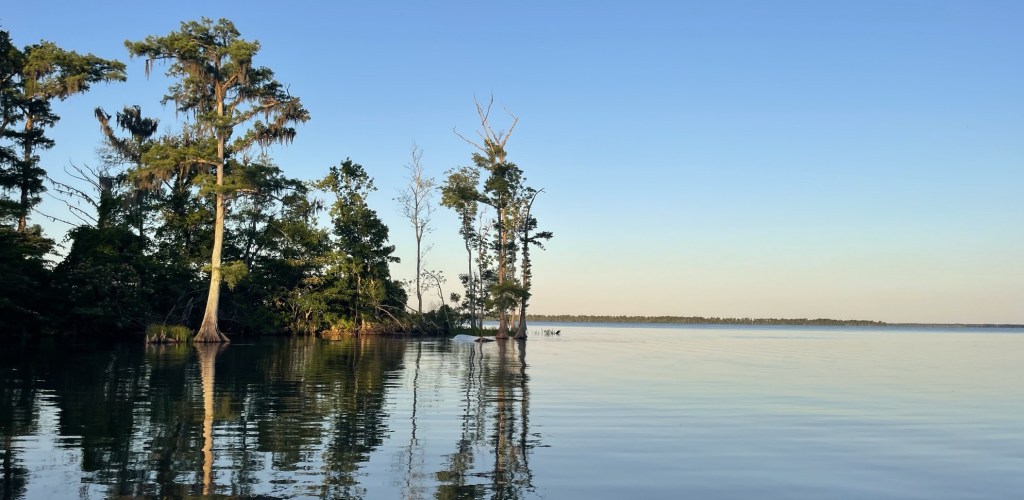
Sitting, watching, letting my mind wander, a thought came to me:
How different the English canal system must feel — and yet how oddly similar these two worlds are.
Not because I’ve cruised those English waterways myself, but because I’ve studied them the way some people study far off places: obsessively, and with the vague suspicion that I could feel right at home wandering along their many miles of quiet dark waters.
This particular morning, the ICW and the English canals began a quiet dialogue in my mind.
What follows is the extended version of that internal conversation. My apologies if some assumptions are off the mark.
1. Scale — The U.S. Continent vs. The Clockwork English Network
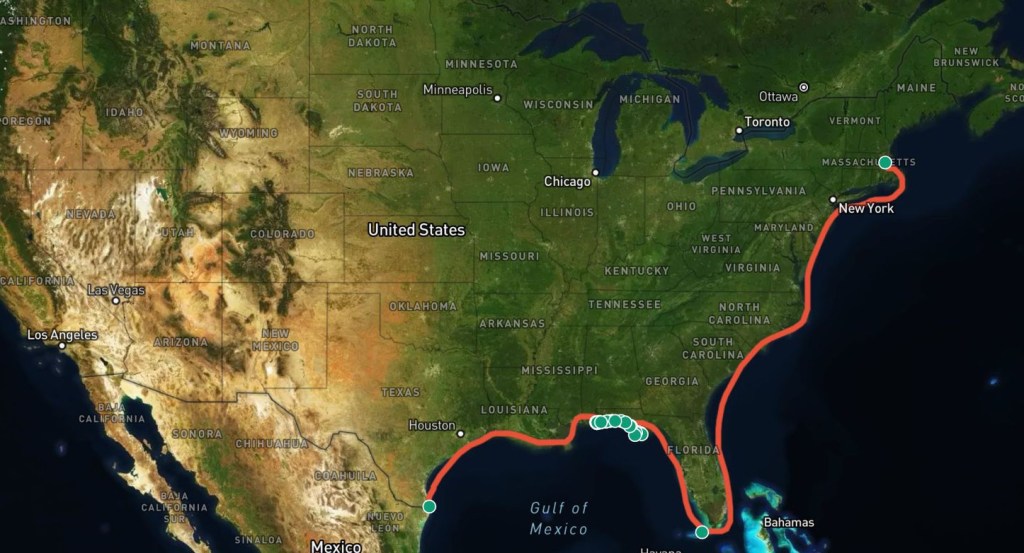
The first thing anyone learns about the U.S. Coastal ICW is that it never seems to end. You can zoom out on the chart-plotter and see it tracing the coastline for what seems like forever. In fact, one end is marked at Brownsville, Texas, and it meanders all the way to Boston, Massachusetts, with only a couple of sections where you must travel open water. In its entirety it’s around 3000 miles (4800km) long.
This waterway is the kind of thing someone invents when they look at a continent and say, “Let’s carve a fat, aquatic ring road around it.”
The English canals? The canals themselves are around 2700 (4300km) miles long and connect with many river systems totaling around 4700 (7500km) navigable miles.

They were carved by people who looked at a country and said:
“Let’s make a tidy, very deliberate system of narrow liquid footpaths.”
The network seems so precise that you could navigate it with a pocket watch, a half-decent map, and the British willingness to not be in a rush. It’s a tangled web of narrow, tree lined, slow waters. Where stopping to brew up a cuppa seems mandatory.
One is scale you grapple with.
The other is scale you immerse in.
2. History — Ongoing vs. Curated
ICW history is still breathing heavily with industry.
Every day I see barges whose hulls look like they’ve survived more seasons than I have birthdays. Old fishing huts on stilts lean at angles only loyalty can maintain. Marinas evolve, channels shift, dredgers complain.
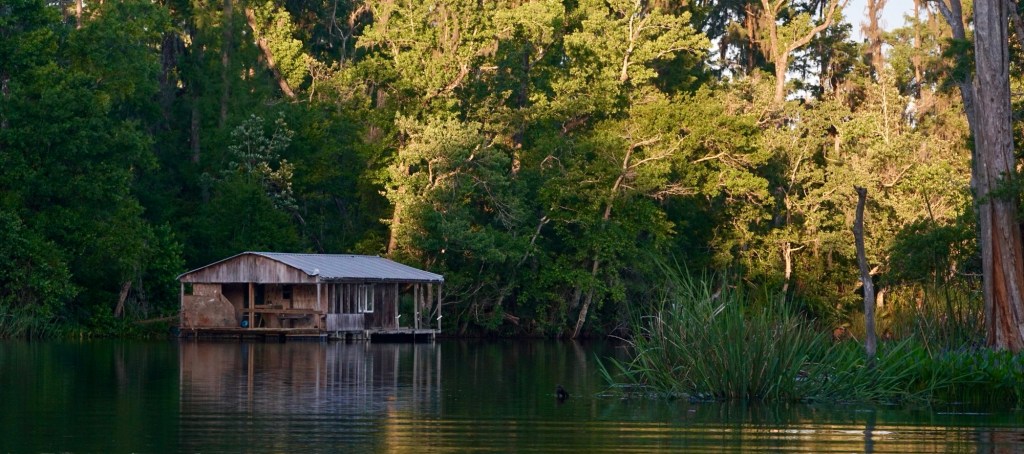
It’s a living timeline, active and unpredictable.
By contrast, English canal systems seems to be curated — almost museum-like in their preservation. They appear full of this reverent tone: locks engineered during the Industrial Revolution, towpaths once trodden by horses, tunnels dug by candlelight and long-suffering laborers who probably invented new swear words with every foot of progress.

The ICW’s history seems to be growing.
The English canals’ history is being maintained.
Both hold weight.
Both tell stories.
Both shape the traveler.
3. Speed — Tide vs. Towpath Logic
The ICW is a place where speed is always present.
The work barges push along at 5 or 6 knots, the powered pleasure craft are doing up to 50/60 knots.
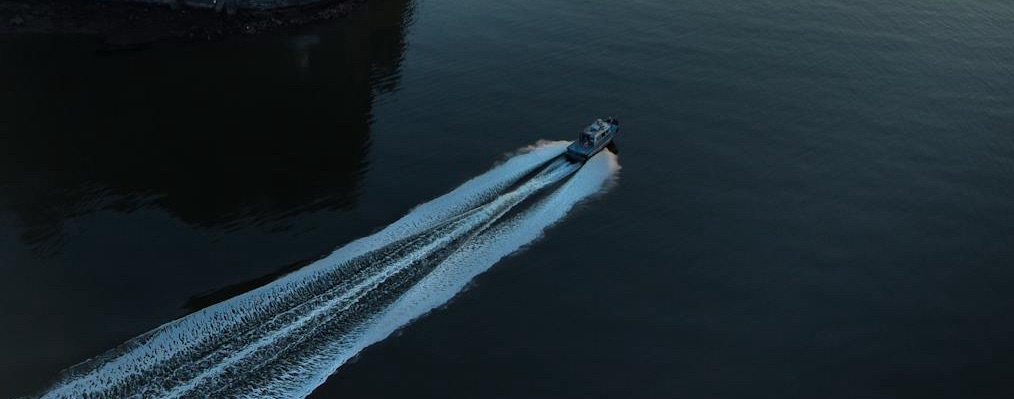
Many cruisers race from marina to marina, but there are plenty hanging off their anchor.
Speed is very common, and expected, but the wakes however, are an unbelievable pain in the arse.
But English canals?
Their speed limit is roughly that of a dog walker in good shoes. Many canal guides recommend traveling at “a gentle pace that does not outstrip a strolling human.” Dogs, apparently, serve as informal speedometers.

The ICW teaches you to adapt.
The canals teach you to accept.
The distinction is subtle but important.
4. Landscape — Horizons vs. Held Spaces
On the ICW, you can spend days moving through spaces that are open enough to feel exposed like open sea, and others that are closed in and feel downright Jurassic.

England’s canals, in every photograph, account, and map I’ve studied, feel intentionally framed.
Willows.
Stone bridges.
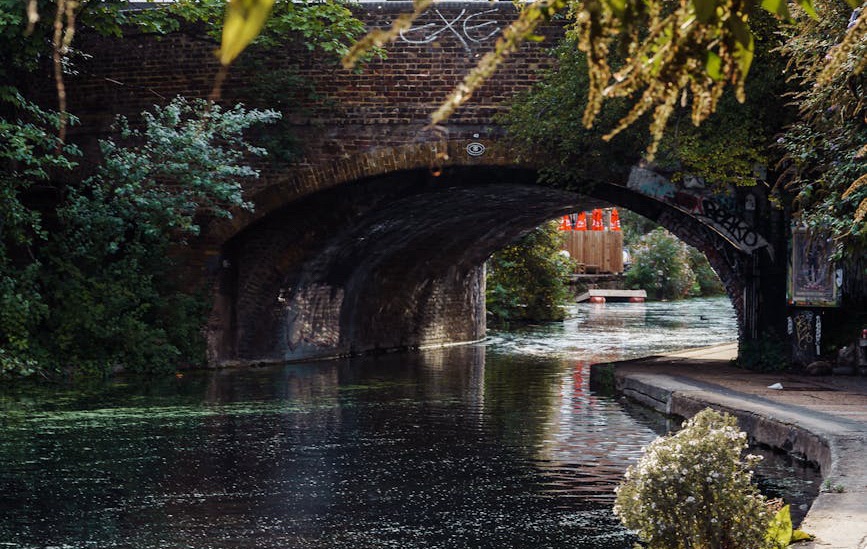
Towpaths with the kind of grass that looks like it smells wonderful after rain.
While the ICW seems to ask, “How far do you want to go today?”
The canal system asks, “How closely do you want to look?”
5. Navigation — Nature’s Mood vs. Human Blueprint
On the ICW, I have grounded on sand bars and been stranded on a beach from an absolutely horrific overnight storm. The depth sounder must be monitored constantly in tighter waterways as the sand bars are always moving, especially as I can, and do, often go beyond the channel markers.
In the English canal system, there doesn’t seem to be much guessing.
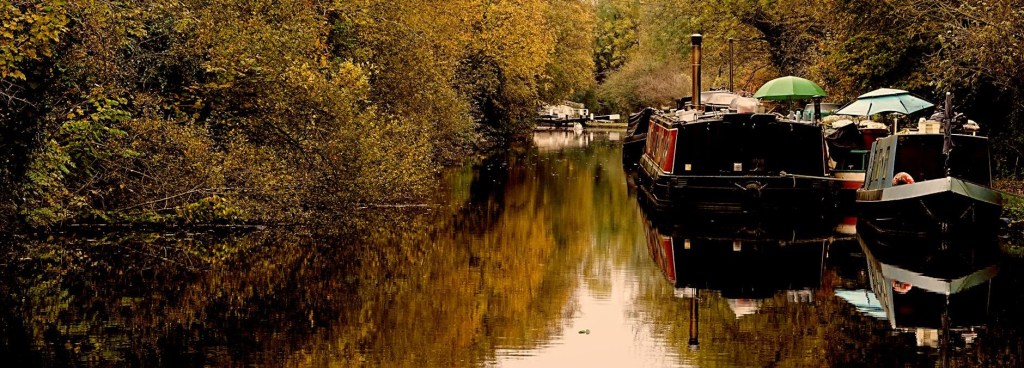
Depth is intentionally shallow.
Width is intentionally narrow.
Turns are deliberate, engineered by surveyors who apparently worked exclusively with one boat at a time mind.
American navigation is a conversation with nature.
English navigation is a conversation with geometry — and sometimes geometry wins.
6. Locks — Occasional Events vs. Daily Rituals
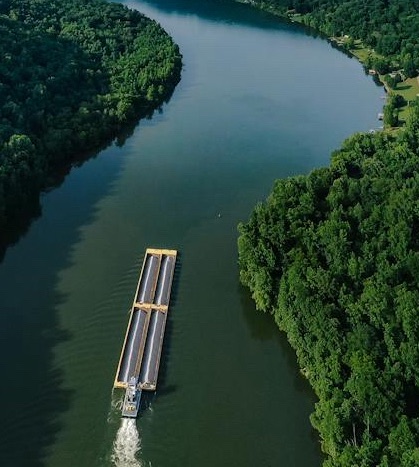
Entering some of the ICW narrow, bendy, sections require careful planning with regards to the huge barges, and trawler type cruisers.
You prepare.
You position.
You hope the others do the same.
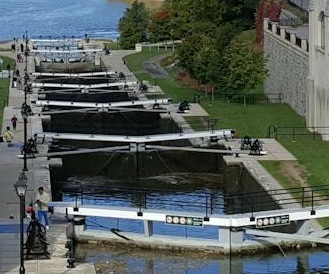
Canal locks, according to every account I’ve read, are more a way of life. Hundreds of them. Some in long flights, rising up hills in waterborne staircases.
The ICW waterway says:
“You’re moving somewhere new.”
The English canal says:
“You’re moving in the same way everyone has for 250 years.”
There’s a beauty to both.
7. Culture — The Great Migration vs. The Floating Village
ICW culture is migratory.
You could meet a boat in North Carolina, see it again in Florida, and never cross paths again. It’s a waterway of temporary companions — a beautiful form of impermanence.
English canal culture appears much more tightly knit. The same boats. The same faces. The same towpaths.
A floating neighborhood rather than a moving caravan.
The ICW gives you wanderers.
The canals give you neighbors.
8. Nights — Cosmic vs. Enclosed Quiet
My ICW nights have been vast: stars reflected in quiet waters, wind whispering across the flatlands, the sense that the world has been stretched out like a piece of quiet cloth.
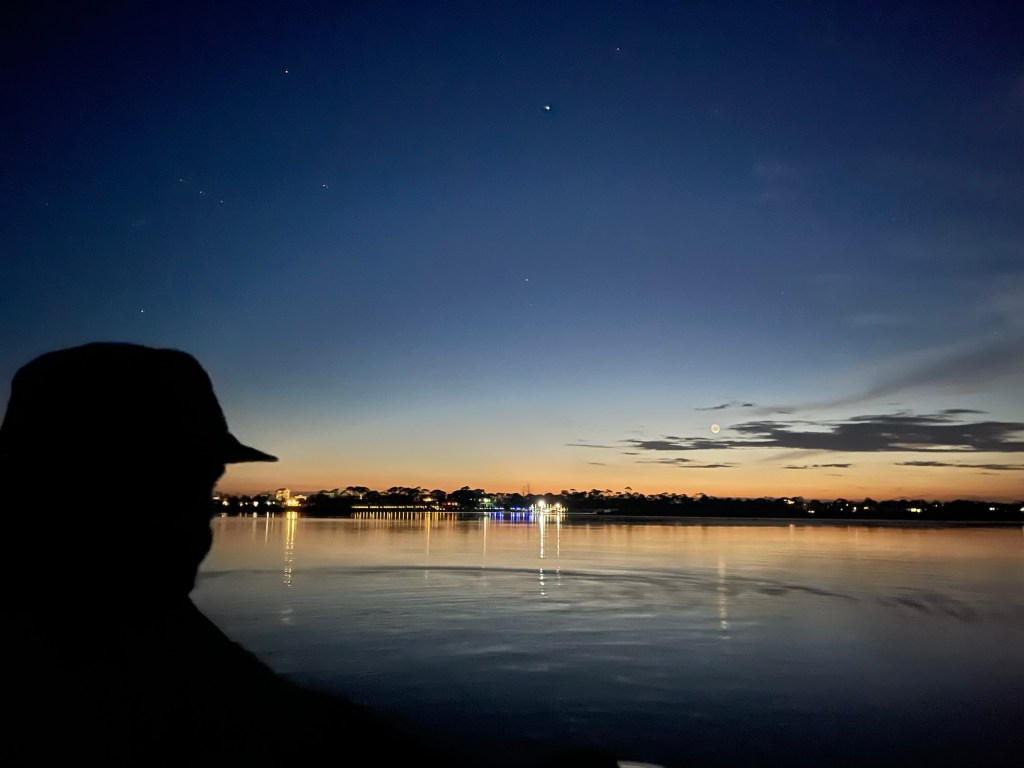
Images of the English canals show an intimate calm: a stone bridge arching overhead, the glow of a cottage window on the towpath, the quiet crackle of a narrowboat wood heater.

One quiet widens you.
The other folds around you.
Both could feel like home — even if I’ve yet to travel one.















 Journey Island Style