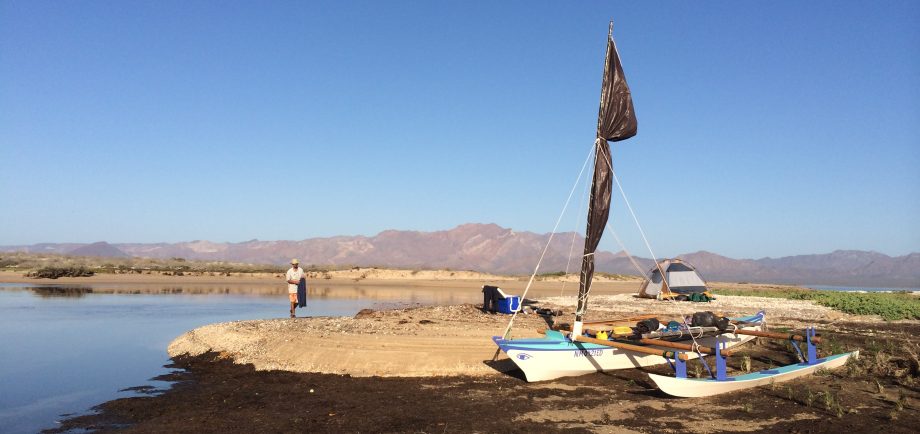
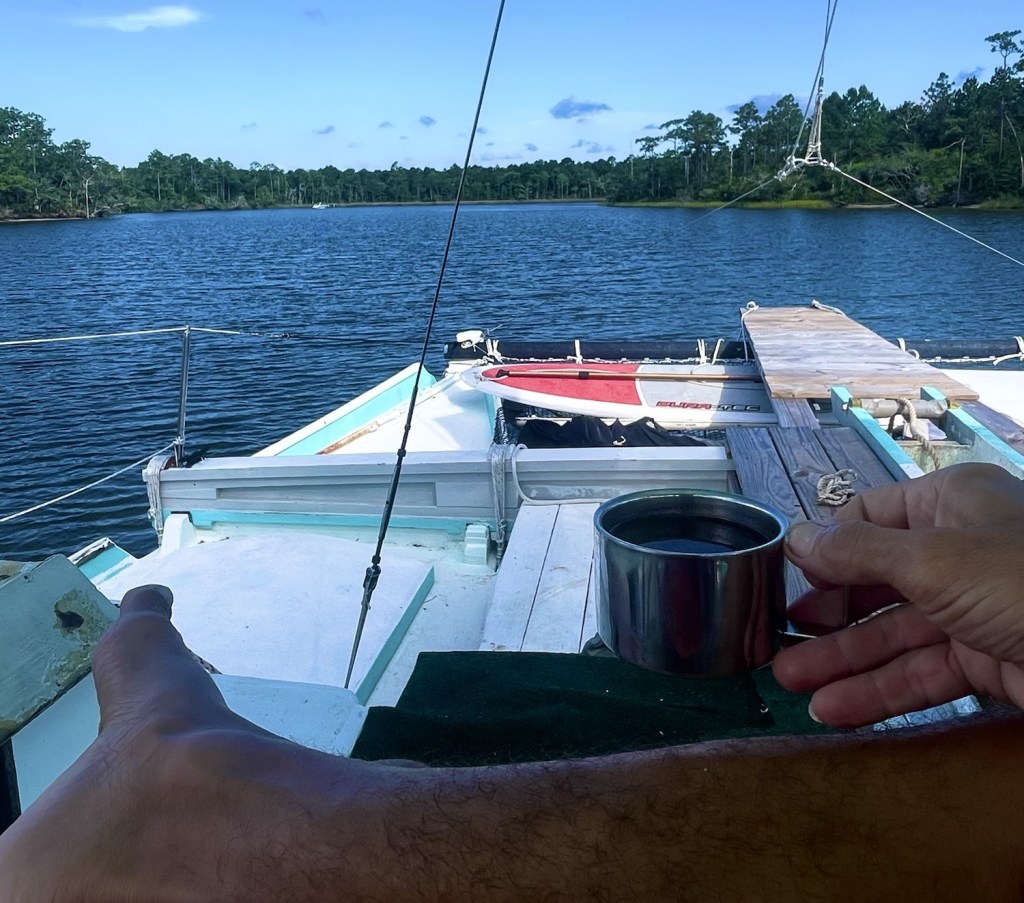
I’m often asked, especially by family, “Are you okay being all alone on your boat?”
During a recent family FaceTime chat with a dear friend, Shari, she saw the setup from which I was chatting with her. Then, dripping with sarcasm, she said, “Oh yeah, look at you doing it tough!”
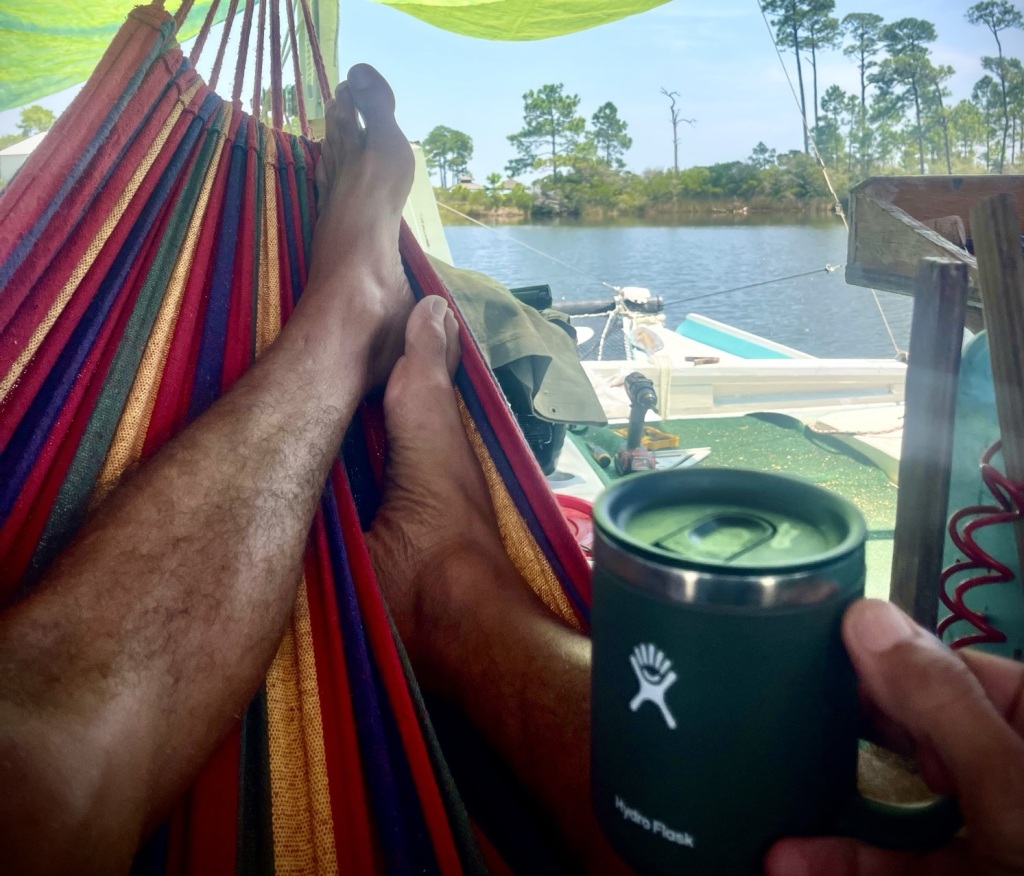
To be fair, I do like to stage my setup when talking to family and friends. At that moment, I was swinging in my hammock between the masts, with a delightfully empty bayou in the background, so I could understand the dig.
Living aboard a small sailboat conjures images of ultimate freedom: wind in your hair, sunsets on the horizon, dropping the anchor in a secluded idyllic cove. It really is the stuff of dreams. Nowadays the imagery can be carefully curated on YouTube and Instagram reels alike to look amazing, and oftentimes it truly is. But behind the scenes of this minimalist lifestyle lies a profound and often under-explored challenge—social isolation.
While many sailors are drawn to the solitude, the adventure, and the independence of boat life, the experience of living alone on a small sailboat can take a psychological toll over time. Now isolation isn’t unique to boat dwellers—people can feel lonely in cities, in marriages, or in crowds—but the physical, emotional, and even logistical realities of solo sailing create a unique environment that can intensify that sense of isolation.
Let’s explore social isolation aboard a small sailboat: what causes it, how it manifests, how it differs from chosen solitude, and ways to cope with or counteract it without giving up the life afloat.

The Allure of Solitude—and Its Double Edge
Solitude is one of the top reasons people choose to live aboard alone. There’s a sense of being a part of the world and yet, not. For me it’s kind of like visiting a zoo but I’m the one in a protective enclosure watching all the other creatures.
The modern world is saturated with noise, distractions, and constant digital demands. Sailing solo offers a rare escape, a retreat from consumerism, constant advertising, constant chaos of over populated communities, a break from societal expectations or a path toward inner peace.
But solitude and isolation are not the same thing, it’s being alone vs being lonely.
Solitude is chosen, restorative, and often empowering.
Isolation, especially when prolonged or unchosen, is disorienting and potentially harmful.
It can begin as a blissful feeling of escape, then gradually transition into loneliness, which can happen without immediate awareness. One morning while enjoying coffee you realize that the joy of simply ‘being’ has become much less than before, there’s a kind of emotional flatline. The very conditions that make boat life rewarding—distance, independence, silence—have become emotional burdens. There’s no next-door neighbor. No barista to greet you. No chance to “run into someone” on the street. Friends can feel quite distant.
I freely admit that this happens to me quite easily. I have a natural tendency to enjoy being alone and must always be on guard against slipping too far into that abyss. When I do realize that I’m embracing that emotional flatline it sometimes takes quite an effort to get off the boat and visit the world…to simply break that hold and reset my internal balance.
Physical Separation from Society
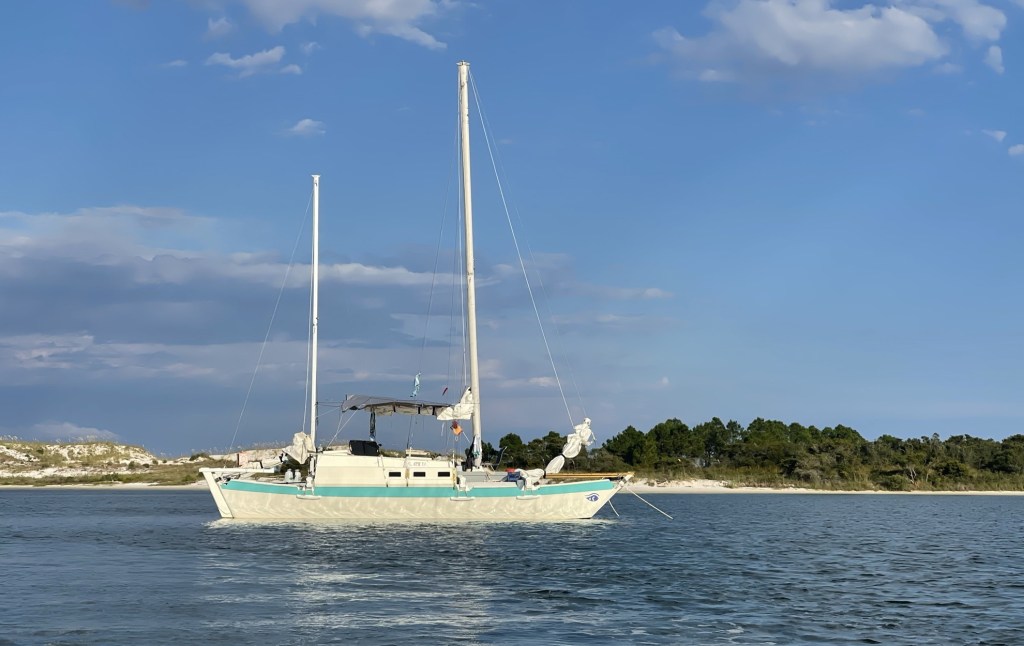
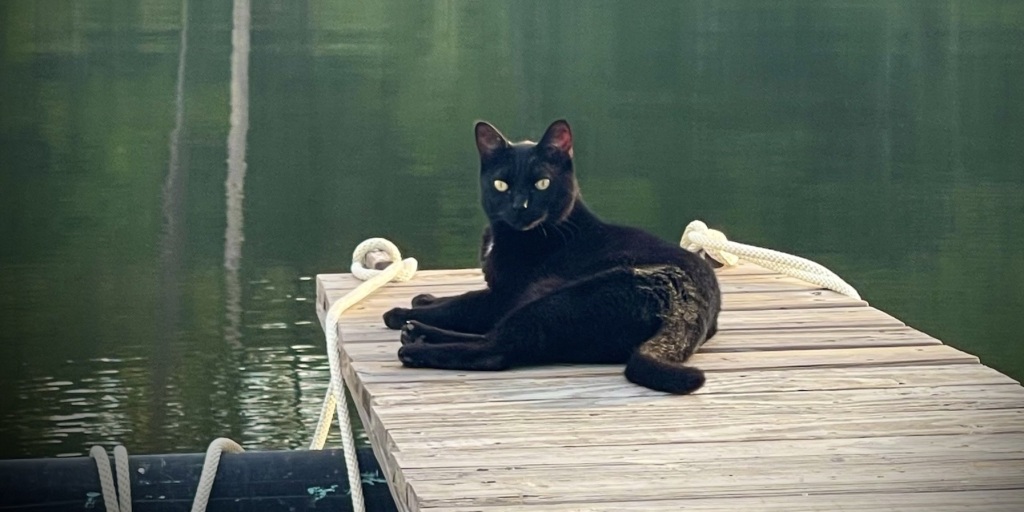
The waterways can be quite vast, allowing you to remove yourself from everyday human interaction. Living on a boat in a marina offers neighborly moments, but life at anchor, which I much prefer, in remote bays often means days or weeks without face-to-face contact. Luckily I’ve got a Kitty Cat to talk with and I figure that he’s a good barometer of isolation, if he actually talks back at any point, it’s time to be concerned.
Consider the daily routines of land-based life. Going to the store, maybe walking the dog a casual chats with neighbors, or getting together at social events or gatherings.
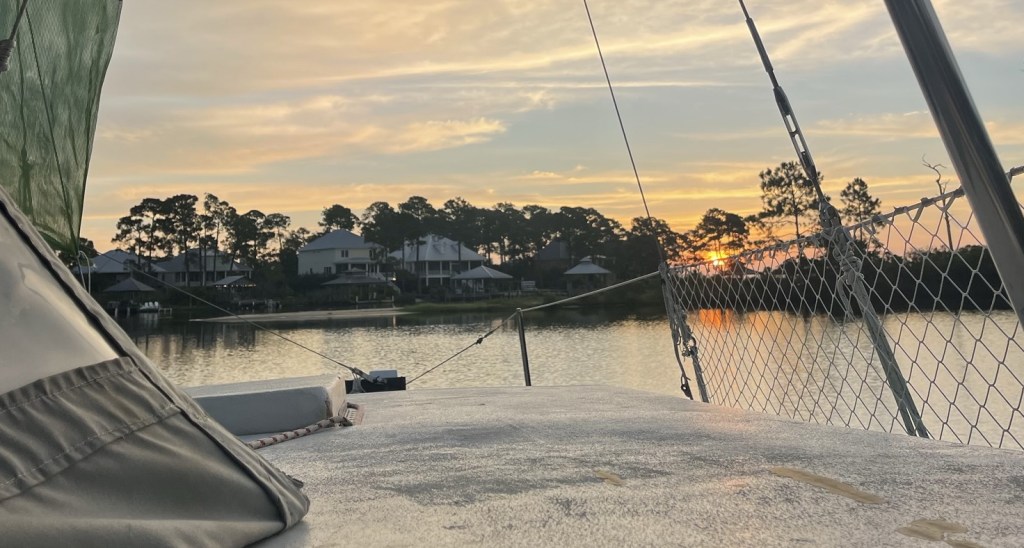
Now remove these routines. Your nearest “neighbor” might be on a boat over a 100 yards away, and you might not actually see them up on deck, and if you do it’s usually just a brief wave. You can potentially sail an entire days without interacting with another human. Often times you are merely a transient outsider on your way to someplace else.
Physical distance often reinforces emotional distance, especially when you’re in a different timezone than distant friends and family. Internet access can be quite limited, and you lack the energy or means to travel inland or meet new people.
You can develop a creeping sense of being disconnected from the rhythm of the world, of being on the outside looking in, and not really fitting in.
The Emotional Weight of Loneliness
Human beings are inherently social creatures. Even the most introverted among us benefit from some form of regular connection—conversations, shared experiences, touch, or simply the presence of another person causing an internal reaction.
When living alone on a small boat, the emotional effects of prolonged isolation can include:
Depression: A sense of purposelessness or sadness without clear cause.
Anxiety: Amplified by the absence of someone to share responsibilities or emergencies.
Paranoia: Worrying about every noise or weather change with no one to double-check or reassure your thoughts.
Decision fatigue: When every choice—from when to weigh anchor, or where to go, or to what to cook—is entirely yours.
There’s a concept of the “echo chamber” effect. Without other voices and thoughts, your own thoughts can loop and compound problems to seem bigger than they actually are. Joyful moments can feel smaller, and you start to miss not just people, but what those people reflect back to you: laughter, reassurance, shared stories.
Communication Challenges
With modern technology like Zoom, FaceTime, satellite messengers, social media—surely there’s always a way to connect, to mitigate this isolation?
To a degree yes, but it has its limits. Connectivity can be patchy at times, remote anchorages often lack a reliable signal. Time zones and schedules can make real-time contact difficult and digital communication lacks the emotional presence of a fellow human. A text is not a hug and it lacks intonation, a video call cannot replace the sense of camaraderie and giggles of dinner with friends. After a while, looking at a screen can feel hollow and distant. At times, I’ve felt at that moment of closing the online contact, the sense of isolation is very deep and sometimes disconcerting. Like you’ve just stepped through a doorway into vast isolation.
Online communities like Facebook sailing groups, YouTube channels, boat forums etc. can offer a temporary balm but rarely does it replace the energy of real human company.
Transient Friendships
A delightfully frustrating feature of living life afloat is that you often meet fascinating people from all walks of life only to part ways soon after. Sometimes those meetings create friendships that last through the test of time, and others simply fade into memories, some wonderful and others not so much, but they are all great fodder for many stories.
Cruisers tend to form bonds quickly, sharing meals, beach campfires and stories in a variety of anchorages. The lifestyle is inherently nomadic, balancing weather windows, differing routes and timelines. Boat needs and resupply requirements all pull people in different directions.
This creates a revolving door of relationships with quick hellos, brief connections and goodbyes that range from indifference to very real regret, then that ever present return to solitude.
It can be hard to form deep, lasting friendships. Trust takes time, and time is something most cruisers don’t share in the same place. The result can feel like an endless string of “Hi-n-By”.
It’s important for the solo live aboard to develop coping strategies that nurture emotional and social wellbeing.
Routine and Structure
Daily routines provides stability and a sense of structure which help to hold at bay that feeling of the emotional flatline. Regular meals, log entries, boat chores, exercise, reading, and creative pursuits all create a daily rhythm that can help ground the mind.
For me the most important is timeframe is the morning section of the day. I generally wake up around sunrise, I tease my black cat about being a cry baby meowing for his breakfast bowl, I make my French press coffee, and sit on deck to watch the world come alive. Then, for the next few hours I write and edit, until around midday when my ADHD kicks in too effectively and I simply follow my nose into boat projects, or fishing, or beach combing, or just hanging out in the hammock through the heat of the afternoon.
Writing, photography, playing my guitar, or tying flies provide expressive outlets. It’s a way to process emotions, reflect on experiences, and create connections of the day to day.
Many have a dog or cat onboard, they can offer company, responsibility, and emotional support. A wagging tail or gentle purr can go a long way when you’re feeling adrift. I happily admit that, when on those cooler mornings, my cat claws his way under the blanket, curls up behind my knees and starts purring, the smile it gives me is deep, genuine, and comfortable.
It’s very important to take time to check in with family and friends regularly. Although I must confess it is one of the hardest things for me to do as I often don’t realize how much time has passed since my last contact. It could be two days or two weeks, I think the term for it is being time blind.
It does take effort to socialize when you’re off-grid, but a little effort can stave off that point in time where loneliness sneaks in when you’re not paying attention.
Is Isolation the Price of Freedom?
For many, the answer is yes—and it’s a price they’re willing to pay. The peace, beauty, and autonomy of boat life outweigh the emotional cost. Others find the balance unsustainable and soon need to return to “a normal life”.
For me the key lies in understanding your own relationship with solitude, and how it differs to loneliness. If you find yourself being prone to depression or anxiety when isolated from the “civilized” world and away from people, then living as a solo sailor may not be a good fit. However, if you thrive on being alone much of the time, are comfortable meeting new people and make friends easily then the rewards of being a solo live aboard are immense.
I’m extremely lucky in that my wife Casey and I are very comfortable and secure in being apart for long periods of time, we talk nearly every day and communicate very well with each other. Time and distance has very little effect on our relationship.
A truthful assessment before casting off can help you design a boat life that suits your emotional needs, not just your wanderlust.
Every solo sailor has a different experience with isolation, some journal every evening and might read the entries aloud to their pet. It might seem silly, but it can provide a sense of being heard.
Some might have scheduled calls each week to family and friends, or organized weekly get togethers either onboard, on the beach or in a harbor bar and grill.
No matter how it’s achieved, connection is still possible, you simply have to seek it out.
Conclusion: Isolation and Loneliness is Very Real—but So Is Resilience
Living alone on a small sailboat is an act of courage. You face storms, breakdowns, and unknown horizons—not just on the water, but within yourself. Social isolation is a real and potent challenge that can quietly erode the joys of sailing life if left unaddressed, but it can also develop a great sense of independence and pride.
By understanding the risks, acknowledging your emotional needs, and proactively building connections into your floating life, you can steer a course that includes both peace and people.
You are not the only one out there feeling the silence. And sometimes, knowing that is the first step toward feeling less alone.
Sooo…
If you’re living solo on a boat—or dreaming of doing so—ask yourself: What do I need to feel connected? Build that into your overall plan. Whether it’s a weekly radio net or phone call, a good anchorage community, or simply reaching out more often, the effort is worth it.
You may be out there alone. But you don’t have to be lonely.


 Journey Island Style