Your Backyard is Someone Else’s Exotic Destination

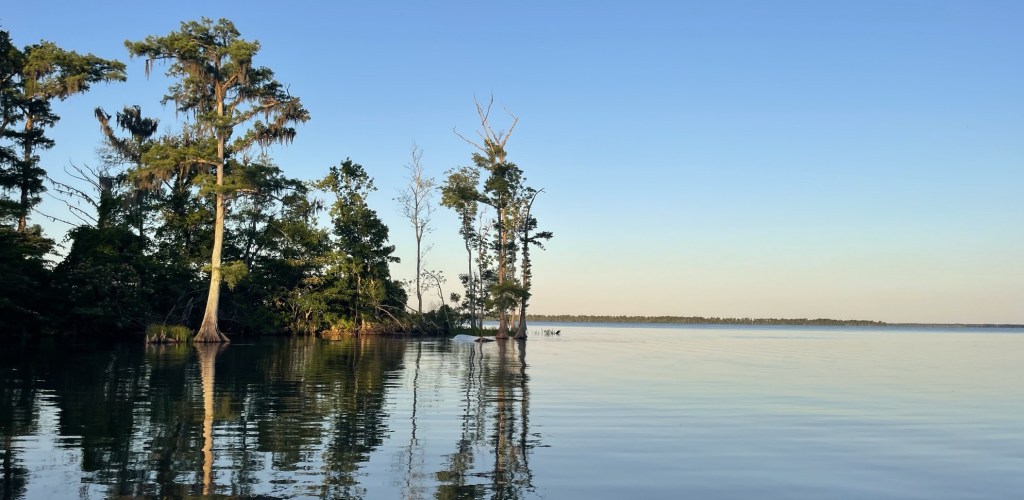
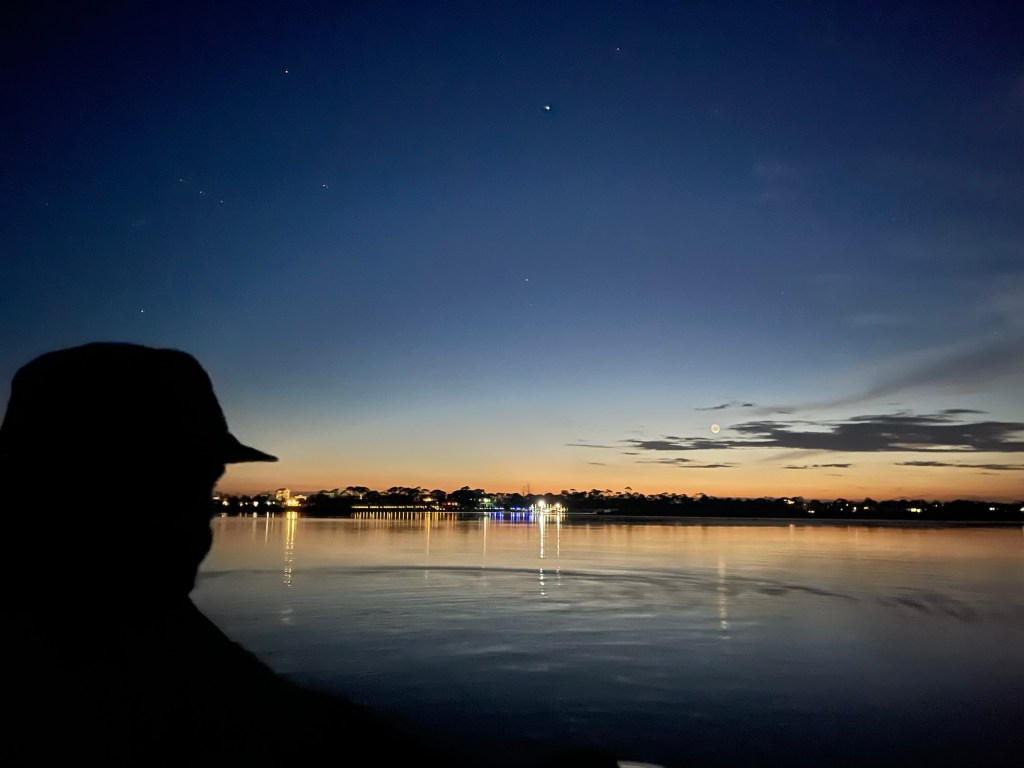
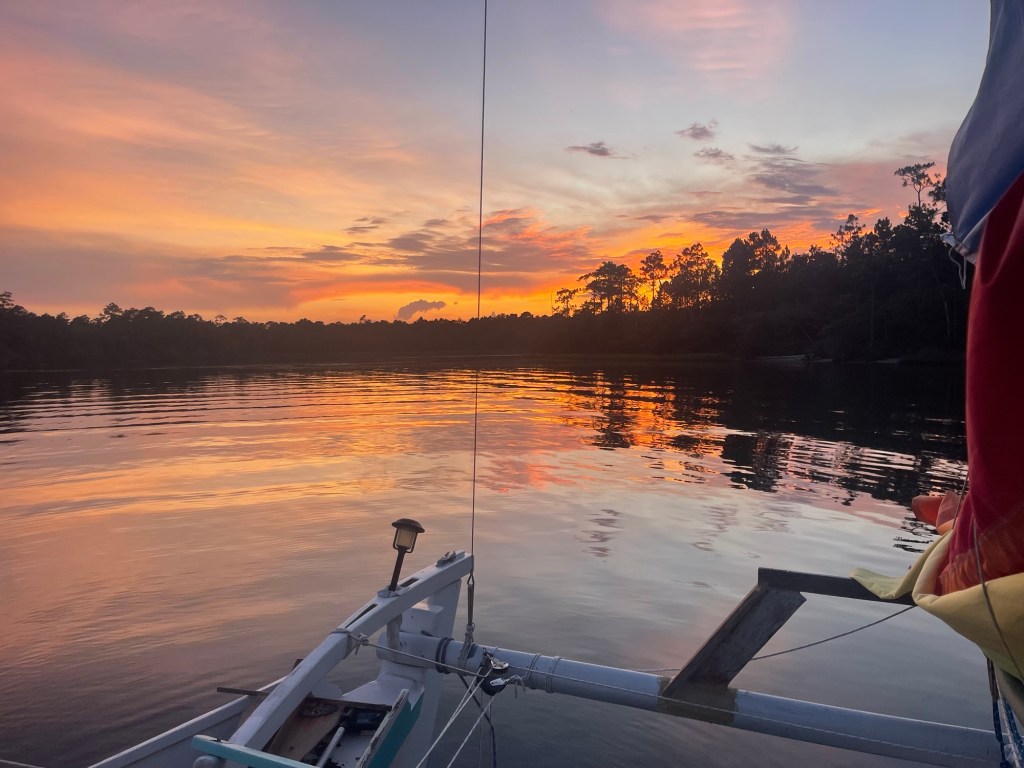
Sunrise or Sunset; still breathtaking

I’ve noticed humans can have a strange quirk, no matter where we are, we tend to think the good stuff is somewhere else. The good old “The grass is greener on the other side.” We often imagine life being grander, more meaningful, better, just over the horizon. Meanwhile, there’s probably someone standing on the other side of that horizon staring back at your patch of earth thinking, “One day, I’ll go there.”

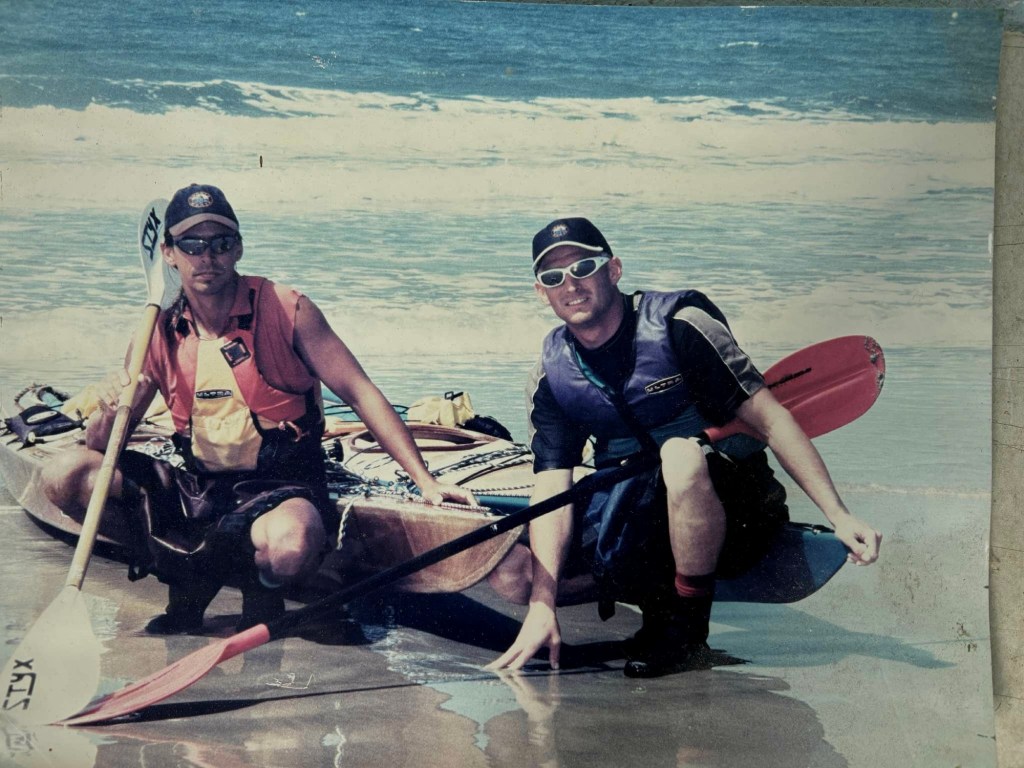
When I taught outdoor education and sea kayaking, I would often tell my clients that where we were climbing, hiking or paddling was an exotic destination for someone a world away. Then encourage them to view our current situation from that perspective.

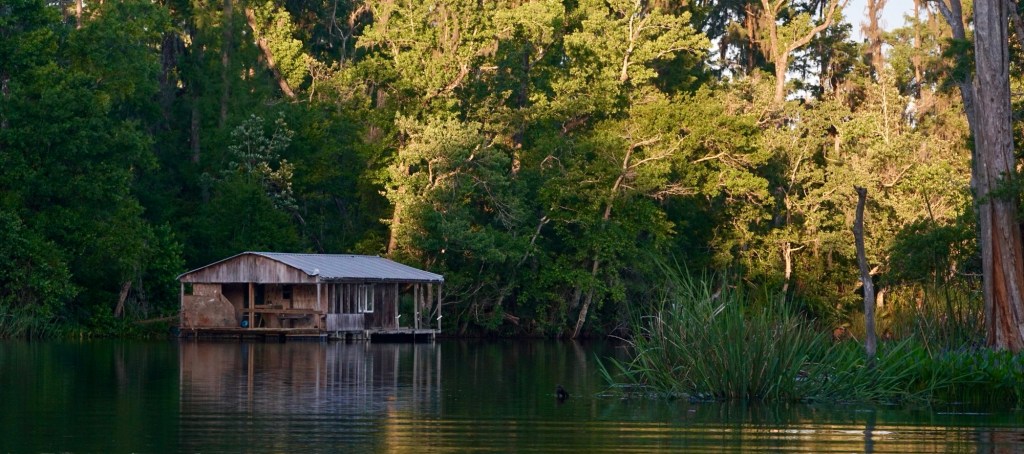
Someone else’s once-in-a-lifetime destination could be in your own backyard. Someone out there is right now is scrolling through travel blogs and whispering, “One day I’d love to surf on the coast of Queensland!”, or “Fishing in America’s Gulf Coast bayous must be amazing”.

We can be a funny species that way. We’ll spend thousands chasing distant beauty when half the time it exists just outside our back door.

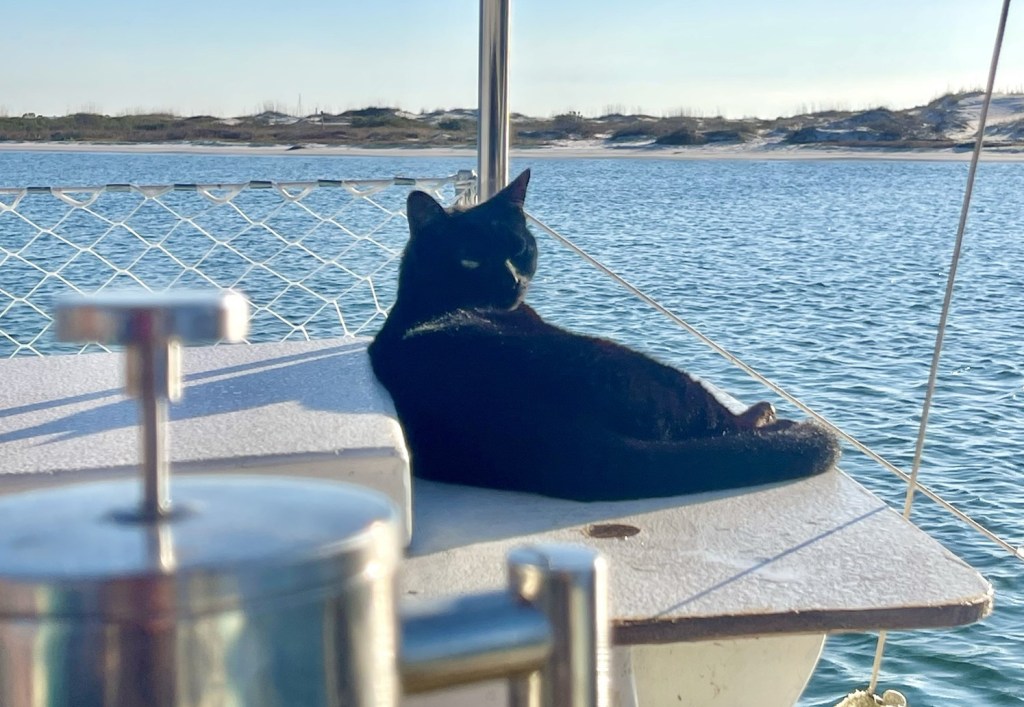
A nice break just down the road

The Lure of Somewhere Else

As kids, we dream of adventure — jungles, deserts, mountains, castles or pirates. Treasure maps always lead somewhere else, far, far away. The treasure was never hidden near home. The adventure was always imagined to be in a distant place that was hard to get to.

Then we reach adulthood, and with it, the ability to travel. Suddenly we’re convinced that peace, happiness, and adventure are only available by the week, in Bali, or the Bahamas. We chase sunsets and cocktails in far off places, forgetting the sun sets just fine right where we are.

Don’t get me wrong, travel is a wonderful thing. Seeing the world, and different cultures changes you and opens your mind. But sometimes, I think we travel less to see but more to escape the ordinary. The trouble is the ordinary can follow us, like luggage. If we tend to grumble about the price of coffee at our local cafe, that headspace will make it through customs with you just fine.

I think John Gierach once wrote that fly-fishing was less about the fish and more about the places it took you. Oftentimes those ‘places’ can be close to our backyards — we simply don’t recognize them because they are wearing their “ordinary” clothes.

Could be your backyard

The Tourist at Home

Could we treat our backyard like an exotic destination? Wander out the back door with the same curiosity and reverence usually reserved for somewhere stamped in the passport?

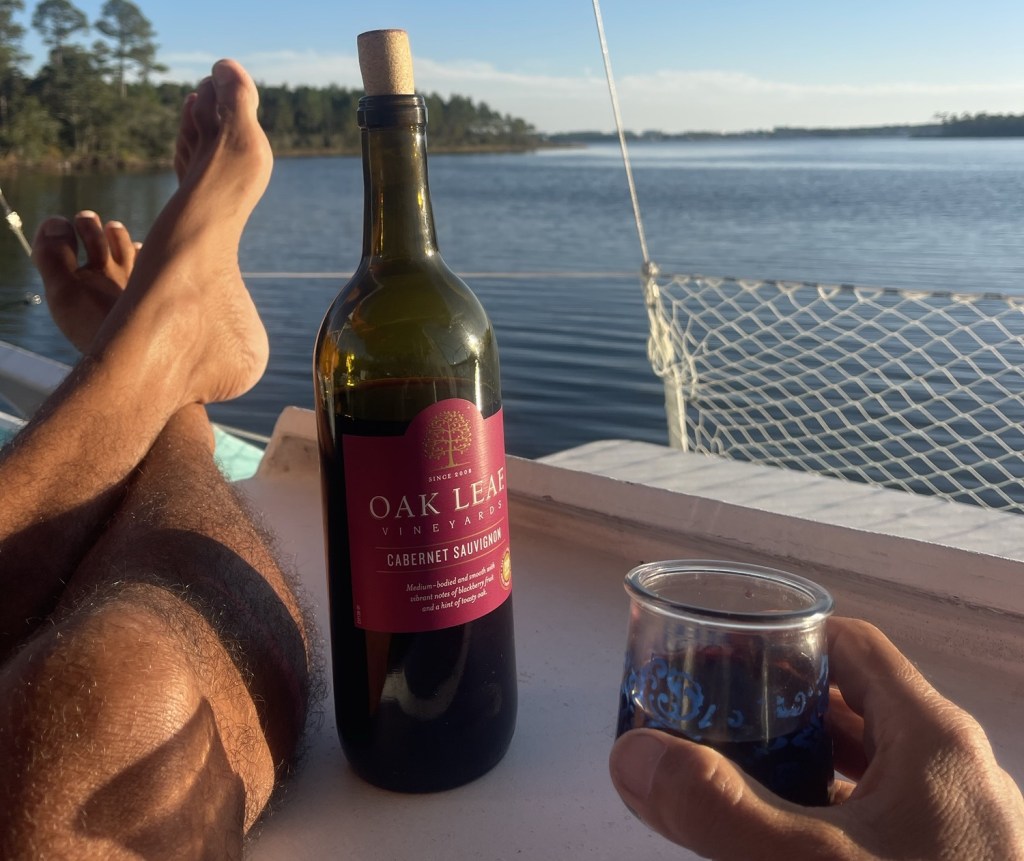
Pack a small bag, or load the canoe. Walk a local trail, or paddle around a bend in the nearest river. Take a bottle of wine, a pair of binoculars and a notebook or camera. Make your way to an area you’ve never been before, and just sit and listen, and look around.

You might see tiny school of minnows flickering like silver confetti under the hull, or dragonflies hovering overhead in the trees like fairies, maybe a turtle sunning itself on a log as if auditioning for a nature documentary.

Imagine David Attenborough narrating, “Here, in the wilds, the common slider turtle basks in the warm sunlight, blissfully unconcerned he’s being watched.”

Take some photos, write in the notebook, enjoy your glass of wine, and realize you’re doing something in a place that someone else is only dreaming about. It may be your ordinary, but it’s also an exotic destination for someone a world away.

Could be Anywhere

Perhaps the difference between being exotic and being common isn’t distance, but attention. Maybe wonder doesn’t live in the passport stamps, but in how we look at the world.

Someone Else’s Dream

Imagine this scenario.

A German backpacker has flown half way around the world just to surf the very beach down the road from your house in Australia. He’s sunburned, thoroughly stoked, and carrying a surfboard that costs a small fortune.

You meet him in the car park.

He asks, “Do you come here often?”

And you reply, “Nah not really, it’s too crowded, and I don’t like sand in my shorts.”

He’d probably look at you like you hate puppies. “But this… this is Australia! Sunshine! Ocean! Kangaroos!”

And with a bit of sarcasm you might say, “Yeah, mate. And magpies. Don’t forget the magpies, and bloody green ants.”

Here’s someone who’d crossed the globe to experience what you might write off as merely background noise to your life. The surf, the sun, the salt air — all the things he’d dream about while shoveling snow back home in Germany.

I think everybody has a tendency do it. The Parisians roll their eyes at the Eiffel Tower. New Yorkers not paying attention to their astounding skyline. Australians tend to not give the “Outback” much of a second thought

And yet, somewhere, someone, is looking at your part of the world, your park, your coast, your backyard, and thinking: One day.

Sydney At Night

The Myth of Elsewhere

Francis Whiting might have once said that travel doesn’t make you better; it just makes you more you. If you’re impatient, you’ll be impatient at the Colosseum . If you’re generous and happy, you’ll be generous and happy in Ecuador . And if you’re a chronic overpacker, you’ll still carry way too much onto the plane.

We romanticize the idea of “elsewhere” because it’s unspoiled by our reality. The places we haven’t visited are still a mystery. But once we get there, the same life ingredients we left behind are also there: weather, traffic, mosquitoes, overpriced coffee. Conversely, the things we imagine are exciting in that far away place, are actually with us all along.

We might think adventure may lie in far away places, but a lot of life’s mysteries can be found in our own backyard. Walk around a local park or beach, find a spot to sit still for a while and you might see a family of creatures that live in a log or a tide pool. The heron that lands by the creek long enough for you to watch it stalk and catch its next meal.

No Matter Where: It’s Amazing

Maybe the point isn’t to escape the ordinary, but to learn to see past it. When we travel to new places we tend to look for interesting things, but not so much at home.

Why We Miss It

So why do we overlook our own surroundings?

I guess it’s partly novelty. The human brain loves change — it lights up when we’re surprised and stimulated. After a while, our brains go “seen it” and tunes out. It’s the same reason we don’t see the car keys on the table.

And maybe marketing. Billions are spent convincing us happiness is elsewhere — on beaches, in mountain lodges, on yachts with infinity pools. No one’s really running ads saying “Rediscover the magic of your shed!”

But mostly, I think it’s habit. We forget to look. We stop paying attention. And attention, it turns out, is the key to wonder.

Francis Whiting, an Australian columnist, once joked that the best way to make your town exciting again is to have a visitor point out all the things you’ve stopped seeing; “Look at the dolphins! You have dolphins right there under your boat!” they’ll say, eyes wide. And you’ll shrug, “Yeah, but the beer’s gone a bit warm.”

It’s a humbling reminder: the extraordinary doesn’t stop being extraordinary just because we’re used to it.

The Exchange Program

Imagine a global swap program where everyone trades backyards for a week. The English gets an Aussie backyard with kookaburras and magpies. Australians get a snowy German forest. Americans might swap their porches for Japanese bonsai gardens.

Just Thought it Looked Funky?

We’d might come out of it marveling at how exotic our own patch of dirt actually is. The German would rave about the lorikeets and galahs. The Aussie might weep at the sight of a fox in the snow. And everyone would have a chance to see their own gardens with fresh eyes.

Maybe we don’t need a plane ticket — just a change in perspective.

The Backyard Pilgrimage

Gierach wrote about the “home water” — that local body of water you fish over and over until it becomes sacred through repetition. You know every rock, every bend, every stubborn trout that refuses your fly. You could go anywhere, but you keep coming back because it’s yours.

Maybe we all have a “home water.” A place we’ve worn smooth with our presence. It could be a backyard, a park, a corner café, or a bench by the beach.

It’s not glamorous. But it is familiar, and comforting, and quietly miraculous if you pay attention.

The thing about sacred places is that they don’t declare themselves. You have to decide. You have to say, “This — this patch of sunlight, this breeze, this cafe — this is my Shangri-La .”

What the Tourists Know

Every now and then, you might see a group of tourists snapping photos of something you’d never look twice at — a mural, a fruit stall, a street musician. They’ll beam, take selfies, and then you might realize: they’re right. It is beautiful. I just forgot.

Tourists find the secrets we’ve forgotten: the world is astonishing if you’re seeing it for the first time.

So here’s a thought experiment. Tomorrow morning, wake up and pretend you’re visiting your home area for the first time. Take the scenic route to work. Walk instead of drive. Ask questions. Notice things.

Hopefully you’ll find something you’ve never seen before — even if it’s just how good the light looks at a certain hour, or the way the neighbor’s jacaranda turns the footpath purple.

Jacaranda Glow

The Grand Conclusion (with a glass of wine)

After all these backyard expeditions and philosophical wanderings, I’ve come to a simple truth:

Everywhere is exotic to someone.

Everywhere is ordinary to someone else.

And the difference lies in the eyes doing the looking.

You don’t necessarily have to cross the Andes Mountains on horse back to feel awestruck. Sometimes it’s in the way the morning light hits your backyard trees. Sometimes it’s the smell of fresh rain on dry earth. Sometimes it’s just sitting with a cup of tea, realizing you’re standing in the middle of someone else’s dream location.

So, next time you find yourself scrolling through travel blogs, dreaming of far-off lands, take a walk outside. Listen. Look. Smell. Pretend you’ve just arrived.

You might discover that the adventure you’ve been saving for is already happening — right there in your own backyard.

Categories: Journey Skills | Tags: , , , , , , | Leave a comment

Defining a Dream

Defining a Dream

Defining a Dream

Dreams are often thought of as distant, unreachable fantasies, the kind that happen when our eyes are closed and we’re tucked beneath the sheets. But the truth is, we’re always dreaming. Every flicker of thought about the future—whether it’s ten minutes away or ten years down the road—is a dream. We may label it a plan, a goal, or a vision, but until it takes shape in the physical world, it exists only in that fragile, hopeful place: our imagination.

For me, one of the simplest dreams arrives each morning. Before the day fully begins, I think about coffee. Not just the taste, though that rich flavor explosion is its own small, beautiful miracle, but the whole ritual of it—the quiet scooping of grounds, waiting for the kettle to boil, talking to the cat, the warmth of a mug between my hands, and the view from the deck of my small boat as the sun and weather defines what sort of day it will be. But until I rise and actually make it, that coffee is no more than a dream, a longing. But the moment I pour it and take that first sip, it transforms into reality.

Maker of Happiness

That’s the cycle of life: we are forever moving between dreams and realities, stepping across that line with step of the day. Even while making coffee, I catch myself dreaming ahead—about the weather, the small chores waiting on the boat, maybe a bit of writing. This dreaming process, it’s constant. Without dreaming we are stagnant, unable to push forward. Dreams are, in many ways, the raw material of living.

And yet, I know what it feels like to lose them. To actually live without any sense of dreaming about the future.

The Years Without Dreams

After Hurricane Sally in 2019, my life was split in two. A fall left me in the hospital with a collapsed lung, a shoulder blade shattered into three pieces, three ribs broken in multiple places and a head injury that no one could see at the time but it has reshaped everything. My body carried the bruises and scars, but the deeper wound was inside my skull. I woke up in a strange new existence, one where my mind was quiet—not the quiet of peace, but the empty quiet of absence.

Tubes are Fun!

Heavy medication, pain, and trauma left me stripped of something fundamental: the ability to imagine forward. Short-term memory loss haunted me, anything I witnessed was immediately forgotten; words, faces, impressions, they were gone within moments. Depression pressed down like wet rag over my mind, it was unrelenting and suffocating. PTSD and social anxiety tightened around me until I could barely function.

I spent months—years, really—staring at walls. Not thinking, not planning, not hoping. Just existing. People speak of “living in the moment” as if it’s enlightenment. But this wasn’t that. This was intellectual and emotional nothingness. A moment that repeated itself endlessly with no thread tying it to a future. It was like walking slowly on a treadmill: moving, breathing, but going nowhere.

During that time, even the small dream of coffee vanished. I would wake, sit, stare. The act of wanting had evaporated. My wife, Casey, kept the world moving around me, but I was no more a participant than a picture frame hanging on the wall.

Sparks of Return

Oddly enough, the thing that began to pull me back was YouTube. At first, I watched passively, just letting the images wash over me. Videos of small boat sailing, camping, fishing, the quiet art of photography. Chris Bamman, Rokkit, Roger Barnes—adventure based content creators who brought to me slices of a life I once knew well. Though I couldn’t put myself in their shoes; I couldn’t actually imagine being there. However, something in the background of my mind stirred faintly as their worlds filled my screen.

A Blank Canvas

Then there were voices—Peter McKinnon teaching the craft of storytelling through images, John Gierach’s stories floating from audiobooks about fly fishing and living outdoors, weaving tales of rivers and trout and the small pleasures that make life worthwhile. At first, all this content did was fire my mirror neurons, giving me borrowed feelings of movement, freedom, and curiosity. But as time dragged on, small sparks appeared.

I found myself wondering—what if?

What if there was still a future for me?

What if I could taste that coffee again with something more than numbness?

Those thoughts weren’t dreams yet, not in the full sense. They were just faint glimmers, the possibility that a future might exist. But glimmers are enough. They are kindling for the fire.

Waking Again

Now it’s 2025. Looking back, it almost feels as if that blank, hollow period never happened. I know it did, of course, but it seems like another lifetime, a world I passed through but didn’t belong to. I still carry memory glitches, and sometimes it’s difficult to tell whether they’re improving or simply shifting shape. But the crucial difference is this: I can dream again. More importantly I can believe in these dreams.

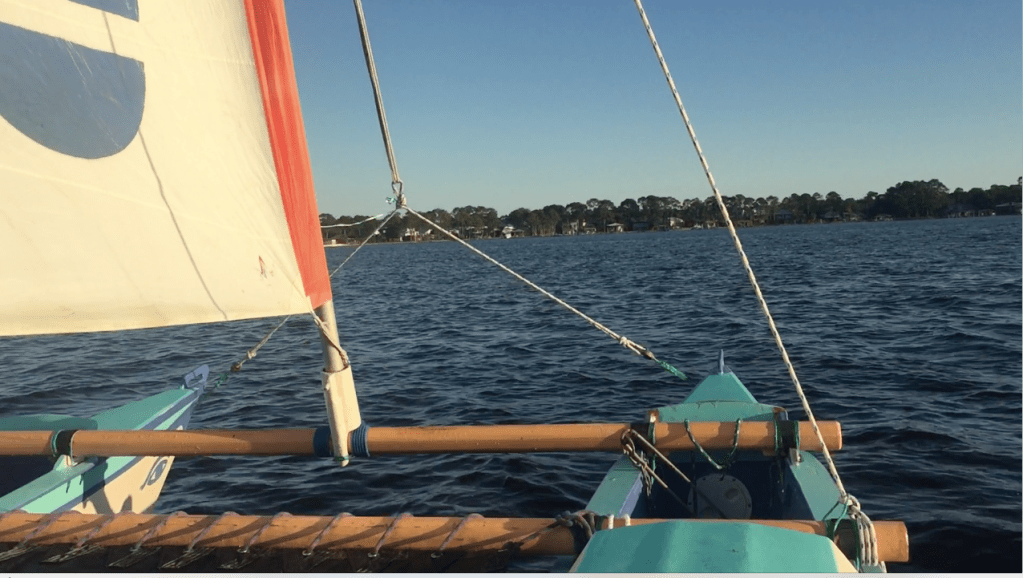
I wake up on my Wharram catamaran, Curious, and immediately think about coffee. That little morning ritual dream has returned, and with it comes more: ideas about writing, about what direction to take my life, about income streams I haven’t yet built but can at least imagine. The dreams are modest, sometimes fleeting, but they are mine, and they are alive.

It’s Starting to Look Good

For now, my certainty doesn’t extend much farther than the simple rhythm of living: coffee, the rocking of the boat, watching the sky change its moods, writing down my thoughts. But I’ve learned that even small dreams are victories. They prove I’m moving forward, however slowly.

The Lesson of Dreaming

If there’s one truth I’ve carried throughout of all this, it’s that dreaming is not optional. It isn’t some luxury for the optimistic or the privileged—it is essential. Without dreams, we don’t move. We don’t grow. We stagnate, running in place, alive but not truly living.

Dreams are what carry us from despair to hope, from stillness to action. They start small: the smell of coffee, the sound of a river or pounding surf, the idea that tomorrow might be worth something. From there, they grow. And with time, if we nurture them, they can rebuild a life.

Working on Dreams

I’m still learning how to turn my dreams into reality again—how to create an income, how to carve out a future that’s more than merely survival. But for now, I take comfort in this: each morning, I dream of coffee, and from there, the world opens up.

Because dreaming, I’ve come to understand, is not just about wanting something that isn’t here yet. It’s about believing there’s still a path ahead—and having the courage to walk it.

Categories: Journey Skills | Leave a comment

7 Good Reasons for Living on a Small Boat

For many, the idea of living on a small boat creates a sense of romantic freedom —get yourself untethered from the grind of a “normal” life and the confines of traditional housing.

Living in a dream

It’s about wind in your hair, living on the water, waking to a different backyard, and chasing that horizon. Beyond the idyllic daydreams however, there are real, practical, and even transformative reasons why people choose to live afloat, especially on small boats.

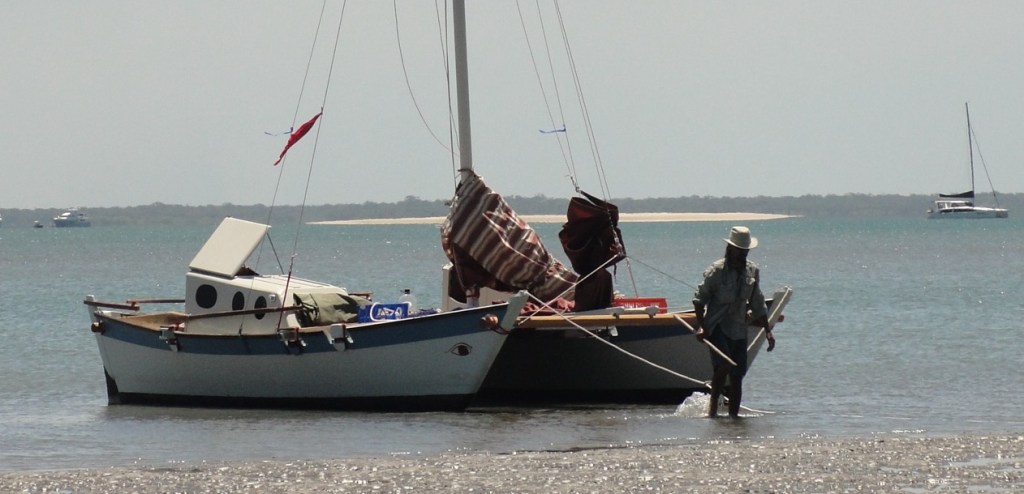
Now of course, ‘small boat’ is a relative term. I’m referencing boats in the 30’ – 45’ range. Huge to some people, barely adequate for others. For me this is a size range within which I can live comfortably, especially as it’s a Wharram catamaran. Big open decks, and with few concessions, they’re very simple. My main berth, in the Starboard hull where I sleep, is somewhere between a double and queen size bed. The main cooking galley in the Port hull is a reasonably sized “U” shape with a small 12 volt freezer and a two burner camping stove. The rest is for storage and workshop type areas. Upstairs on deck it’s all open, kind of like living on a big back porch.

This lifestyle isn’t just for the classic salty old sailors or globe-trotting adventurers. It’s a growing movement amongst people seeking simplicity, adventure, and a more intentional way of living. Whether anchored in a quiet coastal bayou or island-hopping through tropical waters, the live-aboard life has a rhythm all its own. Let’s dive into what I think are seven compelling reasons why life on a small boat might be the best decision you could ever make.

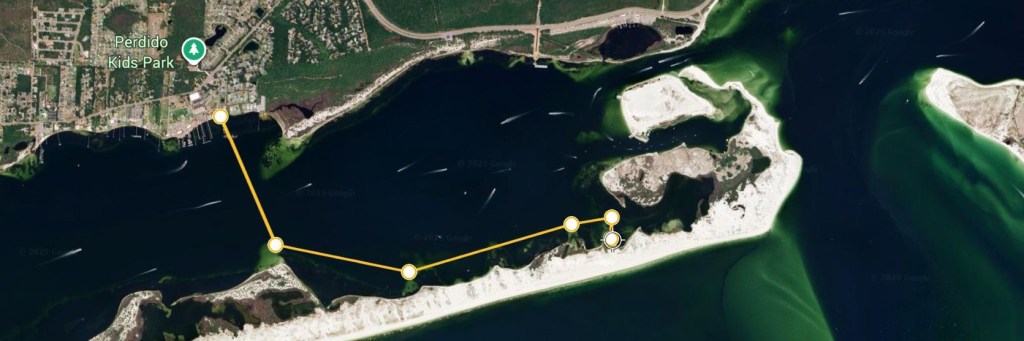
The number one reason many people choose to live on a small boat is simple: freedom. When your home floats and moves, the whole world becomes your backyard. You’re not tied to a piece of land, a lease agreement, or a neighborhood with a PIA-HOA. If you don’t like your view, your neighbors, or even the weather, you can weigh anchor and move. While I’ve remained in the same basic district for a while now, I often move my anchor around a half dozen or so places, all within a 15 mile radius. Although I must admit to spending more time in one particular bayou than others simply because it’s a hidden gem and almost impossible to see from the open bay areas. Only locals really know it for its protected waters, and most importantly the half dozen houses at one end are mostly holiday investment properties so they’re occupied infrequently, barely at all through winter.

1.

Freedom of Movement

Enjoying the Breeze

The mobility offered by a boat provides a unique sense of empowerment. Want to explore hidden coves, waterfront towns, or tropical islands? No problem. Your home goes with you.

It seems most head to a particular destination to drop anchor, or beach up for the day. I love being miles from any shoreline and simply stopping, drop the sails and just let the boat drift for a couple of hours. I don’t think people do this often enough, fishermen probably do, but not so much everyone else.

You can wake up in one place and, with the right wind and tide, or with engine power, fall asleep in another. It’s not just travel — it’s travel on your own terms. Freedom of movement also means you’re in control of your pace. You can chase adventure or find a sheltered calm watered haven. You can seek others to be in a group with, or just enjoy some solitude. Some boaters enjoy hopping from marina to marina, while others anchor out for weeks in total isolation. The choice is yours to make in accordance with your mood of the day.

There’s also the freedom from mortgages, property taxes, and often, the expectations of mainstream society. Don’t get me wrong you’ll be judged seven ways to Sunday, some will be envious, some will be pissy because your ’doing it’ and they’re not, but most will appreciate seeing someone living the dream as they imagine themselves in your shoes.

Living on a boat lets you define your own version of success, one that values experience and presence over square footage and possessions.

2.

Living Simply and Minimally

A small boat forces you to pare life down to the essentials. Storage is limited and space is tight. You can’t bring everything with you — and that’s exactly the point. Boat life naturally leads you toward minimalism, and in doing so, helps you escape the clutter, the consumerism, and the chaos of modern life. Whenever I head into town to do the necessary shopping, the hustle and bustle of ‘normal’ life seems extreme to me. Impatience and frustration is written on many of the faces I see and I cannot wait to get back back to the boat. There’s probably some pathological issue at play here that I should talk to a professional about, but I’ll leave that to a later date.

Simple Pleasures

At first, the adjustment can feel extreme. Downsizing your life into a 35-foot sailboat or trawler style boat requires serious choices. But it doesn’t take long to realize how little is actually needed. Minimal clothing, tools for maintenance and repair, a basic galley for cooking, and you’re good to go.

A really important feature though, is to make sure you have a hobby or interest to pursue. Whether it’s fishing, writing, or knitting, have something to lose time playing with. It’s very easy to sit and do nothing, and to get used to that. At least it is for me, especially with tablets and phones that can vacuum our intellect via doom scrolling. I have lost hours upon hours with zero outgoing intellectual stimulation. It’s all incoming, algorithmic based gibberish doing nothing for the imagination, we get the cerebral buzz without effort. To me it’s like watching sport, you can feel the passion and intensity, but it does absolutely nothing for your own fitness.

Living this more simple, and exposed lifestyle can provide a certain clarity. With fewer things to clean, store, or organize, your mental load decreases. You spend less time maintaining your stuff and more time living your life, and this is where the hobbies come into play. You can imagine and create, then use or play with whatever that might be…and get satisfaction from it.

It’s also deeply economical. Minimalist living means buying less, consuming less, thereby wasting less. You learn to repair instead of replace, cook your meals instead of dining out, and when you do dine out it feels so much more like a treat. I tend to drink cheap beer when on board, probably more than I should, but then I treat myself to a nicer craft beer when I go ashore. It’s a only small thing, but it does feel significant. I tend to find more joy in the small, quiet moments and infrequent interactions. There’s freedom in owning less — especially when you’re surrounded by everything you need: water, sky, wind, and most importantly time.

3.

Deep Connection with Nature

You don’t just watch sunsets from a balcony any more, you exist within them, feeling the world change around you as the shadows lengthen and colors get deeper and more dramatic. You wake up to the sound of the world waking up, and you fall asleep as world settles in for the night. After the sun has set, a sky full of stars appears, or lightning flashes in distant thunder heads, and you feel how life on the water is intimately tied to the natural world.

Happy Places

You become acutely aware of the moon phases, the tidal movements, and the way the wind shifts before a storm front comes through. Especially if a weather change is expected to come through overnight, it’s nice to be protected from stronger winds and waves by a shoreline when you wake up. Weather isn’t just a small talk topic anymore — it’s a significant factor in every decision you make. You learn to read clouds, track barometric pressure, and respect the moods of the world around you.

This awareness fosters a deep connection to the planet. It’s not uncommon for those who live aboard to speak about developing a new appreciation for natural rhythms and a reverence for the environment. You start using your fresh water more carefully, relying on solar energy, and minimizing waste — partly because you have to, but it also makes sense when you live with nature, not just near it.

And the benefits go beyond the practical. Time spent in nature is restorative to your mind and soul. It can calm your nervous system, sharpen your senses, and reminds you of your place in the larger web of life. On a boat, every day is a front-row seat to the miracles of the natural world.

4.

Lower Cost of Living

One of the biggest myths about boat life is that it’s only for the wealthy. In truth, living on a small boat can be incredibly affordable, especially compared to the skyrocketing costs of rent and homeownership in many parts of the world.

No HOA

Buying a boat outright can cost less than a down payment on a home. And once you own your boat, your overhead drops significantly. You don’t have property taxes or HOA fees, or rent. Marina fees are generally much cheaper than rent and if you’re anchored out, your housing costs might be zero.

Utility bills also shrink. Solar panels and batteries power lights and electronics. I don’t have a mains power hookup on Curious, if I need to use power tools I crank up the small generator, everything else is 12 volts.

Water use is minimal, and I try to harvest rain whenever possible. I carry 40 gallons in 8 Cornelius Kegs, and 20 gallons in 5 gallon buckets. I use Co2 to pressurize a keg for the water supply and a wonderful extra is that I shower off each night with sparkling carbonated water, and yes it does feel very groovy.

Heating and cooling are usually natural — plus you can often move with the seasons if you want to. The cabin is quite small so a camp style buddy heater, and 12 volt fans do the trick if it gets too much.

Of course, there are costs. Maintenance, insurance, and fuel costs aren’t negligible and if you own a car on shore you need to store and service that. But boats reward the handy and the resourceful. Many live-a-boards learn to do their own repairs and upkeep, saving thousands over time.

Most importantly, boat life shifts your spending priorities. You stop buying extraneous stuff and start buying time — time to explore, relax, create, or simply live more intentionally. That’s real value.

5.

Learning and Self-Reliance

Living on a small boat can be a crash course in self-reliance. Boats are their own ecosystem — floating machines that require constant care, attention, and understanding. You don’t need to be a master sailor or engineer to start, but you’ll become your own plumber, electrician, mechanic, and navigator. You’ll be amazed at what you actually can do. Especially in today’s world with “YouTube university” there’s not much that can’t be learned.

There’s something empowering about fixing your own engine, rigging and repairing your own sails, or troubleshooting a misbehaving ‘thing’ in the middle of nowhere. It’s hands-on living. Challenges become opportunities to learn, and every repair adds to your confidence.

This self-reliance extends beyond physical tasks. Emotionally and mentally, boat life requires independence. You may go days without seeing another person. You may face fear, boredom, or loneliness. But in confronting these feelings, you grow stronger, braver, and more grounded.

You also learn to adapt. When the weather shifts, when the tide turns, when plans unexpectedly change — you pivot. Like the saying goes… “You can’t control the wind, but you can adjust your sails.” Flexibility becomes second nature. You start expecting the unexpected and build resilience.

In the end, boat life teaches that you are capable — far more than you probably believed. And that belief translates into every other part of your life. There’s nothing so reassuring than believing that no matter what happens, you can deal with it.

Not Terrible

6.

A Simpler, Slower Pace of Life

In our fast-paced, always-connected world, boat life slows you down — take that as a gift. Tasks that are automated or instant on land take time on a boat. You make coffee more slowly, then sit and enjoy it while watching the world. You plan your daily movements based on wind, tide, and daylight.

This slower pace can feel frustrating at first, but eventually, it becomes sacred. You stop multitasking. You stop rushing. You start living.

Slow Down a Little

Simple routines like checking the anchor line, watching the weather, or rowing ashore become small rituals. Cooking becomes an act of mindfulness. Even provisioning turns into an adventure, sometimes a frustrating one but an adventure nonetheless.

Boat life also rewires your relationship with time. You’re no longer living by the 9-to-5 schedule. Mornings start with the sun, evenings end with the stars. You eat when you’re hungry, sleep when you’re tired, and let nature set the rhythm. I rarely sleep through an entire night. I generally get up at least two times a night to check on things and look around, but this is offset by downtime periods throughout the day.

Slowing down doesn’t mean doing less — it means ‘doing’ more deliberately. You become more present in your daily life. More connected to your surroundings. More in tune with yourself.

In a culture that values speed, boat life offers something radical: stillness.

7.

Daily Adventure and Discovery

Perhaps the most exciting reason to live on a small boat is this: every day can be an adventure. Even the most ordinary moments can become extraordinary when your life is afloat.

Need groceries? That might mean rowing a dinghy ashore and walking to a local market place…a couple of miles away. Doing laundry could involve chatting with fellow boaters in a marina miles from your last port. Even something as simple as making a meal is a little more engaging when waves are rocking the boat.

A very small boat, but it can be done

But the real magic comes from the unknown. One morning you might wake up to dolphins swimming around your boat chasing fish sheltering under your hulls. Another you might discover a secret beach, a vibrant local market, or deal with a surprise storm that tests your preparedness and nerve.

This sense of discovery can be addictive. You’re constantly learning about new places, new skills, new people, and new parts of yourself. You become more curious, more courageous, and more creative.

Adventure doesn’t mean chaos or danger. It means being alive. It means having stories to tell. And when your home is a boat, those stories write themselves — in waves, wind, and wonder. It’s mostly only others living this way that can truly understand the magic, but those stories can stoke the fire of dreaming in anyone.

Conclusion: A Floating Life of Meaning

Living on a small boat is not for everyone. It can be challenging, messy, and sometimes really uncomfortable. It requires courage, patience, and a willingness to embrace change. But for those who choose this life, the rewards are deep and lasting.

Freedom, simplicity, nature, affordability, self-reliance, stillness, and adventure — these seven reasons form the foundation of a lifestyle that can be deeply meaningful. On the water, life becomes both smaller and larger. Smaller in square footage, but larger in richness, depth, and presence.

A small boat doesn’t just float, it carries dreams, stories, and the kind of life that many seek but very few find on land. If your heart stirs at the thought of wind in the rigging or sunsets across the water, maybe it’s time to consider life afloat.

Because sometimes, the best way to live large… is to live small.

Categories: Journey Skills | Leave a comment

Website Powered by WordPress.com.