Posts Tagged With: Do what you love

Writing from a Hammock on a Catamaran

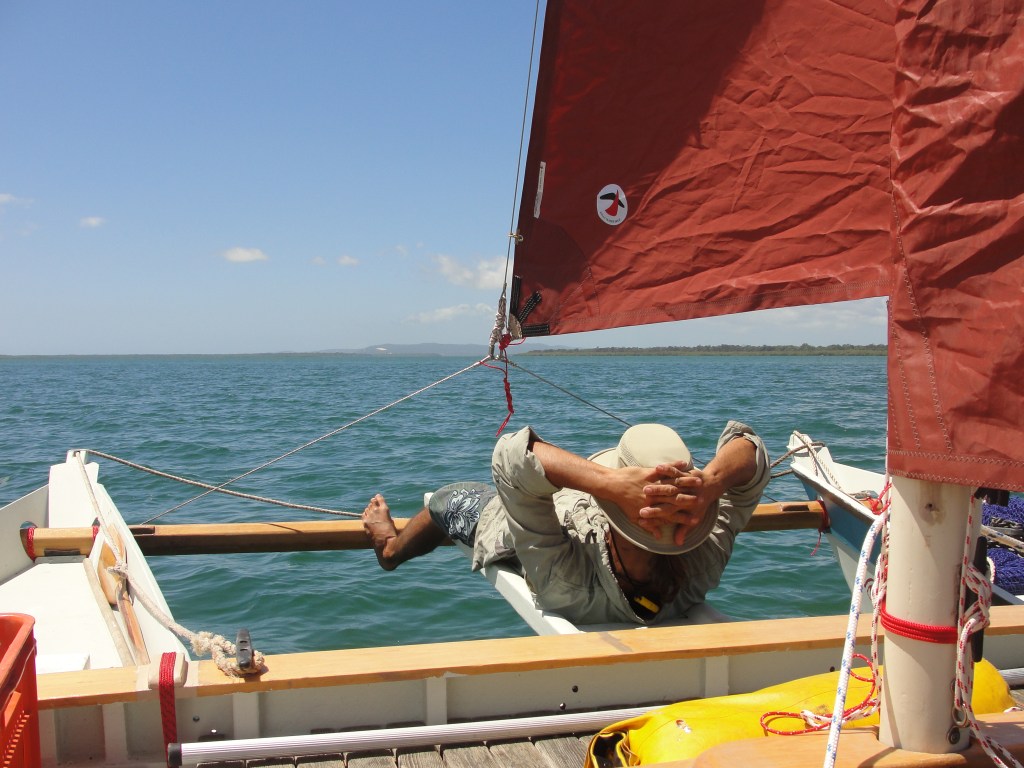
There’s a certain kind of magic in writing from a hammock strung between the masts of a small sailing catamaran. The gentle movement of the water, the whisper of the wind in the rigging, the occasional splash of a curious fish — they all conspire to create an atmosphere that’s equal parts peace and possibility.

For many, the idea of crafting stories or articles from a tranquil anchorage, laptop balanced on their lap and seabirds circling overhead, sounds like a far-off dream. But for those traveling long-term on a boat, it can be a regular part of life.
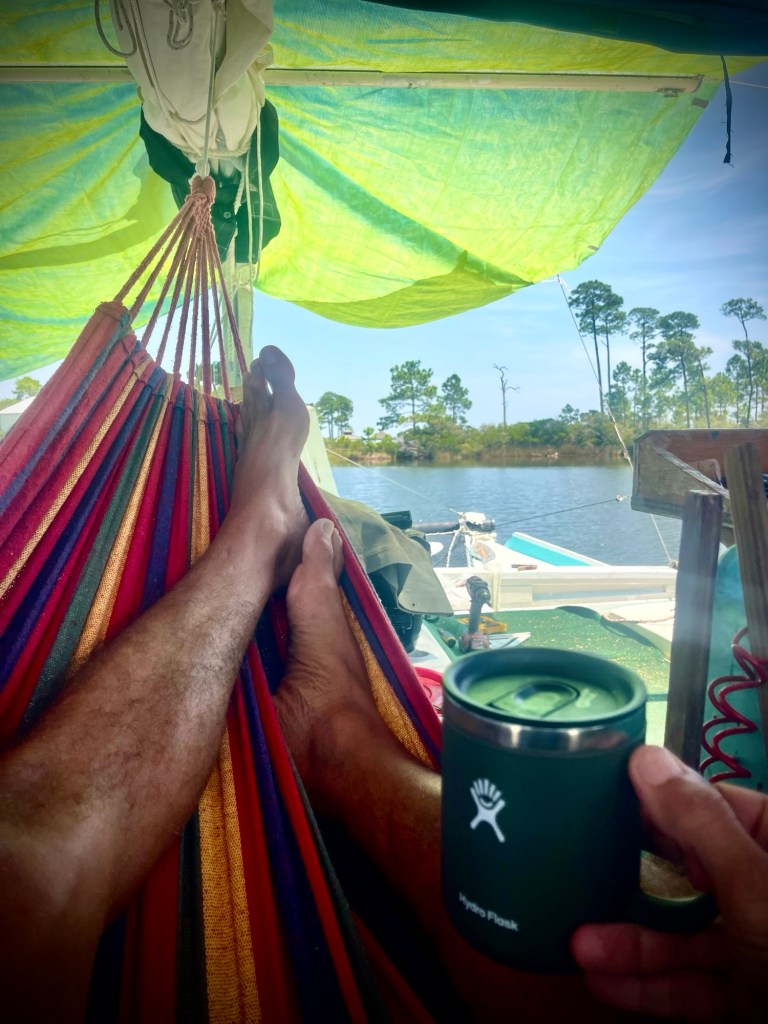
Hot Weather~Cold Drink

This is not a romanticized fantasy. It’s a real, tangible lifestyle — always challenging, often rewarding, but constantly inspiring. Here’s what it’s like to write articles from a hammock, and why more writers, digital nomads, and creators are chasing this fluid way of life.

The Setting: A Floating Writing Retreat

Imagine a quiet bay, fringed with mangroves or lined with rugged cliffs. The catamaran is gently tugging at her anchor chain, facing into the breeze. You’re lying in a hammock, strung under the shade of the mainsail boom or in the netting stretched between the bows. The soundscape is soothing — lapping waves, the distant call of gulls, the occasional creak of the anchor bridle.

This is your office.

Instead of traffic or an office copier humming in the background, you have dolphins chasing food nearby or the rumble of a dinghy heading off for provisions. The distractions are different, and often more beautiful, but the work remains the same: throw down many words, re-read, chop out and replace, read again, chop, replace, and again, and again.

It does take time

The Tools of the Trade (Afloat)

To make this lifestyle work, a few essentials are non-negotiable:

A reliable laptop or tablet.

Solar power, which is gold on a boat. A solid setup with solar panels, charge controllers, and a reliable battery bank means you can keep your gear charged when anchored off-grid full time.

Internet connectivity is critical for research, publishing. Many use mobile hotspots with local SIM cards, Starlink satellite internet, or long-range Wi-Fi antennas to stay connected.

A notebook or journal for those messy brainstorming sessions.

Comfortable seating, including the hammock. On my catamaran, options abound: cockpit cushions, netting between the bows, or feet dangling in the water from the rear swim deck.

With these tools, you can write just about anywhere — at sea, at anchor, or pulled up on a delightfully deserted beach.
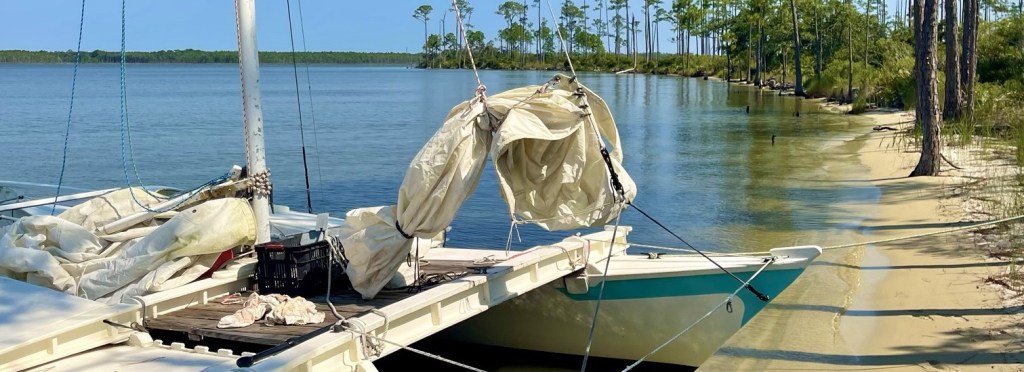
Yep, As Lovely As It Looks

Inspiration in Every Direction

Writing from a boat opens your mind in ways not available on land. Living close to the elements sharpens your awareness. You’re tuned in to the rhythms of the weather, the phases of the moon, and the shifts in tide and wind that can change your day.

This awareness seeps into your writing. Even if the articles are not just about sailing or travel, the clarity of thought and reduction in stress can dramatically improve your productivity and creativity.

That said, the stories that unfold around you are often too good not to write about. Maybe it’s the 3 a.m.- 50 knot squall, combined with having dropped the anchor on an old crab pot, and being blown into the beach… and being stuck there for three days. Yep, that did happen.
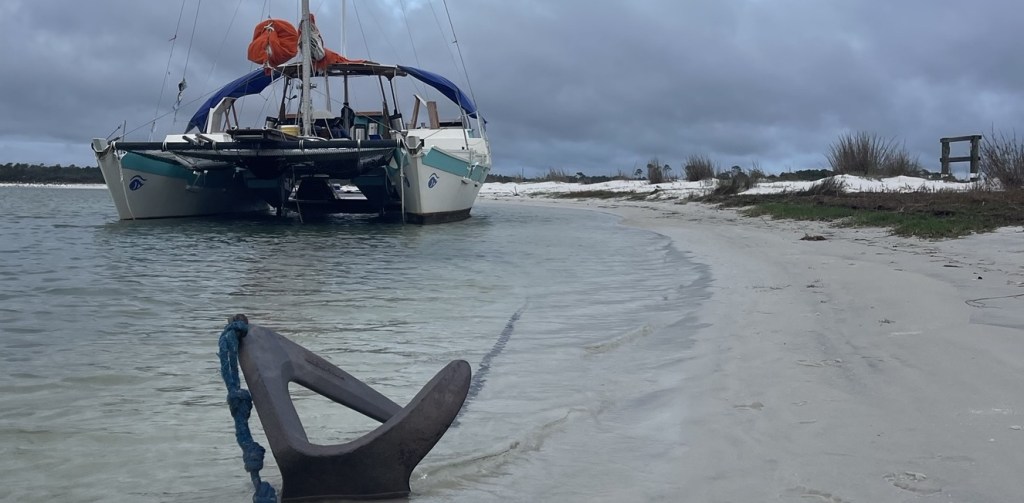
Big Storm + Crab Trap = Beach Days

These stories become metaphors, anecdotes, and color in the work. Hopefully they help my writing be richer, deeper, with a unique perspective.

The Challenges: It’s Not Always Margaritas and Manuscripts

To be real: writing from a hammock on my catamaran is not always idyllic. Some days, it’s plain uncomfortable.

Heat and humidity can make concentration difficult, there’s no air conditioning, especially if there’s no breeze in a hot anchorage. Heat becomes oppressive, your brain fogs up, and your skin feels on fire. Deep cold can have the same effect.

Motion can be distracting. Even at anchor, strange swells can rock the boat unexpectedly. It might feel dreamy to sway in a hammock, but a harmonic can set up, wildly slinging you side to side. Within two swings I’ve been violently thrown side to side with arms and legs flailing like an epileptic spider.

Internet loss can delay deadlines. Although to be fair, it’s usually because I couldn’t be arsed to do the work on time.
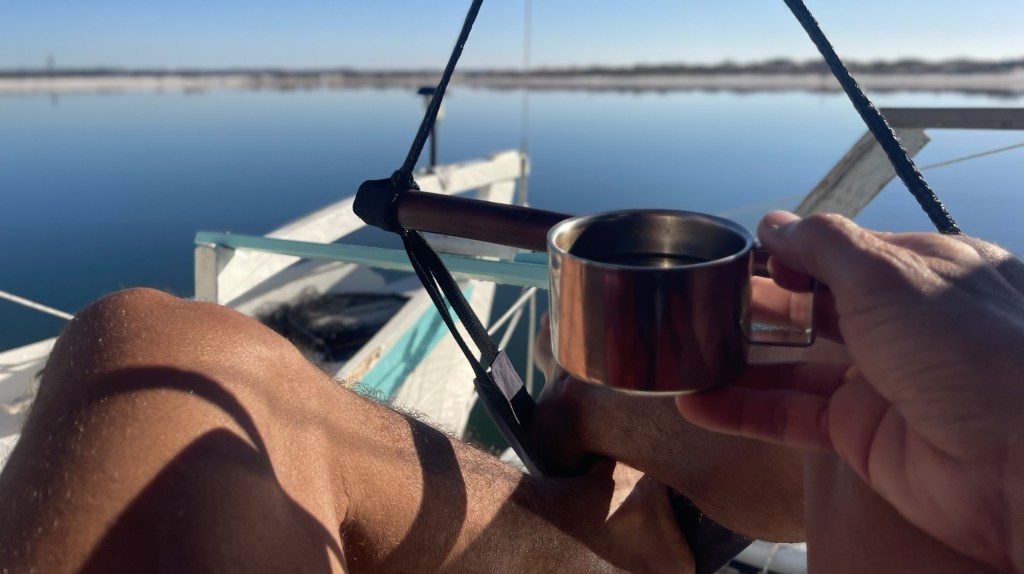
Honestly, Couldn’t Be Arsed

You don’t have a desk, or consistent workspace. You learn to be flexible, literally — shifting between cross-legged on an engine box, leaning against a bulkhead, or sitting on sand…and, let’s not forget, the hammock.

Noise is different but it is ever-present. Wind through the rigging can get old quickly. Water slapping against the hull or the dinghy can feel rhythmic or irritating depending on your mood. Rain, or neighbors in nearby boats cranking up their version of ‘music’ can disrupt your train of thought.

But despite these drawbacks, the benefits far outweigh the inconveniences.

Routine and Rhythm: Writing in Sync with the Sea

Living on a boat means living by rhythms: tides, weather, sunrise and sunset. Writing fits into these patterns surprisingly well.
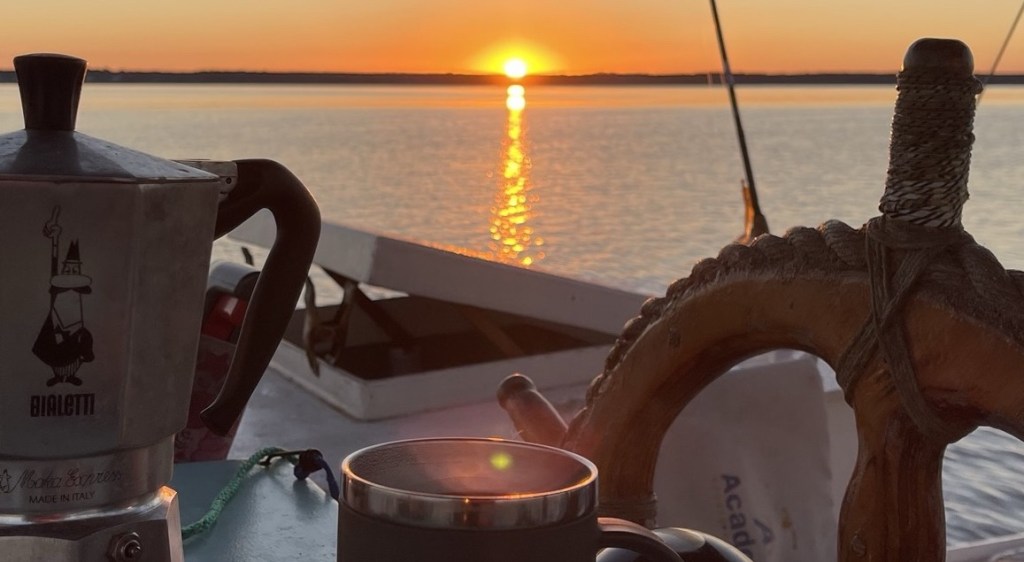
A Nice Way To Wake Up

Early morning for me is the golden time to write. The boat is quiet, the world is slowly awakening, and the growing light is gentle. With a pot of coffee and a fresh breeze, maybe some Enigma from the speakers, ideas and thoughts flow freely. It’s a sacred time before the day begins. Dreams from the night before are still fresh, and dreams of the future feel more attainable.

Midday, especially in the hotter climates, are for siestas or swimming, and sometimes boat work. Occasionally writing resumes in the late afternoon or just before sunset. More often though, it’s a cool drink and just watch the world as it happens.

The Freedom Factor

There’s no boss looking over your shoulder. No traffic jam on the way to an office. No beige cubicle walls. You answer to the wind, the weather, and your own motivation. Which in my case can be seriously lacking at times. I’ve always been the kid staring out the window with a chalkboard duster flying my direction.

Writing on a boat demands discipline, but it gives back an incredible sense of freedom. You might spend a week anchored near a town, writing at a table in a local bar, and the another in a remote little bay, swinging in the hammock as you polish the latest jumble of thoughts on the page.
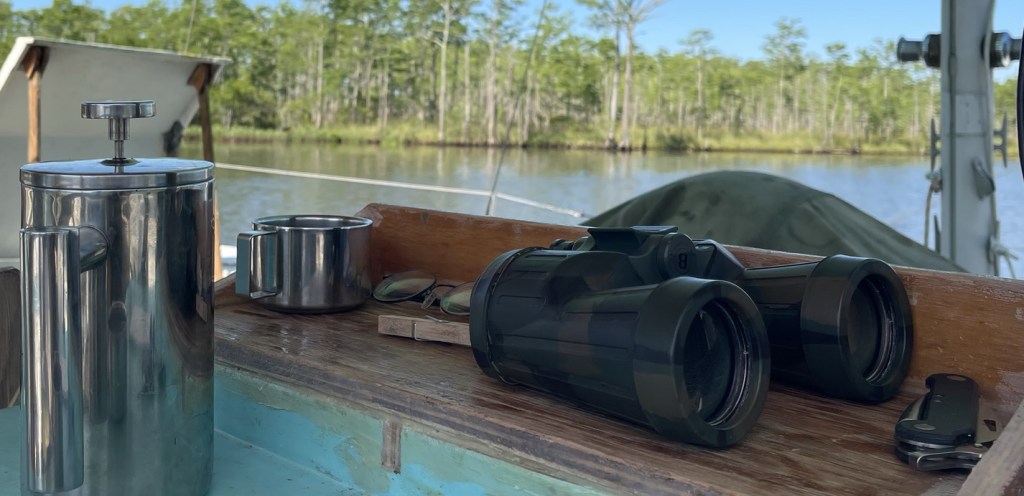
You don’t have to wait for a writing retreat. You’re already living one.

Monetizing the Lifestyle

To support this life, many writers diversify their income streams. Here are a few common ways writers afloat stay afloat financially (I look forward to being one of them!):

Freelance writing for blogs, magazines, and online publications

Content marketing for companies that allow remote work

Writing and self-publishing books, particularly about sailing, travel, or digital nomad life

Running a blog or YouTube channel, monetized via ads, sponsorships, or Patreon

Offering editorial services, like proofreading, editing, or ghostwriting

Apparently the key is to maintain consistency — in delivering work, and managing expectations. Some may never appreciate you’re working from a hammock on a catamaran — and that’s fine. Others may find it fascinating and want to hear more…I like them.

Connection, Solitude, and Stories

Writing on a boat gives you solitude — the kind that fuels introspection and creativity. But it also gives you connection: with nature, with other sailors and people you meet along the way.
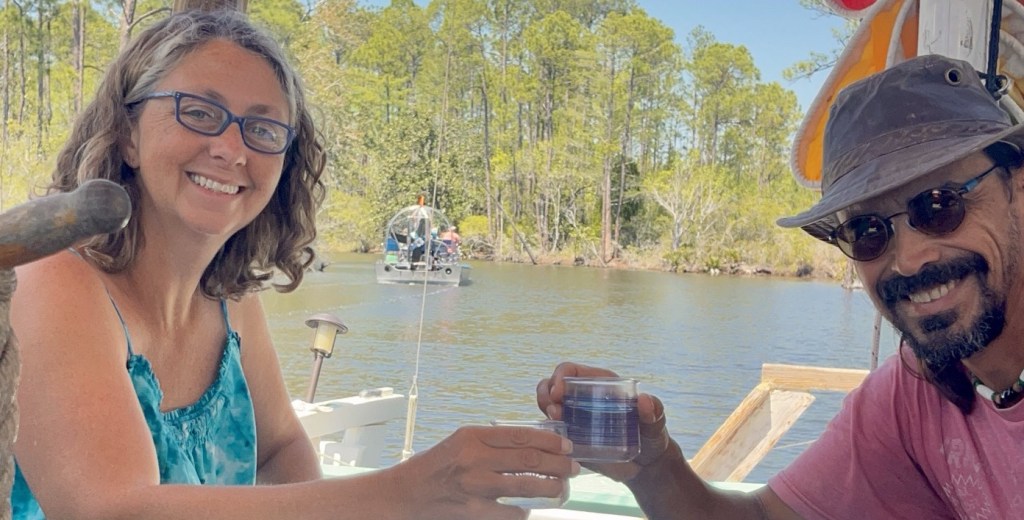
Good Times

And all good stories are born through connection.

Tales are shared over sundowners in the cockpit. Experiences and ideas are traded with fellow cruisers. You get invited into local communities where your outsider eyes notice things others take for granted. All of these moments become fuel for articles, whether you’re creating a narrative essay, cultural commentary, or instructional outlines.

Final Thoughts: The Floating Writer’s Dream

I guess there’s no one-size-fits-all way to live and write from a boat. Some writers are full-time cruisers who work between passages. Others split their time between land and sea. Some are novelists, others are bloggers or journalists. But what they all share is the ability to adapt — to embrace change, learn to appreciate discomfort, and create even when the world beneath them constantly moves.

Writing articles from a hammock on a boat, or on the sand of a beach, it isn’t about luxury. It’s about choice. It’s about choosing a slow pace over speed, balancing presence with productivity, and story over schedule.
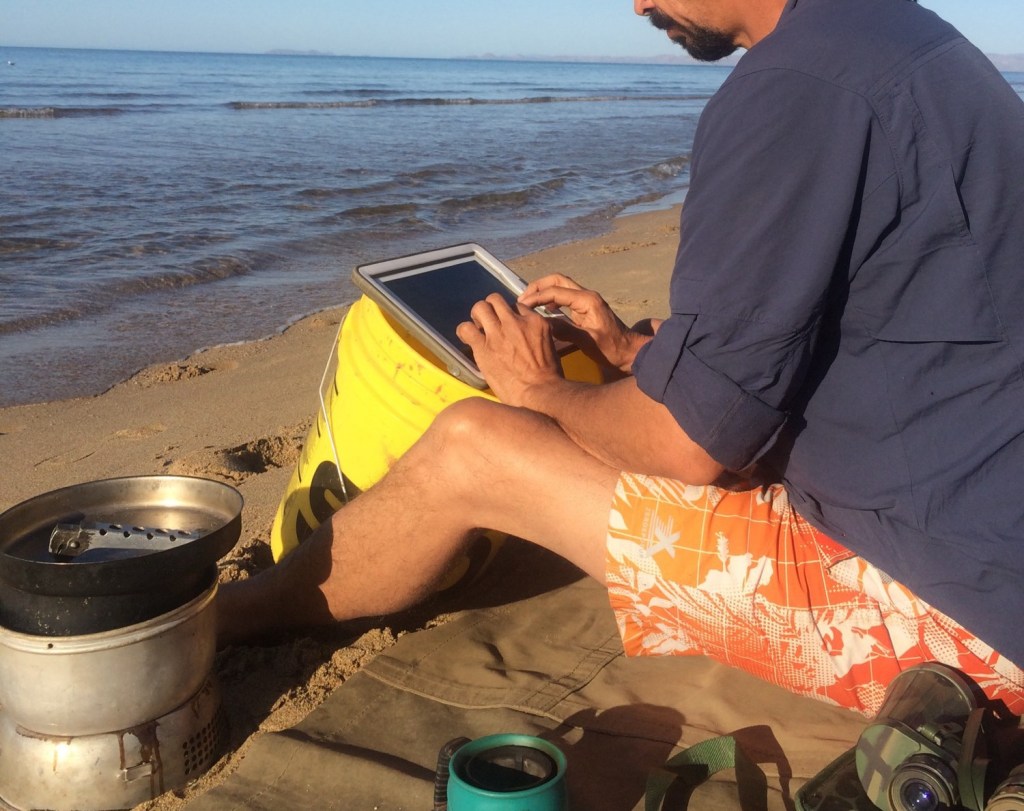
Yep

And when the sun sets over a glassy anchorage, the stars come out, and your latest article is saved and submitted, you can know one thing for certain: no cubicle in the world can compete with this.


Categories: Journey Skills | Tags: , , , , , , | Leave a comment

Ordinary People Today Enjoy More Luxury Than Royalty 100 Years Ago

If you think life today is tough, pull your head in.

Throughout our recorded history, up until less than just a century ago, even the very people that controlled our world, the most wealthy, prominent, and influential didn’t have air conditioning, they did not have antibiotics, for crying out loud they did not even have Netflix.

Our modern world provides us with comforts that make everyday people of now far richer than any royalty of the past.

The Hidden Royalty of Modern Life

A hundred years ago, luxury meant something entirely different. Kings, queens, and industrial tycoons, they may have lived in palatial accommodation, but they still battled heat, disease, and discomfort. And now, in most of our first and second world countries, very few live in fear of these concepts.

Instant Access

You and I? We actually live better than many monarchs of 1925. We have clean water on tap, shit gets piped straight out of our homes, entertainment can be instantly provided on a device not much bigger than a deck of cards.

We have global communication, and medical miracles. I casually chat with family and friends on the other side of the planet, instantly! Both my wife and I, over the last bunch of years, have had serious accidents that, until not too long ago, would have been 100% fatal, but we’re still here.

It’s All Relatively New

Kings couldn’t buy what we enjoy on a daily basis. Yet most of us don’t feel royal at all, rarely do we even acknowledge our good fortune of being born into this day and age.

Let’s take a look at just how extraordinary our “ordinary” lives really are.

1.

We Command the Seasons: Climate Control for All

At the start of the 1900’s, nobody could escape summer heat or winter chills. Yes there were fireplaces and open windows, and with a bit of coin you have servants to tend these things, but you could not have air conditioning. Today, adjust the thermostat and nearly every home can live in a perfect temperature.

Someone’s Gotta Do It

No more shivering in the cold or sweating through the night. You press a button, and the weather is modified to your desire.

2.

Feasts on Demand: A Global Kitchen at Your Fingertips

Royal chefs once struggled to create feasts with exotic foods. Many fruits were considered treasures; strawberries in winter were unthinkable, bananas in North America? Nope! Our local markets now have tropical fruits, international spices, and ready-made meals from every cuisine.

Too Good

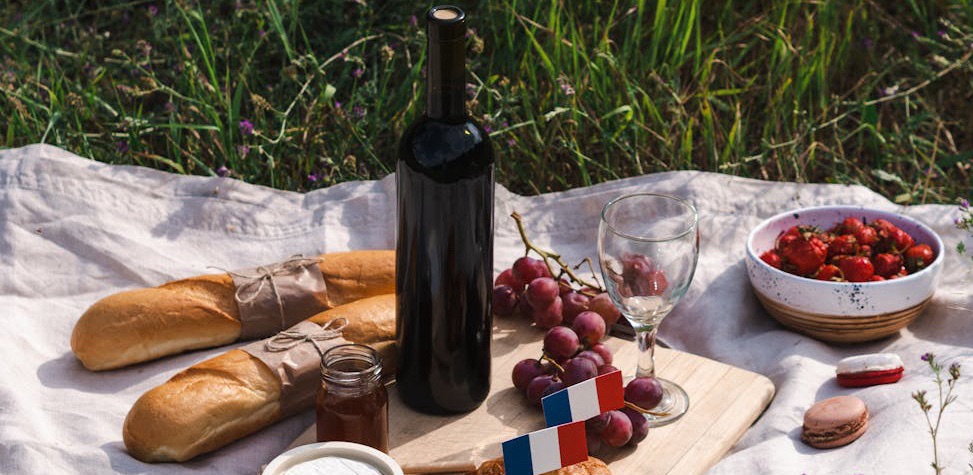
These days, if you want, in most cities you can have snags (sausages) and bumnuts (eggs) for breakfast, sushi for lunch, French for dinner, and a Thai dessert—and have it all delivered to your door. Your local grocery store is more abundant and lavish than a royal banquet pantry ever was.

Fancy

3.

Cleanliness Fit for a King: Hygiene and Plumbing

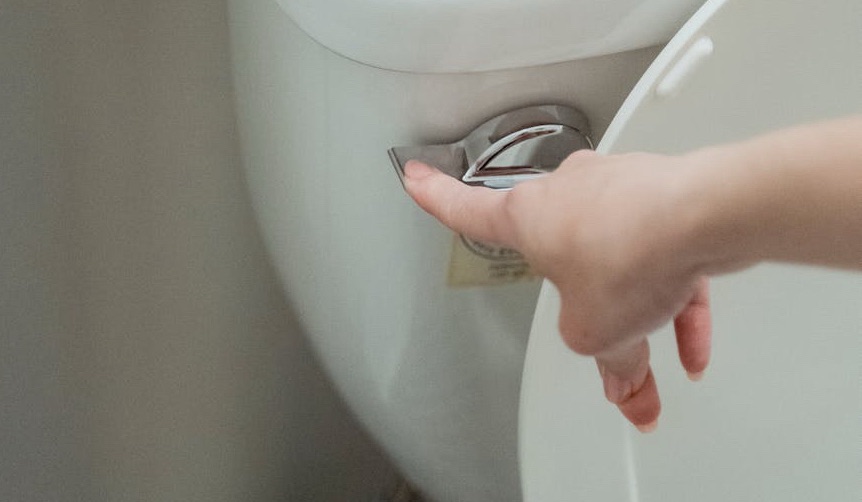
A century ago, indoor plumbing was a luxury. Many homes used outhouses and hot water for a shower was rare. Now, hot and cold water is at our fingertips. Bathrooms reek of lavender and roses, flushing toilets remove our nasty byproducts, and scented soaps and shampoos allow us to believe we don’t really stink.

A Flick And It’s Gone

Add electric toothbrushes, deodorant, and clean towels, and even our cheapest apartments rival the royal bathhouses of recent history.

4.

Miracle Medicine: Health Beyond Imagination

In the early 1900’s, antibiotics as we now know them did not exist. Common infections from a cut could kill you, childbirth was a dangerous activity, and many diseases had no cure.

Kings may have had private doctors, but not modern science.

A Modern Benefit

Today, vaccines, antibiotics, anesthesia, and advanced surgery are standard. We live longer, healthier, and with far less pain than anyone a century ago could imagine.

5.

Transportation Triumphs: Royal Carriages for the Masses

Again, in the early 1900’s, our now vanguard, luxury vehicle was a noisy, unreliable machine made by Rolls Royce. Today’s cheapest cars now have climate control, airbags, GPS, and a very smooth ride.

Old School

And how about flying? What was once reserved for the ultra-rich, is now enjoyed by millions who cross oceans yearly, watching movies and sipping coffee midair.

6.

Mastering Light

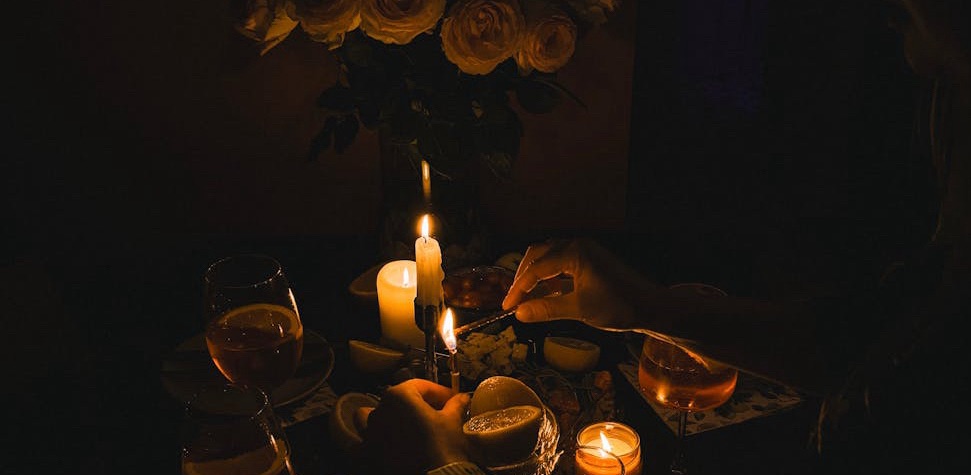
Before widespread electricity, people lived by the sun, using candles, and oil lamps to light up a room.

Now, entire cities, homes, and screens light up at the touch of a switch. Nighttime darkness no longer rules our lives, and I honestly think we suffer because of it.

Not All Bad

7.

The Internet: A Library Greater Than Kings Ever Owned

Once upon a time, only the very wealthy could amass knowledge through creating libraries full of books. We now collect browser tabs. In our pockets, we now hold the entire sum of recorded human knowledge—encyclopedias, tutorials, languages, art, and news.

Information once held only by scholars, artisans, and masters of crafts can now be found in seconds. “How do I make a mitre joint? Roast a chicken? Tune my Maserati?”

Not The Same As The Internet

We are all librarians now, ruling over information empires and unfortunately, we don’t actually need to retain any knowledge.

It’s all there at the touch of a button.

8.

Endless Entertainment: Streaming for the Sovereign

Only the wealthy elite had live musicians and private theaters. Today, you can stream an orchestra through an astoundingly good sound system, watch a blockbuster film, or a global sporting event in seconds, all in the comfort of your own home.

Most of us now hold in our hands, more art, music, storytelling and information, than the greatest of palace vaults.

9.

Instant Communication: The Power to Speak Across the Globe

It wasn’t long ago that a written note took days or weeks to arrive on a door step. Now, we text, video chat, and translate foreign languages around the globe in an instant.

Emperors, kings, and military leaders didn’t have the reach we now have as a mere civilian. Every one of us now has a voice across the world.

Almost Anywhere Anytime

We may choose to watch funny cat videos and porn instead, but we could do great things if we wanted to.

10.

Democratized Luxury: The New Definition of Wealth

Once, luxury meant exclusivity only available to the more wealthy of the world. Now, comfort is quite common. Air conditioning, refrigeration, smartphones, and reliable cars are accessible to billions.

I don’t think true wealth is now about possessions—it’s about awareness. Not many in this day and age are unaware of the wars and struggles around various parts of the world. These things may not affect us directly, but having that knowledge can help us appreciate just how good our life truly is.

11.

Gratitude Lost: Why We Forget We’re Royalty

Ironically, it seems that the more we have, the less we notice. We can now complain about Wi-Fi speeds and lukewarm coffee, forgetting that just a century ago, one didn’t exist, and the other was completely our own fault.

A Modern Office

I think that now true royalty comes not from owning more—but from appreciating that which we have. We may not be royal by decree, but we certainly live within the benefits of a royal existence.

12.

A Modern Monarch’s Day

Our average day would be inconceivable to a 1925 king:

You wake in climate-controlled comfort.

Brew coffee from beans grown oceans away.

Softly commute in a climate-sealed carriage, with music.

Eat meals from global cuisines.

Communicate worldwide instantly.

Watch movies, learn skills, or summon food by tapping glass.

We live a life of abundance and control that royalty could only have ever dreamed of.

13.

The Future Will Look Back on Us

Imagine another hundred years from now, people may very well pity us for our traffic (we used roads and cars that stay on the ground), our “primitive” technology (no idea what that’ll be, but it’s bound to be different) and may wonder, “How did they cope with such hardship in the olden days?”

The Future?

Progress never stops, but real wealth is timeless: appreciation, curiosity, and gratitude.

14.

Conclusion: King of the Everyday

We live in an age of comfort. Clean water, hot showers, medicine, light, endless entertainment, all of which are gifts of progress and science.

To live the way we do today is to live royally. The only thing really missing, I think, is awareness.

Not A bad Time To Live

So the next time you adjust the thermostat, or stream a film in your house, or enjoy a coffee or cold beer without concern of bloodshed and mayhem, pause and smile.

You’re not just ‘living’—you’re living better than most of histories royalty.

Categories: Journey Skills | Tags: , , | Leave a comment

The Art of Just Living

There’s an odd thing about life that nobody ever tells you straight. You’re taught how to make a living, but not how to actually live.

At school we’re driven to learn about fractions, state capitals, and the proper spelling of “Mississippi,” but not one teacher will ever sit you down and say, “Listen,—life is mostly about learning to sit with yourself without wanting to throw a chair through the window.” Which is, when you think about it, a much more practical lesson.

Simple

We are so preoccupied with achievement, acquisition, and arranging our calendars into neat little blocks of self-importance that we forget there is an art form more subtle than piano, more challenging than oil painting, and more elusive than tightrope walking: the art of just living. Not living well in the way glossy magazines mean—perfect kitchens, toned arms, weekend yoga retreats—but simply living. Being here. Existing without apology, without fanfare, without the endless business of improvement.

It’s a skill that takes decades to master, and even then, you’ll slip. Sometimes you’ll catch yourself trying to turn your morning coffee into a productivity hack (“Bulletproof coffee, guaranteed to make you twice as unbearable at meetings!”). Other times, you’ll fall for the siren call of self-optimization, as if downloading another meditation app will help you breathe better than the lungs you were born with. And yet, every now and then, you stumble into a quiet moment of unpolished living—watching the cat stretch in the sun, stirring sugar into tea, or standing barefoot on a patch of cool grass—and you realize: Ahh, this is it. This is the thing.

It Just Feels Good

Chapter One: The Trouble with Living

The trouble with living is that most of us treat it like a career path. You’re meant to “make something of yourself,” which is an alarming phrase if you pause to think about it. What, exactly, are you right now—nothing? A lump of clay? A misplaced sock? The idea of “make something of yourself” suggests that existing, just as you are, is a bit of a half-baked effort, like bread pulled from the oven too soon.

So we go about patching ourselves up with goals, titles, and possessions. Some people collect degrees, others collect children, and still others collect pairs of running shoes that may never touch a pavement. We look for evidence of a life well-lived in external trophies. Yet none of it really proves much of anything. I’ve met three-story houses who are emptier than a local swimming pool in Winter. I’ve met fishermen, with weathered hands and sunburnt noses, who are wealthier in contentment than a banker with a retirement account that could fund a small island.

Basic Simplicity

And here’s where the humor creeps in. Because if you take the human race at face value, we’re a fairly ridiculous species. We invent devices to save time and then use that saved time to invent more devices. We now install apps on our phones to track our steps and then spend hours sitting down scrolling through how many steps we haven’t taken. We rush through meals so we can rush through work so we can rush home and “relax,” only to find ourselves too wired to actually enjoy it.

If an alien anthropologist were to study us, I imagine its report would read something like:

“Our subject species spend 80 years attempting to figure out how to enjoy 80 years. Success rate: questionable.”

Chapter Two: The Gentle Rebellion of Slowing Down

If there’s any real art to just living, it begins with slowing down. And slowing down is its own kind of rebellion. It is the refusal to be hurried into existence, the audacity to say: I will not live my life as though I’m late for a train that never arrives.

Take mornings, for instance. Most people greet the day as though it’s an opponent in the boxing ring. Alarm goes off, adrenaline spikes, and suddenly you’re punching your way through showers, coffee, emails, and traffic. But mornings are not meant for fighting. They’re meant for stretching, yawning, shuffling about in slippers, and standing aimlessly in the kitchen wondering if bread counts as breakfast (it does).

When you slow down, life reveals its details. You can enjoy the warmth of the coffee mug in your hand. Taste, and appreciate, the difference between good butter and nasty, cheap butter. You realize that the neighbor’s dog barks at the mailman every morning at precisely 9:17, as though the dog has been hired by the Post Office as a form of occupational hazard. These little details are where living actually happens, always rushing can bury this awareness.

And it’s funny isn’t it, that we can pay fortunes to travel the world in search of meaning, yet miss it entirely in our own world? Consider these two scenarios.

# “I once spent an afternoon in Fiji talking to a man who owned nothing but a canoe and a couple of coconuts, and he was one of the most peaceful souls I’d ever met.”

# “I once spent an afternoon in a boardroom listening to executives argue over font size on a PowerPoint slide.”

Which of these afternoons was closer to living than the other.

Chapter Three: The Cult of Busyness

Of course, slowing down isn’t fashionable. If you admit to not being busy, people look at you as though you’ve confessed to stealing their garden gnome. Being busy, and stressed from work is our modern badge of honor. Ask anyone how they’re doing, and most will say something to effect of, “Mate, I’ve been flat out like a lizard drinking!” It’s a humblebrag disguised as suffering.

Just Keep Pushing

We even compete over it. “You’re busy? Well, I’ve been so busy I haven’t had a proper meal since February.” “Oh, that’s nothing. I’ve been so busy I haven’t seen my children since they were babes-in-arms, and now they’re leaving home.”

What nobody wants to admit is that busyness is often just noise. A kind of frantic filler to avoid the terror of sitting quietly with oneself, risk being bored. Because in that silence, the big questions come up. Who am I? What am I doing here? Have I made good life decisions. Should I finally fix that leaking tap? And heaven forbid we face those.

The art of just living requires courage—the courage to do less, to own less, to expect less. And that can be terrifying in a world that insists that more is always better.

Chapter Four: The Joy of the Ordinary

One of the most overlooked truths about life is that the ordinary is not something to escape from; it is in fact the the marrow of existence. Yet we’ve been tricked into thinking joy lies elsewhere—in exotic vacations, promotions, or Instagram-worthy milestones. Ordinary things are treated as the background music of our lives, when I think they should be thought of as the symphony.

Consider the afternoon cup of tea. Not the fancy ceremonial kind, but the humble, chipped-mug, bag-left-in-too-long sort of tea. To me, that first sip on a quiet afternoon contains more wisdom than a hundred self-help books. It says: here you are, still alive, still capable of enjoying the small quiet moments. Or even consider the laundry—yes, laundry. Pulling warm clothes from the dryer on a cold day is one of those mundane joys that deserves a parade.

Just Enjoy The Moment

Francis Whiting, with her subtle humor, would tell you this: life is not made of grand declarations but of the tiny stitches that hold the day together. A laugh with a stranger. Enjoy the smell of garlic frying in the pan. The squeak of a floorboard you’ve stepped on a thousand times.

Each night my cat prowls over my bunk around two in the morning gently meowing, and half purring. I used to get frustrated and grumpy with him, but now it’s usually a reminder that he’s in my life looking after me, and I should get up and check the anchorage situation,…and maybe get him some treats.

When you start noticing and appreciating the ordinary, it can grow into the extraordinary. The way afternoon sunlight splashes through the trees. The way rain sounds different depending on whether it hits tin, glass, or leaves. The way kitchen aromas drift up from the galley. This is living. Not glamorous, not headline-worthy, but profoundly real.

Chapter Five: Humor as Survival

Let’s not forget the importance of humor in all this. Life, left unjoked about, can become unbearable. Commitments pile up, our body starts to creak, repairs need to be done, and when it’s all said and done, we all end up in the same place (spoiler: it’s in the ground). Without humor, the weight of life could crush us. As the saying goes, “Don’t take life too seriously, you’ll never get out alive.” With humor, even misery becomes tolerable.

Think about how often laughter sneaks into life’s bleakest corners. Hospitals, for example. The sickest wards are often filled with the loudest jokes. Or funerals, where stories of the departed bring both tears and giggles. Humor is how we remind ourselves that while life may not always be under our control, our perspective on it can be, and is good to be cheeky.

Personally, I find the universe has a wicked sense of humor. You finally save enough to buy a reliable car, and the week after, someone invents teleportation. You spend years learning how to cook, and suddenly the doctor tells you to avoid everything that tastes good. Or you carefully plan your future, and then a pigeon decides you’d make an excellent target.

The art of just living is, in part, learning to laugh at these cosmic pranks.

Chapter Six: The Unfinished Masterpiece

Here’s the thing though, no one ever fully masters the art of just living, and maybe that’s the point. If you could graduate a course of “Living 101” with a certificate, it would stop being life and become a program.

Living is messy. It’s full of days when you don’t want to get out of bed, of weeks when nothing goes right, and years that feel like a misprint. It’s also full of wonderful moments that sneak up on you—the kind that makes you laugh at the sheer audacity of being alive at all.

You’re not meant to have it figured out. You’re meant to stumble through, collecting scraps of wisdom, the way a beachcomber collects shells. Some will be broken, some complete, and some sharp enough to cut you, but all of them are proof that you were here, that you walked along the shore of existence and that you paid attention.

Take The Small Moments

Epilogue: Practicing the Art

So how do we practice the art of just living?

Notice the small things. They are part of the bigger picture.

Reject busyness. Wear your free time like a badge of honor.

Laugh often. Especially at yourself.

Be ordinary. It’s the most extraordinary thing you can be.

Don’t take it too seriously. Nobody gets out alive.

In the end, the art of just living is less about achievement and more about surrender. Less about carving life into a masterpiece and more about sitting in the sun, afternoon drinks, and realizing that the masterpiece was here all along.

So sit. Breathe. Watch the cat stretch. Laugh when the toast burns. Smile at the absurdity of it all. You’re not behind. You’re not missing out. You’re not unfinished.

You are practicing the Art of Just Living.

Categories: Journey Skills | Tags: , , , , | Leave a comment

Website Powered by WordPress.com.