Posts Tagged With: Lifestyle

The Call of Small Adventures

Not every adventure needs to be an expedition around the world.

The most meaningful journeys can often happen just a few miles from home, in a local river or dam, a sheltered bay, or along a winding coastline. Packing your gear into a canoe, dinghy, kayak, or small sailboat and heading out for a night or two under the stars offers a way to taste freedom without the need of a large boat and a limitless budget.

Small Boat ~ Big Adventure

The beauty of micro-adventures lies in their scale. You don’t need months of planning or complicated logistics and you certainly don’t need to cross oceans. You simply need a small, reliable craft of some sort, a bit of gear, and the willingness to follow your compass and chart toward a campsite. Small boat camping exists in the space between exploration and simplicity. Ordinary becomes extraordinary the moment you untie a rope and move away from the dock. That first interaction with a creature from the deep will be imprinted in your memory forever.

Why Small Boat Camping?

1. Freedom Without Complexity

Large boats come with large expenses, bigger responsibilities and planning, and greater ongoing maintenance. Alongside this is the fact that if something significant goes wrong out on water your options for doing on the run repairs can be quite restricted.

On the other hand, a small boat offers spur of the moment adventures. You can launch quickly, navigate skinny, shallow waters, and slip into hidden coves where larger boats can’t follow. With less to manage, the focus shifts to the essence of adventure—exploring, camping, cooking outdoors, and immersing yourself in nature.

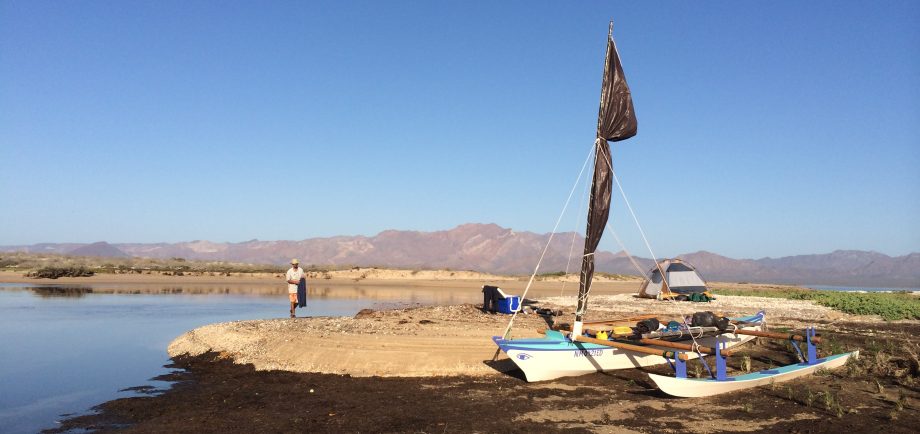
A Quiet, Secluded Beach close to Suburbia

A wonderful bonus is that nature will often come very close to you personally, we’re talking within an arms reach. Maybe a minnow or stingray, dolphins or sharks, or even a pelican or heron landing on the deck of your sea kayak, all of which has happened for me. I can also attest that having something breach the surface from below, or have an Osprey or Pelican drop a surprise dive bomb on a fish, right beside you will have your heart racing for while!

2. It’s Affordable and Accessible

Camping from a small boat dramatically lowers the barrier to entry. You don’t need deep pockets to experience a night floating at anchor beneath the stars or camping on a lonely shore gazing into the embers of your cool fire. An inflatable dinghy, a kayak, or even a modest secondhand sailing dinghy can open the door to adventure based experiences that are far richer than their price tag suggests.

3. The Blend of Two Worlds

Camping and boating are combined. By day, you’re navigating over waterways, dancing with the wind in your sails or feeling mesmerized by the rhythm of the paddle in your hands. By night, you’re pitching a tent on a beach all to yourself or sleeping at anchor aboard your boat being lulled sleep by the gentle rocking. It’s can be the intimate union of land and water adventures— half land based campsites, half sea voyage.
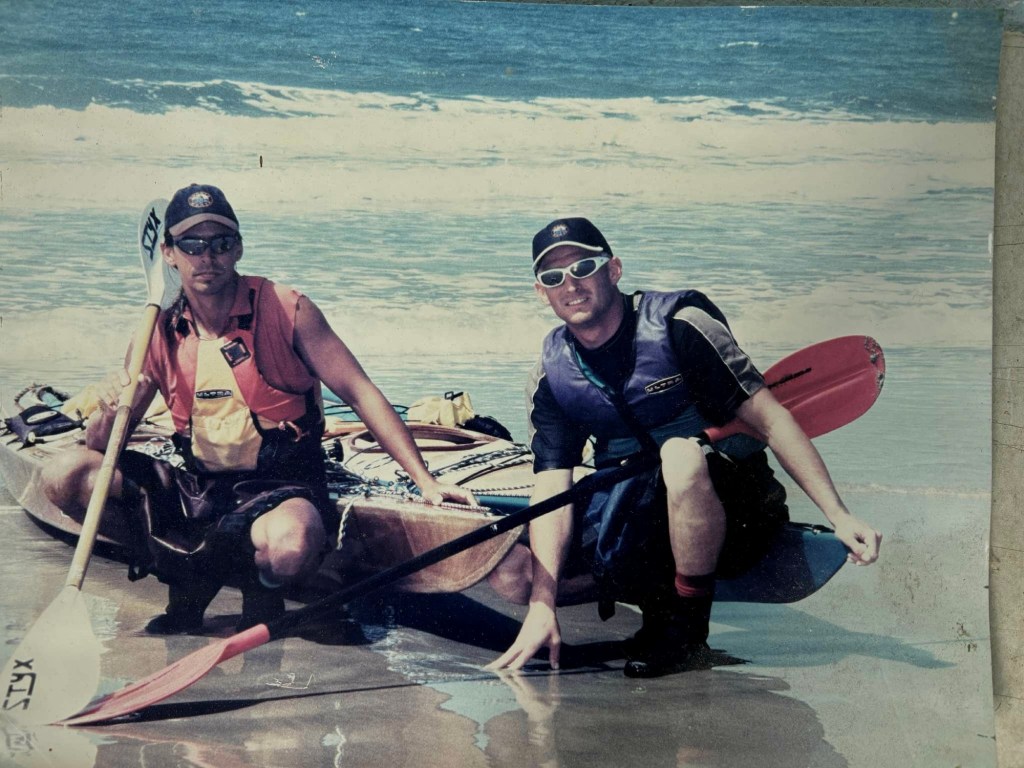
A Huge Adventure from Long Ago

The Magic of Scale

Thinking of great adventures, we often imagine climbing dazzling peaks, traversing through deserts, or crossing vast oceans. Yet there’s a certain magic in realizing you don’t need to scale Everest to feel wonder. Spend one night on a small island, watching the tide rise and fall as the stars above you move across the sky, it can feel just as epic.

Small boat camping thrives on scale not measured in distance covered, but in experiences collected. The sound of an owl hooting from the tree-line, or a curlew crying out nearby on the beach. Water lapping against the hull as you fall asleep. Cooking your evening meal on a campfire with nothing but the night for company, then enjoying your smoke infused morning coffee as the sun rises.

A micro-adventure is proof that you don’t need more; more miles, more gear, more expense. Simply to pay attention to what’s already available in your own backyard. You’re ‘somewhere nearby’ is someone else’s exotic location.

Preparing for a Micro-Adventure

Part of the joy of small boat camping is how little it takes to prepare. But preparation is key, and done well, it ensures safety and maximizes enjoyment.

Choosing Your Boat

Sea Kayaks, River Kayaks & Canoes: Lightweight and portable, perfect for lakes, rivers, and calm bays, and of course, coastal cruising.

Inflatables & Dinghies: Versatile, affordable, and easy to transport.

Small Sailing Dinghies: Harnessing the wind offers both sailing fun and a floating platform for camping.
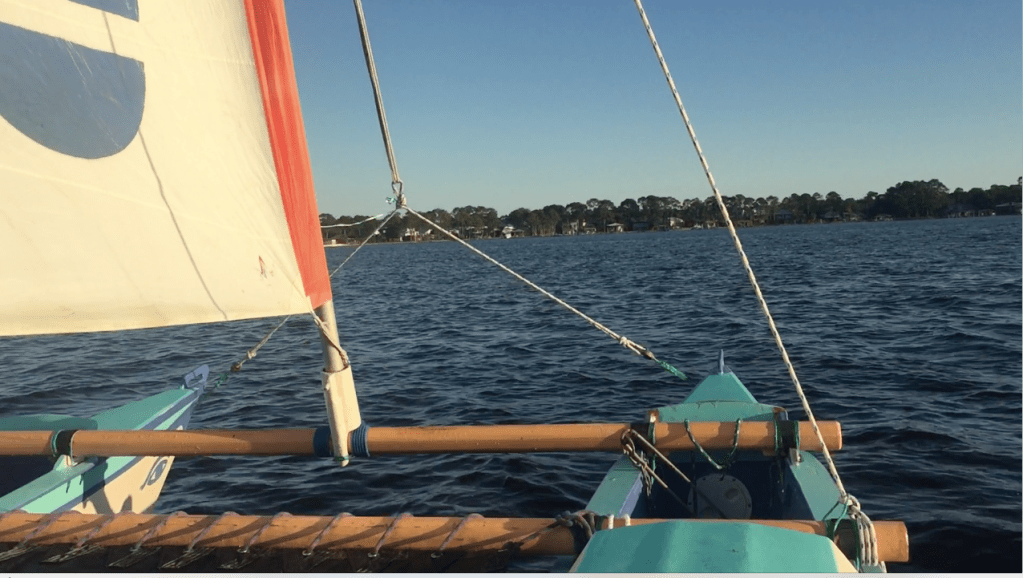
Small, but perfect for Adventure

The boat you choose depends on your waterway and your comfort level. Some adventurers thrive on the effort put in to paddle a kayak or canoe, while others enjoy adjusting the mainsail and dancing with the wind.

Essential Gear Checklist

At its heart small boat camping doesn’t demand much, although a few essential items go a long way:

Dry bags for keeping gear safe.

A lightweight tent or tarp if camping ashore.

Sleeping bag and pad for warmth.

Portable stove and a compact cook kit.

Food and its containers

Headlamp, water filter/supply container, and basic first-aid kit.

Navigation essentials—map, compass, or GPS.

Planning the Route

Start small.

Aim for one and two night trips on local waters with undemanding waters. Identify various potential camp locations ahead of time, whether it’s a sandy beach, a designated campsite, or a quiet protected bay. Keep your initial distances manageable, read short, and plan to end each day with at least a few hours of daylight. Learning the process of loading and unloading your gear, where it lives, how often it gets used and in what order it is packed is a huge part of this new adventure based lifestyle.
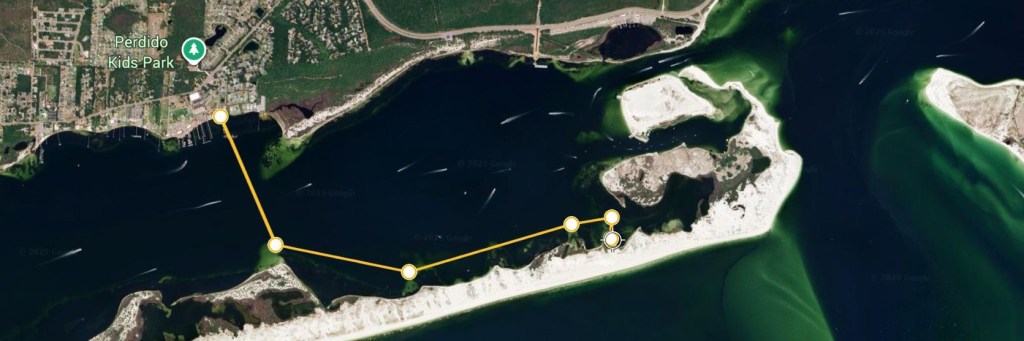
Only Two Miles, but a World Away

To ensure the journey is enjoyable, and not exhausting, I’ve always recommended breaking your first days into two, three, or even four short segments with potential campsites at each segment. This provides the choice of pushing on if it feels good, or staying put and enjoying moment if you’re tired.

Stories from the Waterline

Small boat camping is less about theory and more about experience.

Picture this:

You push off from the dock late in the afternoon, the sun dipping toward the horizon. Your gear is neatly stowed, dry bags and equipment safely secured, and a small cooler at your feet. The paddle dips into the water with a satisfying rhythm, or the sail fills gently pushing you onward, and already you feel the grip of ordinary life loosening.

An hour later, you nose the bow into a quiet cove, or on to a lonely section of beach. You drop your anchor or pitch your tent, and by the time the sun fades from view you’re sitting cross-legged by your camp stove, steam rising from evening meal with a cold beer in hand. Fireflies dance through nearby branches. Over the water, a pelican glides by into the twilight, wing tips inches off the water.
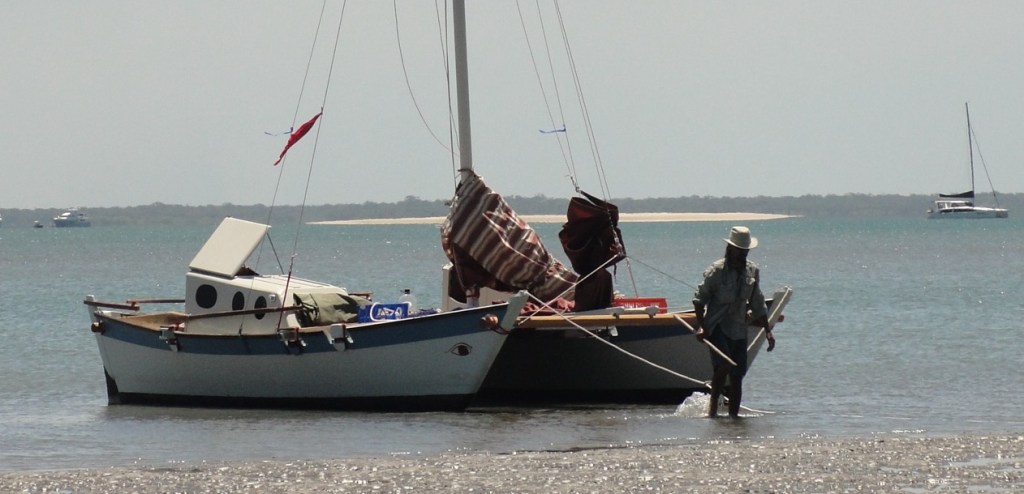
Big boats Can’t Get Here

It may not be a grand expedition, but in that moment, you are experiencing the real world and feeling utterly alive.

The Joy of Solitude

Small boat camping steps you away from the noise of our modern world. Even if you’re just a few miles from town, the water acts as a natural boundary between you and the chaos of daily life.

In your solitude, you notice details that are often missed: the pattern of ripples in the current, the call and movements of the night creatures, the smell of salt or pine hanging the air. You realize that contentment doesn’t come from more possessions, it comes from fewer distractions.

Shared Adventures

Small boat camping need not be solitary. A group of friends, each in their own craft, each on their own journey, come together at the evenings campsite. Boats can be rafted together to become a platform for storytelling, laughter, and shared meals. The intimacy of small boats encourage closeness. You can be separated by cabins and decks, yet still gathered side by side, trading stories over simple meals and shared star light.

Lessons from the Water

Each trip, no matter how small, teaches something.

Cooking with limited gear demands resourcefulness, making do with what you packed. Waiting out weather or tides, and learning to adjust to conditions requires patience you have no choice in.

Dealing with the discomfort of mosquitoes and bugs, or a sudden rain squall, and realizing you can handle it all, develops resilience. The sheer privilege of floating on the water, of having a patch of earth to camp on, of having the freedom to do these things can be a profound lesson in gratitude.

These lessons will make their presence felt in life ashore as well. Small boat camping becomes more than mere recreation, it develops a mindful practice of living deliberately and simply.

The Environmental Connection

Spending time afloat reminds us that water is not just scenery, but a fragile, living environment and worth protecting. Camping from a boat you’re often in places less touched by human hands, places where your presence has an immediate impact and we must tread lightly.

If you bring it in with you, take it back out with you.

Try not to disturb the wildlife too much.

It Could Be Just Around The Corner

Respect the intertidal zones and fringing vegetation.

Small boats have a small footprint, but even small footprints matter, and enough of them can have a big impact. The more we respect our waterways, the longer they will endure for others to enjoy, and more importantly will allow the natural world to do its own thing.

Micro-Adventures as a Lifestyle

The increasing popularity of “van life” is showing that mobility and simplicity is being valued more and more, and small boat camping is its aquatic cousin. Both concepts reject the idea that you need great excess to feel alive. Both concepts thrive on minimalism, resourcefulness, and the joy of small spaces.

Micro-adventures by water allow you to turn weekends into stories, shorelines into personal discoveries, and a modest boat into a vessel for freedom. It’s not about where you go, it’s about how fully you experience it.

The Joy Is Waiting

You don’t need a big yacht capable of crossing oceans in luxury. You don’t even need months of preparation. Good situational awareness with an eye to the weather and basic navigation can carry you around the corner to an unexplored, by you, location. All you need is a small boat, a sense of curiosity, and the willingness to push off into the unknown—whether that unknown is just around that next bend in the river, across a quiet bay to a new island or a lonely piece of beach.

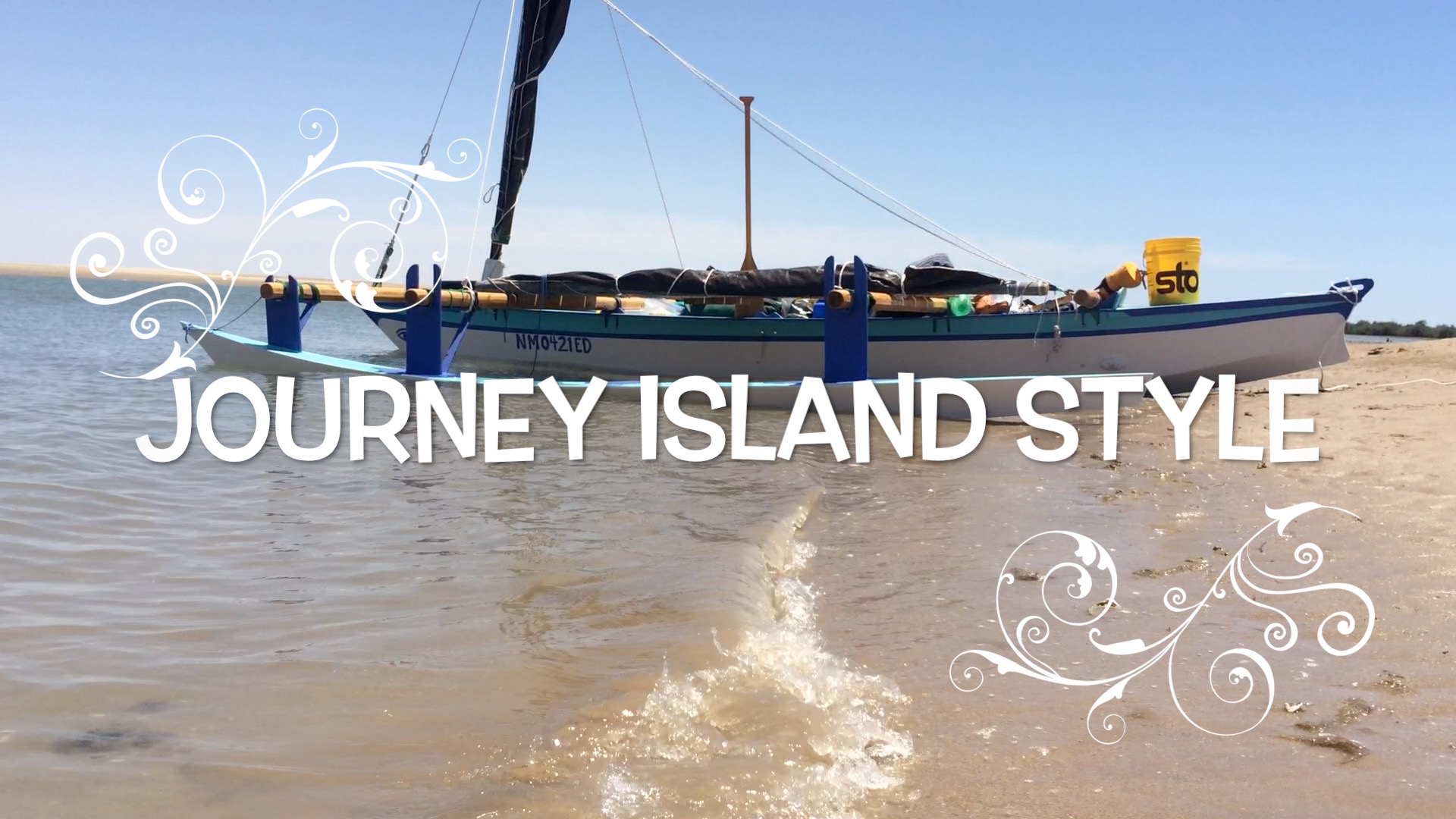
A Simple Journey Boat

The joy of small boat camping is not in the distance traveled but the immersion in the experience, the simplicity, and remembering that life’s greatest adventures can often come in the smallest of packages.

So, next time the weekend arrives and feel the water calling, grab your boat, pack some gear, and just go.

Your micro-adventure is waiting.
Categories: Journey Skills | Tags: , , , , , , , | 1 Comment

U.S. ICW vs English Canals

The Thought That Drifted In With the Tide

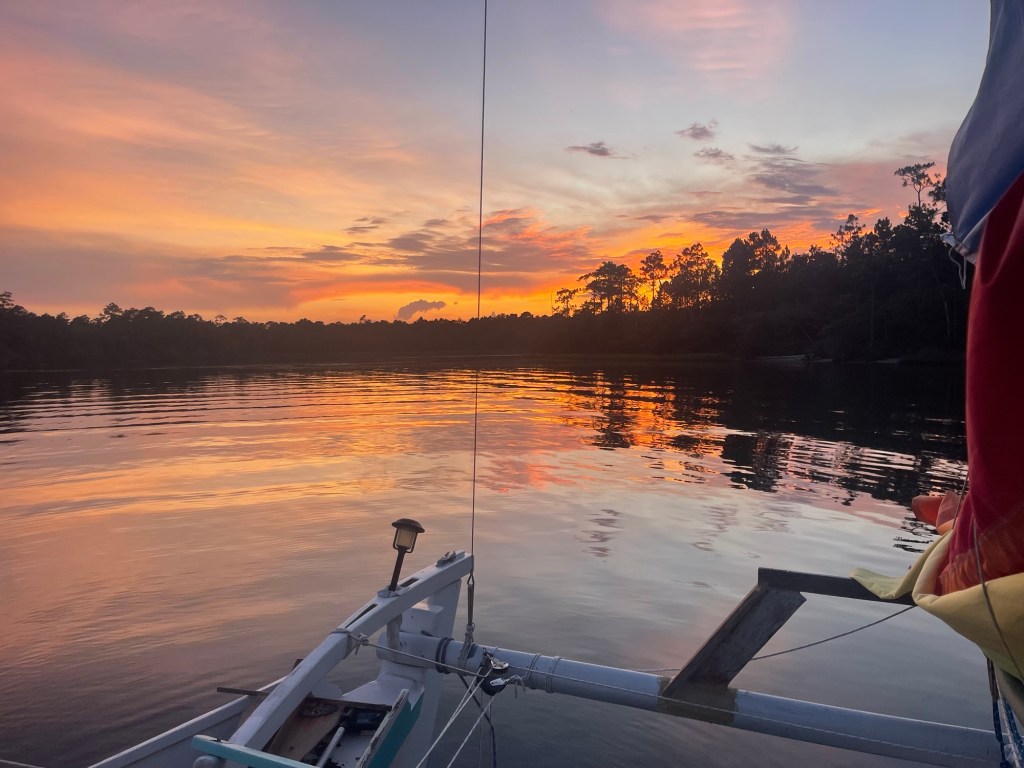
Early mornings on the Gulf Intra Coastal Waterway, when there’s hardly any wind overnight the water lies perfectly flat, as if trying not to wake the day. The boat has no real movement until an early rise fisherman’s boat throws a wake or the wind pick up. I’ll sit with a mug of coffee cooling too quickly, watching the world shake off its night colors, hearing the water world come alive.

A Low Sun and Mirror Waters

Sitting, watching, letting my mind wander, a thought came to me:

How different the English canal system must feel — and yet how oddly similar these two worlds are.

Not because I’ve cruised those English waterways myself, but because I’ve studied them the way some people study far off places: obsessively, and with the vague suspicion that I could feel right at home wandering along their many miles of quiet dark waters.

This particular morning, the ICW and the English canals began a quiet dialogue in my mind.

What follows is the extended version of that internal conversation. My apologies if some assumptions are off the mark.

1. Scale — The U.S. Continent vs. The Clockwork English Network

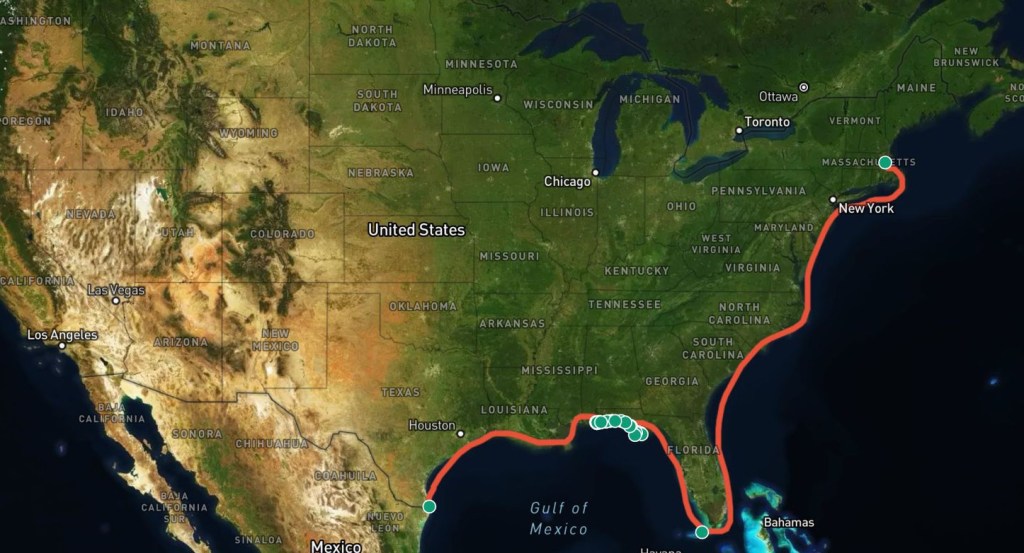
The first thing anyone learns about the U.S. Coastal ICW is that it never seems to end. You can zoom out on the chart-plotter and see it tracing the coastline for what seems like forever. In fact, one end is marked at Brownsville, Texas, and it meanders all the way to Boston, Massachusetts, with only a couple of sections where you must travel open water. In its entirety it’s around 3000 miles (4800km) long.

This waterway is the kind of thing someone invents when they look at a continent and say, “Let’s carve a fat, aquatic ring road around it.”

A Very Long Journey

The English canals? The canals themselves are around 2700 (4300km) miles long and connect with many river systems totaling around 4700 (7500km) navigable miles.

Not Quite As Straight Forward

They were carved by people who looked at a country and said:

“Let’s make a tidy, very deliberate system of narrow liquid footpaths.”

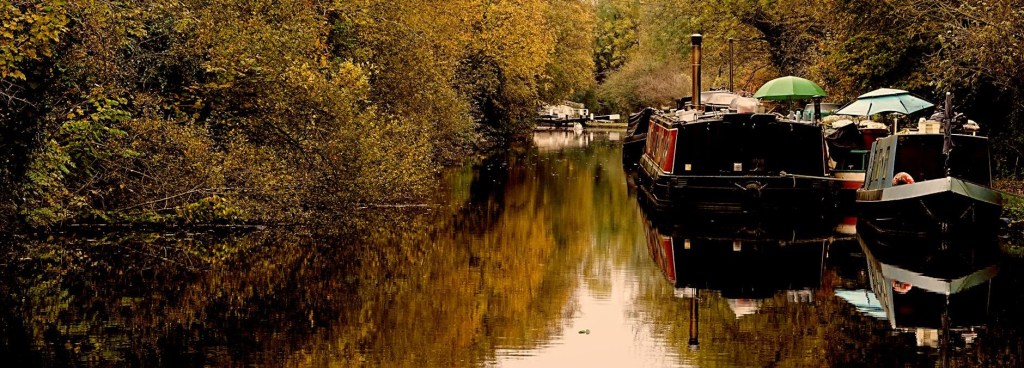
The network seems so precise that you could navigate it with a pocket watch, a half-decent map, and the British willingness to not be in a rush. It’s a tangled web of narrow, tree lined, slow waters. Where stopping to brew up a cuppa seems mandatory.

One is scale you grapple with.

The other is scale you immerse in.

2. History — Ongoing vs. Curated

ICW history is still breathing heavily with industry.

Every day I see barges whose hulls look like they’ve survived more seasons than I have birthdays. Old fishing huts on stilts lean at angles only loyalty can maintain. Marinas evolve, channels shift, dredgers complain.

It’s a living timeline, active and unpredictable.

By contrast, English canal systems seems to be curated — almost museum-like in their preservation. They appear full of this reverent tone: locks engineered during the Industrial Revolution, towpaths once trodden by horses, tunnels dug by candlelight and long-suffering laborers who probably invented new swear words with every foot of progress.

Old World Charm

The ICW’s history seems to be growing.

The English canals’ history is being maintained.

Both hold weight.

Both tell stories.

Both shape the traveler.

3. Speed — Tide vs. Towpath Logic

The ICW is a place where speed is always present.

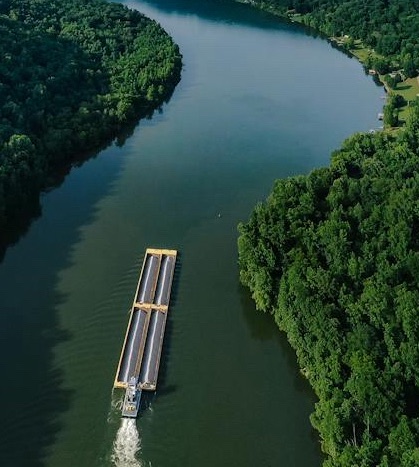
The work barges push along at 5 or 6 knots, the powered pleasure craft are doing up to 50/60 knots.

Not Comfortable

Many cruisers race from marina to marina, but there are plenty hanging off their anchor.

Speed is very common, and expected, but the wakes however, are an unbelievable pain in the arse.

But English canals?

Their speed limit is roughly that of a dog walker in good shoes. Many canal guides recommend traveling at “a gentle pace that does not outstrip a strolling human.” Dogs, apparently, serve as informal speedometers.

No Choice but Slow

The ICW teaches you to adapt.

The canals teach you to accept.

The distinction is subtle but important.

4. Landscape — Horizons vs. Held Spaces

On the ICW, you can spend days moving through spaces that are open enough to feel exposed like open sea, and others that are closed in and feel downright Jurassic.

A Lost World

England’s canals, in every photograph, account, and map I’ve studied, feel intentionally framed.

Willows.

Stone bridges.

Old

Towpaths with the kind of grass that looks like it smells wonderful after rain.

While the ICW seems to ask, “How far do you want to go today?”

The canal system asks, “How closely do you want to look?”

5. Navigation — Nature’s Mood vs. Human Blueprint

On the ICW, I have grounded on sand bars and been stranded on a beach from an absolutely horrific overnight storm. The depth sounder must be monitored constantly in tighter waterways as the sand bars are always moving, especially as I can, and do, often go beyond the channel markers.

In the English canal system, there doesn’t seem to be much guessing.

Not A Lot of Room

Depth is intentionally shallow.

Width is intentionally narrow.

Turns are deliberate, engineered by surveyors who apparently worked exclusively with one boat at a time mind.

American navigation is a conversation with nature.

English navigation is a conversation with geometry — and sometimes geometry wins.

6. Locks — Occasional Events vs. Daily Rituals

Entering some of the ICW narrow, bendy, sections require careful planning with regards to the huge barges, and trawler type cruisers.

You prepare.

You position.

You hope the others do the same.

They Take Corners Wide

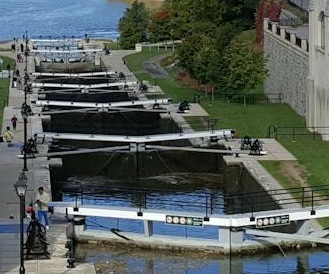
Canal locks, according to every account I’ve read, are more a way of life. Hundreds of them. Some in long flights, rising up hills in waterborne staircases.

They Take Time

The ICW waterway says:

“You’re moving somewhere new.”

The English canal says:

“You’re moving in the same way everyone has for 250 years.”

There’s a beauty to both.

7. Culture — The Great Migration vs. The Floating Village

ICW culture is migratory.

You could meet a boat in North Carolina, see it again in Florida, and never cross paths again. It’s a waterway of temporary companions — a beautiful form of impermanence.

English canal culture appears much more tightly knit. The same boats. The same faces. The same towpaths.

A floating neighborhood rather than a moving caravan.

The ICW gives you wanderers.

The canals give you neighbors.

8. Nights — Cosmic vs. Enclosed Quiet

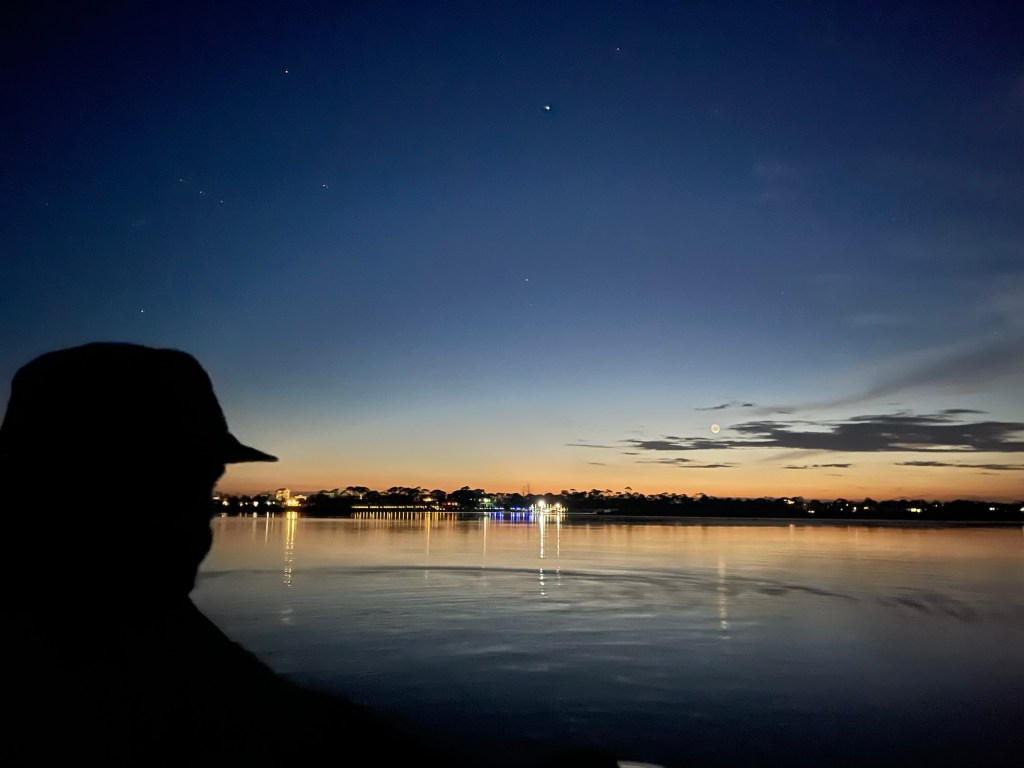
My ICW nights have been vast: stars reflected in quiet waters, wind whispering across the flatlands, the sense that the world has been stretched out like a piece of quiet cloth.

Quiet Evenings

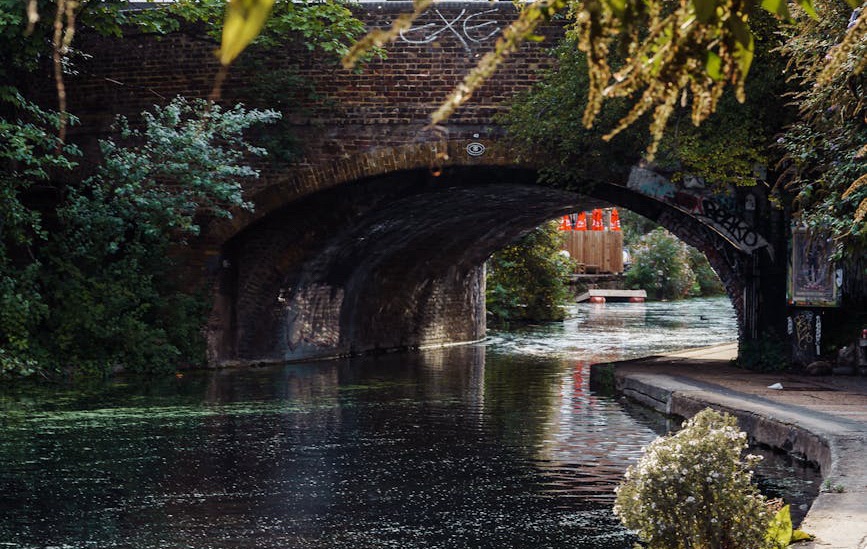
Images of the English canals show an intimate calm: a stone bridge arching overhead, the glow of a cottage window on the towpath, the quiet crackle of a narrowboat wood heater.

A Different World

One quiet widens you.

The other folds around you.

Both could feel like home — even if I’ve yet to travel one.

Categories: Journey Skills | Tags: , , , , , , | Leave a comment

Life Changes Just Around the Corner With the New Season (Aboard a Wharram)

There’s a specific kind of silence that drifts over a Wharram just before the cool change of season.

Sunsets Are More Comfortable

It’s not just the temperature of the air or water—those are easy enough to identify. I find a silence that’s… something else, something subtle. It’s a pause. A breath. A moment where the world seems to lean in, as if it’s waiting for whatever comes next.

I’ve lived aboard for nearly two years now. What’s become apparent is the recognition of change. In the same way you recognize the creaks of the hulls or the gentle rumble of the kettle coming to a boil. I feel the world shifting, and my little floating life is about to shift with it.

The thing about seasons is that they don’t just happen outside of you. They happen within you. And living on a Wharram—a boat that invites a deep kind of intimacy with weather, time, and the many moods of our aquatic world —you feel these shifts in more ways than one.

The First Signs Arrive Quietly

It’s rarely the big, dramatic signs that tell you the season is turning. The signs arrive in very subtle ways.

For example when summer is approaching its end.

Changing Temperature

One morning, you wake up and realize the deck feels cooler under your bare feet. Not cold. Not even chilly. Just… cooler. The morning sun doesn’t arrive with the intense heat of mid summer anymore. The daily arrival point of “it’s too damned hot” happens a little later each week.

It also begins to show at sunset. No longer is the last couple of daylight hours filled with the intense blowtorch heat from both the sun and its reflection from the water. You can now sit, in the shade, without sweating like a dripping sponge.

The world is changing.

So are you.

Living Close to the Vagaries of the Season

For me, living on a Wharram means living at the mercy—and delight—of the small details of the natural world. There’s no central heating . No thick insulation slowing the transfer of heat.

A Wharram is an honest boat. Admirably so.

When the season shifts, the boat tells you long before your calendar does.

The lashings seem to change their tension depending on humidity, allowing the beams to sometimes creak in their sockets when the boat gets rocked by waves. The morning air slips over the bows with a different character you can’t hide from. I’m exposed to it just from making my morning coffee, it’s in the other hull with an open deck in between.

And you become an involuntary weather-watcher.

Most people have to step outside to feel the season. You simply wake up and feel it immediately—in the boards under you, the air inside the cabin, the way your pillow holds warmth or releases it instantly.

There is nowhere to hide from seasonal change aboard a Wharram.

Delightfully Exposed

But that is precisely what makes it beautiful.

Seasonal Shifts Bring Inner Shifts

The funny thing about the changing season is that it always seems to come hand-in-hand with a quiet internal rearranging. Every new season invites a different version of you to step forward.

Maybe that version is more contemplative.

Maybe more adventurous.

Maybe a little tired and ready for rest.

Maybe itching to do a refit, finish repairs, or start those improvements you swore you’d get to when “things slowed down.” Not that they ever really sped up on a Wharram.

Many Projects

Living on a Wharram makes this inner-shift especially unavoidable. The boat’s openness invites self-awareness of a rare kind. The elements aren’t out there. They’re right here, drifting through the living space, humming in the rigging, tapping lightly at the hulls and cabin tops.

A new season arrives, and you feel you’re being nudged toward something. A different rhythm. A bolder mindset. Or simply the kind of small internal maintenance that humans need just as much as boats do.

We don’t often talk about spiritual oil changes, but maybe we should.

The Rituals of Transition

The strange thing about seasonal transitions aboard, especially leaving summer, is that they always initiate a kind of domestic dance—small rituals that prepare you, your boat, and your mind for what’s coming.

You might have:

Another blanket or two that now lives permanently on the bed

The small heater to ward off the morning chill is out of storage

The hatch above the bed doesn’t open quite as early in the morning

Put away the fans and pretend you’re not a little sad to see them go

Consider where you stashed the cold weather gear months ago

These rituals are the liveaboard’s version of migrating geese—or squirrels storing nuts, only you’re pulling sweaters or repositioning your cold foul-weather jacket so you don’t find yourself hunting for it at exactly the wrong moment.

Winter’s Coming

There’s a quiet satisfaction in these small preparations. They aren’t exactly chores; they’re acknowledgments. Telling yourself, I see what’s coming. I’m ready in my own small way, at least I think I am.

And maybe that’s what seasonal transitions are all about—becoming ready for something you can’t quite articulate yet.

The Emotional Weather Report

If I were to file a personal weather report during this seasonal change aboard, it might read:

“Growing swells of introspection, increasing probability of mild restlessness, warm pockets of nostalgia, and scattered clarity across the afternoon. Winds variable, blowing toward future possibilities.”

Seasonal anticipation for me rides its own kind of emotional tide. I’m not necessarily sad, nor necessarily excited, but suspended in that productive in-between space where reflection becomes easier and clarity tends to drift in and out unexpectedly.

This is why the changing season often brings questions I haven’t thought about in months:

Should I reorganize the cabin?

Should I write more?

Should I finally fix that one squeak that I only hear at 3 a.m.?

Am I moving in the direction I want, both literally and metaphorically?

What do I truly want out of the next few, colder, months?

Not a Terrible Office

I dream of warm tropical beach’s right alongside dreaming of the unbelievable beauty of cold northern places like Nova Scotia.

These questions drift in the same way clouds drift across the sky—sometimes fast, sometimes slow, sometimes gathering in meaningful formations. And living aboard means you have the time and space to actually notice them.

Life ashore often moves too quickly for these thoughts to gather traction. Aboard, they drift in and out naturally like the tides.

Letting Go of One Season Before Entering Another

One of the quiet truths of living on a boat is that you’re always letting go of something.

Sometimes it’s literal—objects that don’t fit the space or get used enough, clothes that don’t suit the climate, gear that you finally admit isn’t pulling its weight.

Too Many Maybe Things

But other times, it’s internal. Outdated worries. Old priorities. Habits that once made sense but don’t anymore

And I think each season asks you to release something different.

Summer asks you to let go of excess—too much clothing, too many indoor activities, the belief that you need walls to feel secure.

Autumn asks you to slow down. There’s no need for constant motion.

Winter asks you to accept the comforting monotony of early nights, warm drinks, and low-key living.

Spring demands you let go of dormancy—the temptation to stay comfortable, quiet, unchanging.

Living aboard seems to heighten all of this. There’s no spare space to hoard possessions or old versions of yourself. You become intimately aware of what your “next season self” may not be anymore.

For me this feels healthy, almost instinctive. Just as the Wharram needs to be a minimalist environment, your mind benefits from getting rid of clutter. Just as the boat can be reorganized for the seasonal change, you can reorganize internally.

You let go, because the season asks you to.

The Wharram and the Wider World

One of the unique joys of living on a Wharram is that it gives you a front-row seat to the drama of the natural world, without drowning you in theatrics.

The open decks, the simple nature of the hulls, the flex and give of the rigging—all of it creates an intimacy with the change in seasons. Nature doesn’t shout at you through glass. It whispers through the fibers of the boat itself.

And at the same time, living aboard lets you feel connected to the broader human experience.

People everywhere feel the tug of seasonal change, even if sheltered from it. Even if they ignore it as the heater kicks on or the first frost carpets across their car’s windshield.

While they sit in their climate controlled cars or apartments, you sit on the exposed deck with your morning cup in your hand and the sky wide open above you.

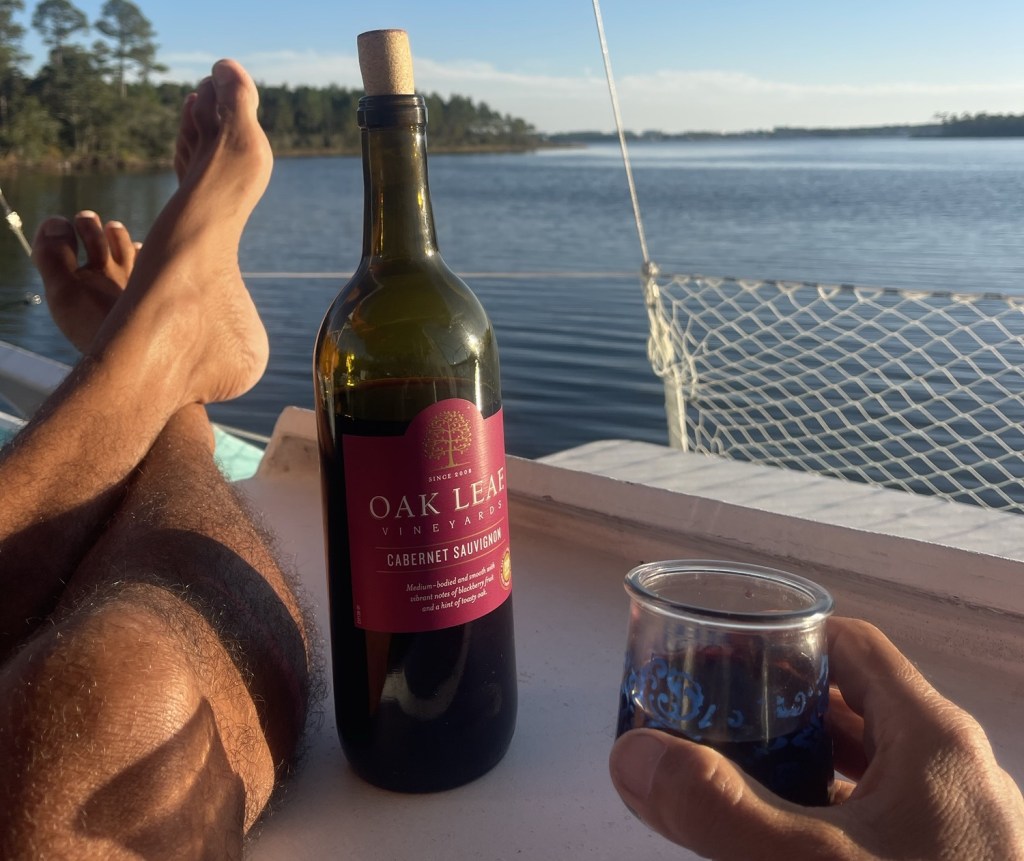
Big Skies, Hot Coffee

In a way, the experience is universal—you’re just… closer to the source.

The world is changing for everyone. You’re simply noticing it sooner.

The Inner Compass That Turns With the Seasons

Every person has an inner compass—an instinctual direction that shifts ever so slightly as the season does. Not a moral compass, not a navigational one, but a psychological one.

Seasonal changes affect:

What we crave (pumpkin spice vs cookout and beer)

What we’re afraid of (frozen pipes vs A/C breaking down)

What we’re drawn to (a warm fire vs the pool)

What we hope for (good skiing conditions vs good surf)

How we want to spend our time (hunkered inside vs lounging in the sun)

Aboard your Wharram, you might suddenly feel the urge to tidy the deck, or work on a project, or write longer pieces, or plan new voyages, or simply sit in the cockpit and breathe. I tend to do that far too often.

Just Sit and Breathe

Meanwhile, someone living a thousand miles inland may feel the same urge in a different form—cleaning a closet, rearranging the house, rethinking a career, or letting go of a long-held worry.

The season turns, and hopefully, all of us turn with it.

The Pause Before the Shift

Always, before the new season arrives fully, there’s a pause. A moment when life seems to hover—neither here nor there. A kind of liminality.

This moment is an invitation.

Take stock.

You don’t have to rush.

Something new is coming, meet it at your own pace.

This is the perfect time for reflection aboard a Wharram. For sitting on the trampoline with the sun warming your face. For watching birds and dolphins chasing their meals. For listening to wavelets break on nearby shores.

These small details carry the weight of the season’s approach.

Enjoying the Shift

Life is shifting.

You’re shifting with it.

And the boat is holding you through the transition, just as it has held through all the others.

Stepping Into the New Season

When the new season finally arrives—not all at once, but slowly, with thousands of subtle signals—it feels like the world is exhaling. The air steadies. The world adjusts. You adjust with it.

Maybe you feel a new burst of energy.

Maybe you feel a need for calm.

Maybe you feel ready to create, to rebuild, to explore, to retreat, or to begin again.

None of these reactions are wrong.

Seasonal change isn’t a command; it’s a gentle invitation. The kind that says:

You can shift now, if you’d like. You can move in any new direction you please. You can release something. Or start something. Or simply notice what’s different and let that be enough.

Embracing Cooler Weather

You are part of the cycle as surely as the tides.

And with the cooler season just around the corner.

So are the changes.

Categories: Journey Skills | Tags: , , , , , | Leave a comment

Website Powered by WordPress.com.