Journey Skills

On Waking Early and the Quiet Art of Steering Your Day

I often wake up before dawn, and it’s hard to deny, I do tend to feel a little smug about it.

Not an obnoxious smugness, but the quieter sort that accompanies your first cup of coffee.

The Quiet World

You feel you’re the only one awake at that quiet moment and the rest of the world still sleeps; “Look at you, getting ahead of the world.” Whether or not that’s true is irrelevant. The triumph lies in beating the day to its feet — drinking my coffee watching the sun rise, and enjoying the warmth of the sun slowly bring the day alive.

Most of us know that feeling of waking late and immediately being rushed. The world has already kicked into gear: everyone is on a mission gathering the requirements for day. You head off to your office or workshop to continue yesterday’s “Gotta get it done.”

In contrast, waking early feels like having private time with time itself — a quiet negotiation where you and the clock agree that, for the moment, you’re not rushed by someone else’s requirements.

The Myth of Morning People

Let’s start with a confession from most so-called “morning people”; I don’t think they actually like mornings. They’ve just learned to accept it with good grace. You do it long enough and eventually convince yourself it’s noble. You say things like, “I love the peace and quiet before the world wakes up,” which is really code for, “There’s no one around to annoy me yet.”

Not Yet

There might be some wisdom there though. Early mornings do have a peculiar texture, a feeling that the air itself is listening. Before the traffic peak hour begins, before the morning news unloads its doom and gloom, there’s a brief stillness that’s ancient and fragile. It’s only during the last one or two hundred years that this morning rush has enveloped nearly all of us.

The light is gentler, as though it knows you’re not quite ready for full disclosure. If you can learn to inhabit that space, even for half an hour, it changes the tone of everything that follows. You begin the day deliberately instead of defensively. That, I think, is what structure really means: not rigidity, but intention.

The Chaos of Unplanned Days

The opposite, of course, is the screw it, “let’s-see-what-happens” approach — which sounds adventurous until you’ve lived through it. Nothing really happens the way you want it to. The trouble with spontaneous days is the world is full of other people’s plans.

Unplanned

A day without structure is like an untied shoelace — a small inconvenience that can trip you up at the worst possible moment. From one distraction to another, text messages, checking weather forecasts, minor tasks suddenly feel urgent, unintended doom scrolling. By the end of day, you’re totally knackered, but you can’t quite point to what you’ve achieved. It’s not laziness — it’s diffusion. Your energy, unshaped, simply evaporates.

Structure as an Act of Rebellion

Structure may feel like a constraint, but in truth, it may be a quiet rebellion. Planning your day doesn’t portray control-freak tendencies; it shows self-respect. It’s saying, “Before the world defines me, I’ll decide for myself what I’ll do.”

Think of it as a circle around your life. Inside that circle are the important things: the tasks that align with your values, the moments that make you feel alive. Outside the circle is the cluttered noise beyond your control.

The Ritual of Beginning

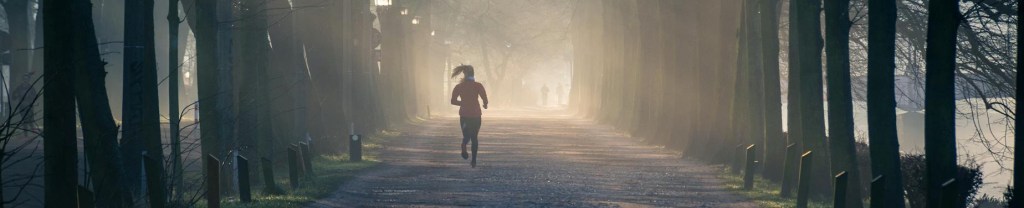
Waking each day requires ritual. Some take a cold shower. Some go for a run. Some sit silently with a cup of coffee, staring into the middle distance like a monk with a caffeine habit. The ritual itself doesn’t matter; what matters is that it belongs entirely to you.
Mine involves the slow, almost ceremonial act of making coffee — measure out the ground beans, boiling the water, mixing in the pot to ensure enough Crema. It’s an absurdly small thing, but that’s the point. Mornings are built for small things. The world can throw plenty of large ones at you soon enough.

There’s something grounding in these tiny, repeated gestures. Control begins with the simplest of acts: waking with comfort, making the bed, choosing not to check your phone before you’ve really woken up. The day will unfold in any number of ways, but you can choose how you’ll meet it.

Planning as a Conversation with Yourself

Filling every hour isn’t necessarily the best plan. It’s about clarity — what deserves your energy, and how much, and what doesn’t. I think statements of intentions can be more effective than plans, at least they are for me. I can make lists and plan to do things at specific times, but I can also guarantee that something will go caddywompuss, and I’ll end up frustrated. With intended outcomes, timing tends to take a backseat and intention remains the main focus. That’s my idea of planning.

Some people write their plans in elegant notebooks. Others scrawl them on the backs of envelopes. A few, dangerously confident, keep them all in their heads. However you do it, the act of planning is a quiet conversation with yourself. It’s asking: how will I feel when this day is over?

And that’s not an easy question. It forces honesty. You might realize you’ve been spending your time on things that don’t move you forward, or worse, that move you in circles. But that’s the beauty of early mornings — they forgive easily. You can start over every twenty-four hours.

The Illusion of Productivity

Planning can also become a performance with clipboard energy, and color-coded calendars, it confuses busyness with purpose. Treating life like a game of Tetris, fitting tasks into every available slot.

There are those who proudly declare, “I’ve been so busy,” as though it’s a moral virtue. However, there is a difference between being busy and being effective. In a well-planned day, you’ve got space to breathe. You can measure its success by how much you’ve enjoyed the day as well as how much you’ve achieved.

For me a well planned day has buffer zones — pockets of unscheduled time where you can simply exist – otherwise you risk becoming simply the administrative assistant of your own life.

When Plans Go Wrong (and They Will)

Even the most carefully created plans can’t predict the weather. Sometimes, despite your best intentions, the day goes pear shaped. Traffic issues, lost keys or wallet, unexpected phone calls — small ambushes can derail a day’s productivity no matter how careful you are.

Treat these not as failures of planning but as reminders of proportion. Plans are scaffolding, not prisons. They’re meant to support you, not contain you. When things unravel — and they will — the structure you built gives you something to fall back on. It’s easier to recover balance when you’ve started the day with intention, not volume.

Plan; But Be Flexible

That’s why planning and flexibility aren’t opposites. They’re dance partners. One provides rhythm; the other allows for improvisation.

The Moral Geometry of Mornings

There’s something almost sacred, about those first hours of the day. The choices made in those early hours seem to echo louder than those made later. Get up early, and enjoy the stillness, the light, and that faint sense that you’ve joined some secret society of the early risers. Lay in bed and squander it, and the day feels slightly off, like you’ve arrived at a play halfway through the second act.

Perhaps that’s why so many traditions treat dawn as a time for reflection or prayer. The world renews itself daily; so can we. Planning in the morning isn’t just about logistics — it’s about alignment. Calibrating your inner compass before the magnetic chaos of the day pulls it askew.

The Small Victories

The rewards of an early, structured start are subtle. They rarely show up on spreadsheets or social media feeds. Instead, they reveal themselves in quieter ways: the ease with which you handle a problem, the patience you have with a stranger, the sense that you’re living with time rather than against it.

Have Clear Intentions

When you get up early, you can feel less reactive, more deliberate. The day feels longer, not because you’ve added hours, but because you’ve claimed them.

Evenings become gentler too. You end the day with a clearer sense of where it went, instead of wondering who stole it.

The Comedy of Trying

Of course, it’s not always easy, it takes effort, and effort without coffee for me is a nightmare. Some mornings I’ll wake late, groggy and confused, carefully created intentions will just sit there, taunting me. My coffee will not be quite right, and I can’t quite get into gear. I promise myself to do better tomorrow — and that, really, is the point I suppose.

The pursuit of structure is a comedy of errors, it’s a daily act of optimism. We keep trying, not because we expect perfection, but because life feels slightly more coherent when we do.

Besides, drifting through unplanned days, constantly frustrated from lack of direction — is far less amusing.

The Secret Payoff

The more you practice waking early and planning your day, the less it feels like discipline and more like liberation. You realize that structure isn’t the enemy of freedom; it’s the foundation of it.

Don’t Color Between The Lines

Musicians practice scales so they can later improvise. The painter sketches outlines so color can flow freely. Likewise, we plan our days not to restrict life’s spontaneity but to make space for it. When the essentials are taken care of, and work is prioritized, portions of the day open like a field to play in. You can wander without guilt because you’ve earned it.

A Closing Thought at Dawn

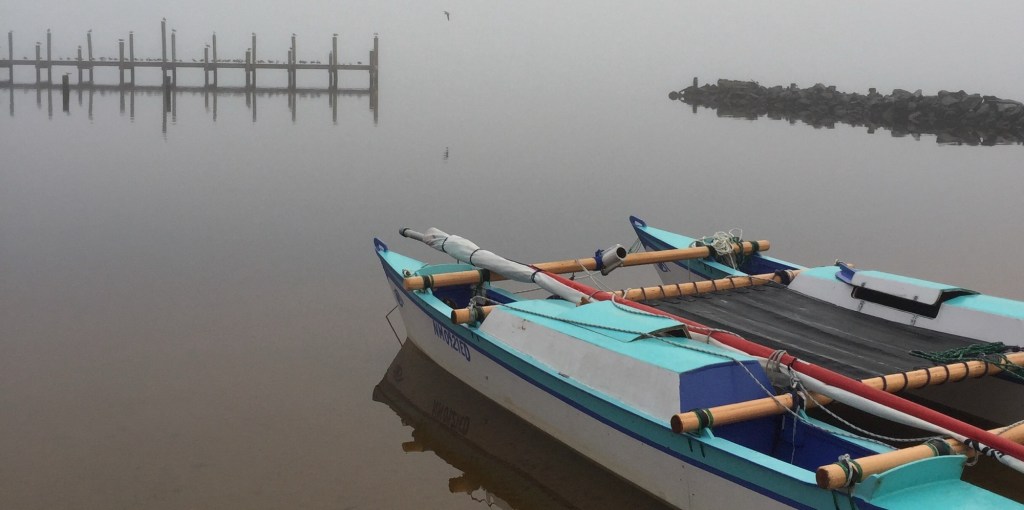
Some mornings I sit up on deck, coffee in hand, watching the light arrive. It arrives quietly, like a guest who doesn’t want to wake anyone. Birds begin chattering in the trees, the water is boiling with bait fish feeding and soon the dolphins come through to terrorize those bait fish, the air stinky with their fish breath.

In those moments, planning the day feels less like strategy and more like gratitude. Alone in that moment, time feels like a gift, no real distractions yet.

So priorities get laid out: what you’ll work on, what can be ignored, what small joy you’ll make time for. You don’t need to conquer the world — just steer your little boat through rough weather with grace.

Make adjustments

And when the day inevitably veers off course — when plans go sideways and coffee spills or wine runs out, and projects don’t go as hoped — you’ll still have that quiet morning hour to anchor you. You’ll remember that control isn’t about bending life to your will. It’s about meeting it with intention, humor, and enough structure to maintain course when the wind shifts.

In a chaotic world, I think that’s as close to mastery as anyone gets.
Categories: Journey Skills | Leave a comment

Your Backyard is Someone Else’s Exotic Destination

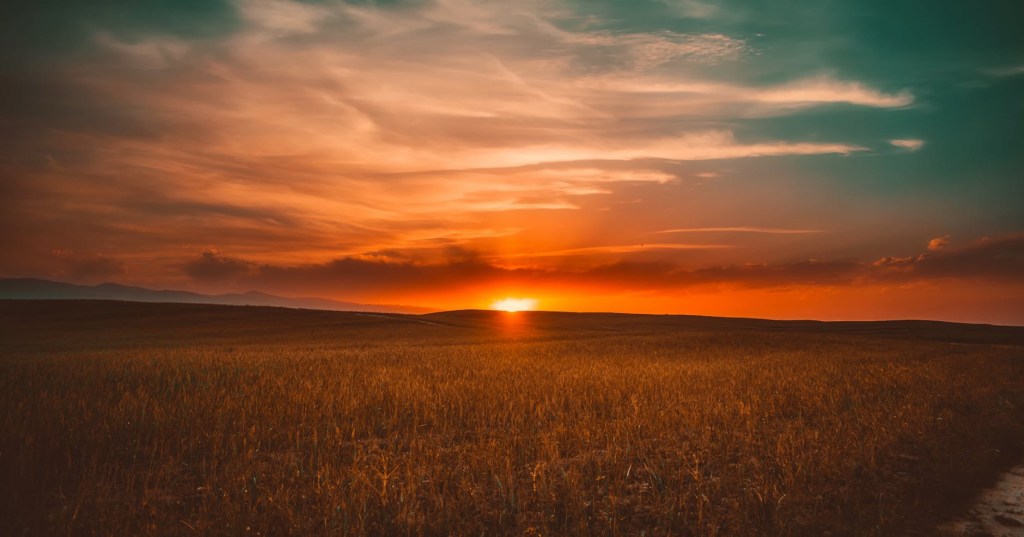
Sunrise or Sunset; still breathtaking

I’ve noticed humans can have a strange quirk, no matter where we are, we tend to think the good stuff is somewhere else. The good old “The grass is greener on the other side.” We often imagine life being grander, more meaningful, better, just over the horizon. Meanwhile, there’s probably someone standing on the other side of that horizon staring back at your patch of earth thinking, “One day, I’ll go there.”

When I taught outdoor education and sea kayaking, I would often tell my clients that where we were climbing, hiking or paddling was an exotic destination for someone a world away. Then encourage them to view our current situation from that perspective.

Someone else’s once-in-a-lifetime destination could be in your own backyard. Someone out there is right now is scrolling through travel blogs and whispering, “One day I’d love to surf on the coast of Queensland!”, or “Fishing in America’s Gulf Coast bayous must be amazing”.

We can be a funny species that way. We’ll spend thousands chasing distant beauty when half the time it exists just outside our back door.

A nice break just down the road

The Lure of Somewhere Else

As kids, we dream of adventure — jungles, deserts, mountains, castles or pirates. Treasure maps always lead somewhere else, far, far away. The treasure was never hidden near home. The adventure was always imagined to be in a distant place that was hard to get to.

Then we reach adulthood, and with it, the ability to travel. Suddenly we’re convinced that peace, happiness, and adventure are only available by the week, in Bali, or the Bahamas. We chase sunsets and cocktails in far off places, forgetting the sun sets just fine right where we are.

Don’t get me wrong, travel is a wonderful thing. Seeing the world, and different cultures changes you and opens your mind. But sometimes, I think we travel less to see but more to escape the ordinary. The trouble is the ordinary can follow us, like luggage. If we tend to grumble about the price of coffee at our local cafe, that headspace will make it through customs with you just fine.

I think John Gierach once wrote that fly-fishing was less about the fish and more about the places it took you. Oftentimes those ‘places’ can be close to our backyards — we simply don’t recognize them because they are wearing their “ordinary” clothes.

Could be your backyard

The Tourist at Home

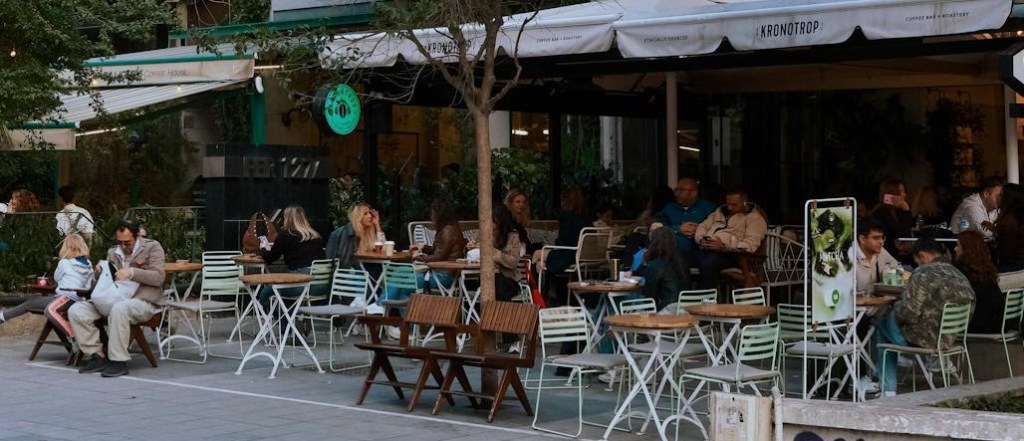
Could we treat our backyard like an exotic destination? Wander out the back door with the same curiosity and reverence usually reserved for somewhere stamped in the passport?

Pack a small bag, or load the canoe. Walk a local trail, or paddle around a bend in the nearest river. Take a bottle of wine, a pair of binoculars and a notebook or camera. Make your way to an area you’ve never been before, and just sit and listen, and look around.

You might see tiny school of minnows flickering like silver confetti under the hull, or dragonflies hovering overhead in the trees like fairies, maybe a turtle sunning itself on a log as if auditioning for a nature documentary.

Imagine David Attenborough narrating, “Here, in the wilds, the common slider turtle basks in the warm sunlight, blissfully unconcerned he’s being watched.”

Take some photos, write in the notebook, enjoy your glass of wine, and realize you’re doing something in a place that someone else is only dreaming about. It may be your ordinary, but it’s also an exotic destination for someone a world away.

Could be Anywhere

Perhaps the difference between being exotic and being common isn’t distance, but attention. Maybe wonder doesn’t live in the passport stamps, but in how we look at the world.

Someone Else’s Dream

Imagine this scenario.

A German backpacker has flown half way around the world just to surf the very beach down the road from your house in Australia. He’s sunburned, thoroughly stoked, and carrying a surfboard that costs a small fortune.

You meet him in the car park.

He asks, “Do you come here often?”

And you reply, “Nah not really, it’s too crowded, and I don’t like sand in my shorts.”

He’d probably look at you like you hate puppies. “But this… this is Australia! Sunshine! Ocean! Kangaroos!”

And with a bit of sarcasm you might say, “Yeah, mate. And magpies. Don’t forget the magpies, and bloody green ants.”

Here’s someone who’d crossed the globe to experience what you might write off as merely background noise to your life. The surf, the sun, the salt air — all the things he’d dream about while shoveling snow back home in Germany.

I think everybody has a tendency do it. The Parisians roll their eyes at the Eiffel Tower. New Yorkers not paying attention to their astounding skyline. Australians tend to not give the “Outback” much of a second thought

And yet, somewhere, someone, is looking at your part of the world, your park, your coast, your backyard, and thinking: One day.

Sydney At Night

The Myth of Elsewhere

Francis Whiting might have once said that travel doesn’t make you better; it just makes you more you. If you’re impatient, you’ll be impatient at the Colosseum . If you’re generous and happy, you’ll be generous and happy in Ecuador . And if you’re a chronic overpacker, you’ll still carry way too much onto the plane.

We romanticize the idea of “elsewhere” because it’s unspoiled by our reality. The places we haven’t visited are still a mystery. But once we get there, the same life ingredients we left behind are also there: weather, traffic, mosquitoes, overpriced coffee. Conversely, the things we imagine are exciting in that far away place, are actually with us all along.

We might think adventure may lie in far away places, but a lot of life’s mysteries can be found in our own backyard. Walk around a local park or beach, find a spot to sit still for a while and you might see a family of creatures that live in a log or a tide pool. The heron that lands by the creek long enough for you to watch it stalk and catch its next meal.

No Matter Where: It’s Amazing

Maybe the point isn’t to escape the ordinary, but to learn to see past it. When we travel to new places we tend to look for interesting things, but not so much at home.

Why We Miss It

So why do we overlook our own surroundings?

I guess it’s partly novelty. The human brain loves change — it lights up when we’re surprised and stimulated. After a while, our brains go “seen it” and tunes out. It’s the same reason we don’t see the car keys on the table.

And maybe marketing. Billions are spent convincing us happiness is elsewhere — on beaches, in mountain lodges, on yachts with infinity pools. No one’s really running ads saying “Rediscover the magic of your shed!”

But mostly, I think it’s habit. We forget to look. We stop paying attention. And attention, it turns out, is the key to wonder.

Francis Whiting, an Australian columnist, once joked that the best way to make your town exciting again is to have a visitor point out all the things you’ve stopped seeing; “Look at the dolphins! You have dolphins right there under your boat!” they’ll say, eyes wide. And you’ll shrug, “Yeah, but the beer’s gone a bit warm.”

It’s a humbling reminder: the extraordinary doesn’t stop being extraordinary just because we’re used to it.

The Exchange Program

Imagine a global swap program where everyone trades backyards for a week. The English gets an Aussie backyard with kookaburras and magpies. Australians get a snowy German forest. Americans might swap their porches for Japanese bonsai gardens.

Just Thought it Looked Funky?

We’d might come out of it marveling at how exotic our own patch of dirt actually is. The German would rave about the lorikeets and galahs. The Aussie might weep at the sight of a fox in the snow. And everyone would have a chance to see their own gardens with fresh eyes.

Maybe we don’t need a plane ticket — just a change in perspective.

The Backyard Pilgrimage

Gierach wrote about the “home water” — that local body of water you fish over and over until it becomes sacred through repetition. You know every rock, every bend, every stubborn trout that refuses your fly. You could go anywhere, but you keep coming back because it’s yours.

Maybe we all have a “home water.” A place we’ve worn smooth with our presence. It could be a backyard, a park, a corner café, or a bench by the beach.

It’s not glamorous. But it is familiar, and comforting, and quietly miraculous if you pay attention.

The thing about sacred places is that they don’t declare themselves. You have to decide. You have to say, “This — this patch of sunlight, this breeze, this cafe — this is my Shangri-La .”

What the Tourists Know

Every now and then, you might see a group of tourists snapping photos of something you’d never look twice at — a mural, a fruit stall, a street musician. They’ll beam, take selfies, and then you might realize: they’re right. It is beautiful. I just forgot.

Tourists find the secrets we’ve forgotten: the world is astonishing if you’re seeing it for the first time.

So here’s a thought experiment. Tomorrow morning, wake up and pretend you’re visiting your home area for the first time. Take the scenic route to work. Walk instead of drive. Ask questions. Notice things.

Hopefully you’ll find something you’ve never seen before — even if it’s just how good the light looks at a certain hour, or the way the neighbor’s jacaranda turns the footpath purple.

Jacaranda Glow

The Grand Conclusion (with a glass of wine)

After all these backyard expeditions and philosophical wanderings, I’ve come to a simple truth:

Everywhere is exotic to someone.

Everywhere is ordinary to someone else.

And the difference lies in the eyes doing the looking.

You don’t necessarily have to cross the Andes Mountains on horse back to feel awestruck. Sometimes it’s in the way the morning light hits your backyard trees. Sometimes it’s the smell of fresh rain on dry earth. Sometimes it’s just sitting with a cup of tea, realizing you’re standing in the middle of someone else’s dream location.

So, next time you find yourself scrolling through travel blogs, dreaming of far-off lands, take a walk outside. Listen. Look. Smell. Pretend you’ve just arrived.

You might discover that the adventure you’ve been saving for is already happening — right there in your own backyard.

Categories: Journey Skills | Tags: , , , , , , | Leave a comment

Defining a Dream

Defining a Dream

Defining a Dream

Dreams are often thought of as distant, unreachable fantasies, the kind that happen when our eyes are closed and we’re tucked beneath the sheets. But the truth is, we’re always dreaming. Every flicker of thought about the future—whether it’s ten minutes away or ten years down the road—is a dream. We may label it a plan, a goal, or a vision, but until it takes shape in the physical world, it exists only in that fragile, hopeful place: our imagination.

For me, one of the simplest dreams arrives each morning. Before the day fully begins, I think about coffee. Not just the taste, though that rich flavor explosion is its own small, beautiful miracle, but the whole ritual of it—the quiet scooping of grounds, waiting for the kettle to boil, talking to the cat, the warmth of a mug between my hands, and the view from the deck of my small boat as the sun and weather defines what sort of day it will be. But until I rise and actually make it, that coffee is no more than a dream, a longing. But the moment I pour it and take that first sip, it transforms into reality.

Maker of Happiness

That’s the cycle of life: we are forever moving between dreams and realities, stepping across that line with step of the day. Even while making coffee, I catch myself dreaming ahead—about the weather, the small chores waiting on the boat, maybe a bit of writing. This dreaming process, it’s constant. Without dreaming we are stagnant, unable to push forward. Dreams are, in many ways, the raw material of living.

And yet, I know what it feels like to lose them. To actually live without any sense of dreaming about the future.

The Years Without Dreams

After Hurricane Sally in 2019, my life was split in two. A fall left me in the hospital with a collapsed lung, a shoulder blade shattered into three pieces, three ribs broken in multiple places and a head injury that no one could see at the time but it has reshaped everything. My body carried the bruises and scars, but the deeper wound was inside my skull. I woke up in a strange new existence, one where my mind was quiet—not the quiet of peace, but the empty quiet of absence.

Tubes are Fun!

Heavy medication, pain, and trauma left me stripped of something fundamental: the ability to imagine forward. Short-term memory loss haunted me, anything I witnessed was immediately forgotten; words, faces, impressions, they were gone within moments. Depression pressed down like wet rag over my mind, it was unrelenting and suffocating. PTSD and social anxiety tightened around me until I could barely function.

I spent months—years, really—staring at walls. Not thinking, not planning, not hoping. Just existing. People speak of “living in the moment” as if it’s enlightenment. But this wasn’t that. This was intellectual and emotional nothingness. A moment that repeated itself endlessly with no thread tying it to a future. It was like walking slowly on a treadmill: moving, breathing, but going nowhere.

During that time, even the small dream of coffee vanished. I would wake, sit, stare. The act of wanting had evaporated. My wife, Casey, kept the world moving around me, but I was no more a participant than a picture frame hanging on the wall.

Sparks of Return

Oddly enough, the thing that began to pull me back was YouTube. At first, I watched passively, just letting the images wash over me. Videos of small boat sailing, camping, fishing, the quiet art of photography. Chris Bamman, Rokkit, Roger Barnes—adventure based content creators who brought to me slices of a life I once knew well. Though I couldn’t put myself in their shoes; I couldn’t actually imagine being there. However, something in the background of my mind stirred faintly as their worlds filled my screen.

A Blank Canvas

Then there were voices—Peter McKinnon teaching the craft of storytelling through images, John Gierach’s stories floating from audiobooks about fly fishing and living outdoors, weaving tales of rivers and trout and the small pleasures that make life worthwhile. At first, all this content did was fire my mirror neurons, giving me borrowed feelings of movement, freedom, and curiosity. But as time dragged on, small sparks appeared.

I found myself wondering—what if?

What if there was still a future for me?

What if I could taste that coffee again with something more than numbness?

Those thoughts weren’t dreams yet, not in the full sense. They were just faint glimmers, the possibility that a future might exist. But glimmers are enough. They are kindling for the fire.

Waking Again

Now it’s 2025. Looking back, it almost feels as if that blank, hollow period never happened. I know it did, of course, but it seems like another lifetime, a world I passed through but didn’t belong to. I still carry memory glitches, and sometimes it’s difficult to tell whether they’re improving or simply shifting shape. But the crucial difference is this: I can dream again. More importantly I can believe in these dreams.

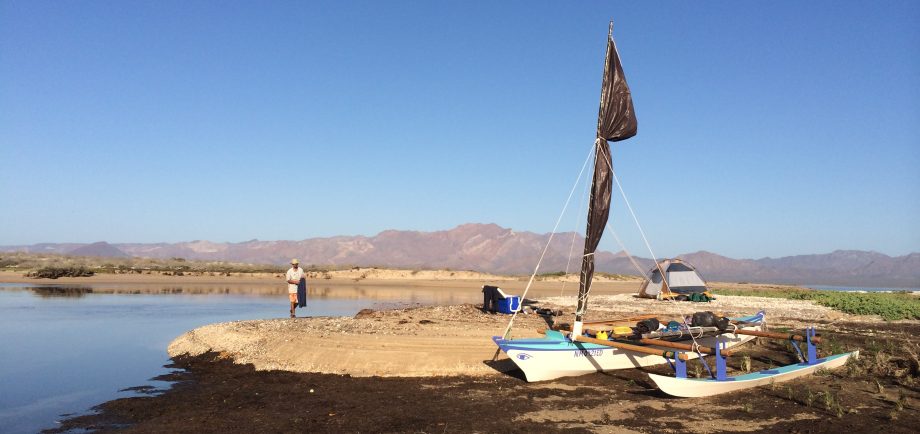
I wake up on my Wharram catamaran, Curious, and immediately think about coffee. That little morning ritual dream has returned, and with it comes more: ideas about writing, about what direction to take my life, about income streams I haven’t yet built but can at least imagine. The dreams are modest, sometimes fleeting, but they are mine, and they are alive.

It’s Starting to Look Good

For now, my certainty doesn’t extend much farther than the simple rhythm of living: coffee, the rocking of the boat, watching the sky change its moods, writing down my thoughts. But I’ve learned that even small dreams are victories. They prove I’m moving forward, however slowly.

The Lesson of Dreaming

If there’s one truth I’ve carried throughout of all this, it’s that dreaming is not optional. It isn’t some luxury for the optimistic or the privileged—it is essential. Without dreams, we don’t move. We don’t grow. We stagnate, running in place, alive but not truly living.

Dreams are what carry us from despair to hope, from stillness to action. They start small: the smell of coffee, the sound of a river or pounding surf, the idea that tomorrow might be worth something. From there, they grow. And with time, if we nurture them, they can rebuild a life.

Working on Dreams

I’m still learning how to turn my dreams into reality again—how to create an income, how to carve out a future that’s more than merely survival. But for now, I take comfort in this: each morning, I dream of coffee, and from there, the world opens up.

Because dreaming, I’ve come to understand, is not just about wanting something that isn’t here yet. It’s about believing there’s still a path ahead—and having the courage to walk it.

Categories: Journey Skills | Leave a comment

Website Powered by WordPress.com.