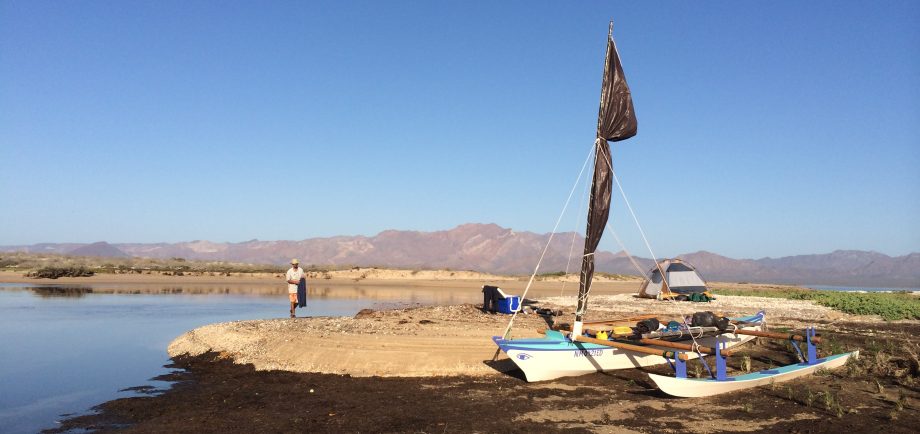
Not every adventure needs to be an expedition around the world.
The most meaningful journeys can often happen just a few miles from home, in a local river or dam, a sheltered bay, or along a winding coastline. Packing your gear into a canoe, dinghy, kayak, or small sailboat and heading out for a night or two under the stars offers a way to taste freedom without the need of a large boat and a limitless budget.

The beauty of micro-adventures lies in their scale. You don’t need months of planning or complicated logistics and you certainly don’t need to cross oceans. You simply need a small, reliable craft of some sort, a bit of gear, and the willingness to follow your compass and chart toward a campsite. Small boat camping exists in the space between exploration and simplicity. Ordinary becomes extraordinary the moment you untie a rope and move away from the dock. That first interaction with a creature from the deep will be imprinted in your memory forever.
Why Small Boat Camping?
1. Freedom Without Complexity
Large boats come with large expenses, bigger responsibilities and planning, and greater ongoing maintenance. Alongside this is the fact that if something significant goes wrong out on water your options for doing on the run repairs can be quite restricted.
On the other hand, a small boat offers spur of the moment adventures. You can launch quickly, navigate skinny, shallow waters, and slip into hidden coves where larger boats can’t follow. With less to manage, the focus shifts to the essence of adventure—exploring, camping, cooking outdoors, and immersing yourself in nature.

A wonderful bonus is that nature will often come very close to you personally, we’re talking within an arms reach. Maybe a minnow or stingray, dolphins or sharks, or even a pelican or heron landing on the deck of your sea kayak, all of which has happened for me. I can also attest that having something breach the surface from below, or have an Osprey or Pelican drop a surprise dive bomb on a fish, right beside you will have your heart racing for while!
2. It’s Affordable and Accessible
Camping from a small boat dramatically lowers the barrier to entry. You don’t need deep pockets to experience a night floating at anchor beneath the stars or camping on a lonely shore gazing into the embers of your cool fire. An inflatable dinghy, a kayak, or even a modest secondhand sailing dinghy can open the door to adventure based experiences that are far richer than their price tag suggests.
3. The Blend of Two Worlds
Camping and boating are combined. By day, you’re navigating over waterways, dancing with the wind in your sails or feeling mesmerized by the rhythm of the paddle in your hands. By night, you’re pitching a tent on a beach all to yourself or sleeping at anchor aboard your boat being lulled sleep by the gentle rocking. It’s can be the intimate union of land and water adventures— half land based campsites, half sea voyage.
The Magic of Scale
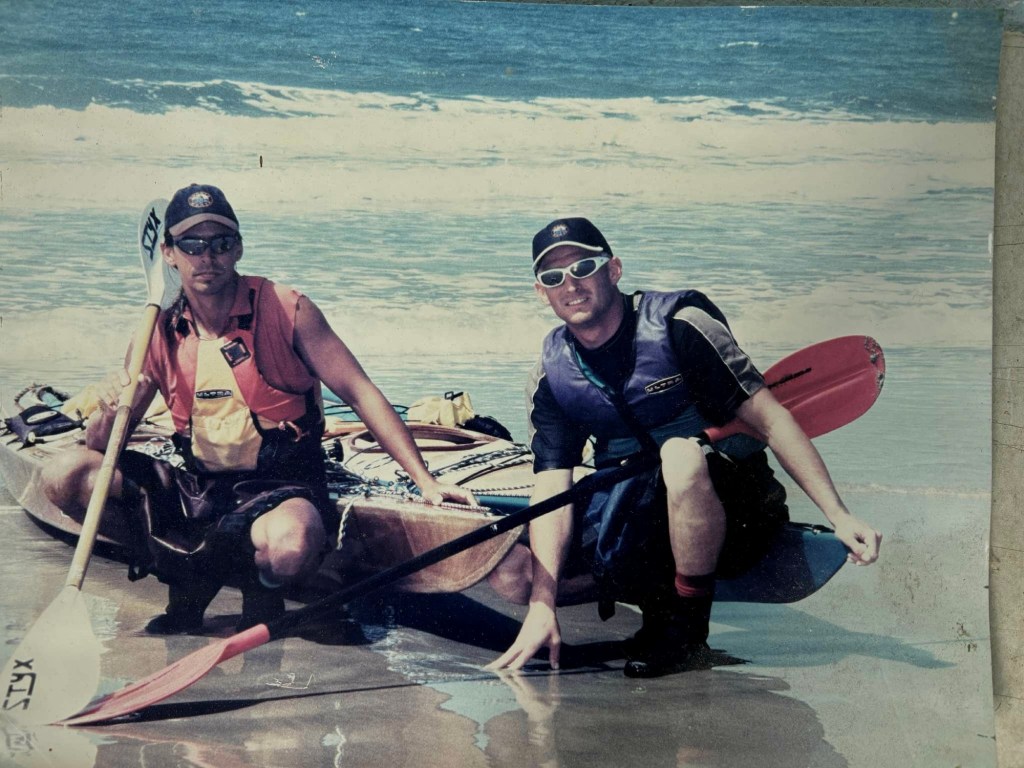
Thinking of great adventures, we often imagine climbing dazzling peaks, traversing through deserts, or crossing vast oceans. Yet there’s a certain magic in realizing you don’t need to scale Everest to feel wonder. Spend one night on a small island, watching the tide rise and fall as the stars above you move across the sky, it can feel just as epic.
Small boat camping thrives on scale not measured in distance covered, but in experiences collected. The sound of an owl hooting from the tree-line, or a curlew crying out nearby on the beach. Water lapping against the hull as you fall asleep. Cooking your evening meal on a campfire with nothing but the night for company, then enjoying your smoke infused morning coffee as the sun rises.
A micro-adventure is proof that you don’t need more; more miles, more gear, more expense. Simply to pay attention to what’s already available in your own backyard. You’re ‘somewhere nearby’ is someone else’s exotic location.
Preparing for a Micro-Adventure
Part of the joy of small boat camping is how little it takes to prepare. But preparation is key, and done well, it ensures safety and maximizes enjoyment.
Choosing Your Boat
Sea Kayaks, River Kayaks & Canoes: Lightweight and portable, perfect for lakes, rivers, and calm bays, and of course, coastal cruising.
Inflatables & Dinghies: Versatile, affordable, and easy to transport.
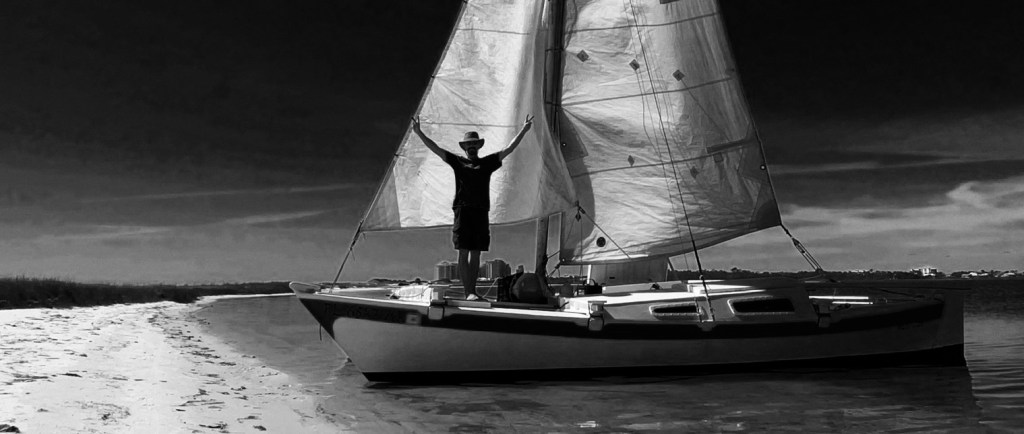
Small Sailing Dinghies: Harnessing the wind offers both sailing fun and a floating platform for camping.
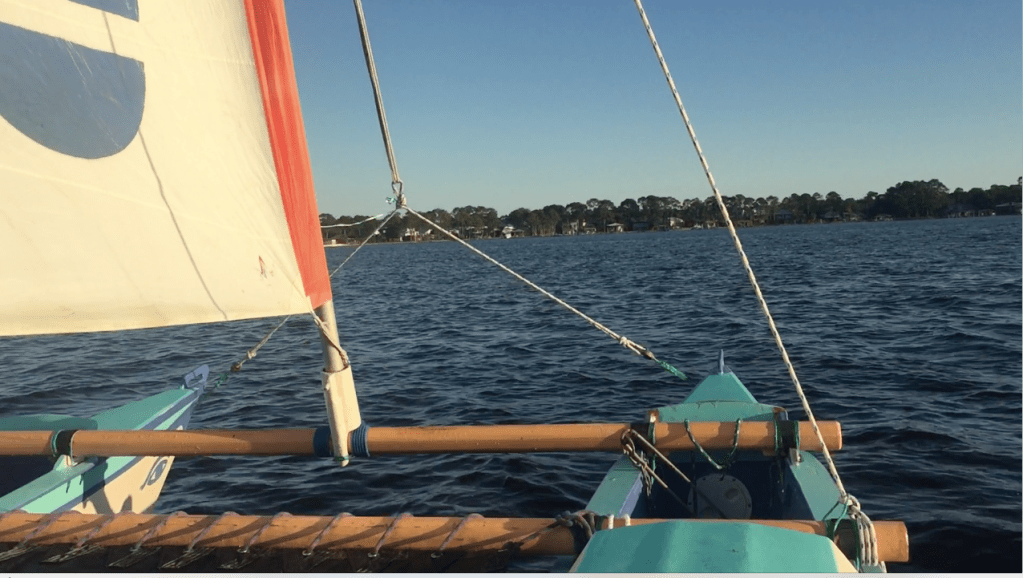
The boat you choose depends on your waterway and your comfort level. Some adventurers thrive on the effort put in to paddle a kayak or canoe, while others enjoy adjusting the mainsail and dancing with the wind.
Essential Gear Checklist
At its heart small boat camping doesn’t demand much, although a few essential items go a long way:
Dry bags for keeping gear safe.
A lightweight tent or tarp if camping ashore.
Sleeping bag and pad for warmth.
Portable stove and a compact cook kit.
Food and its containers
Headlamp, water filter/supply container, and basic first-aid kit.
Navigation essentials—map, compass, or GPS.
Planning the Route
Start small.
Aim for one and two night trips on local waters with undemanding waters. Identify various potential camp locations ahead of time, whether it’s a sandy beach, a designated campsite, or a quiet protected bay. Keep your initial distances manageable, read short, and plan to end each day with at least a few hours of daylight. Learning the process of loading and unloading your gear, where it lives, how often it gets used and in what order it is packed is a huge part of this new adventure based lifestyle.
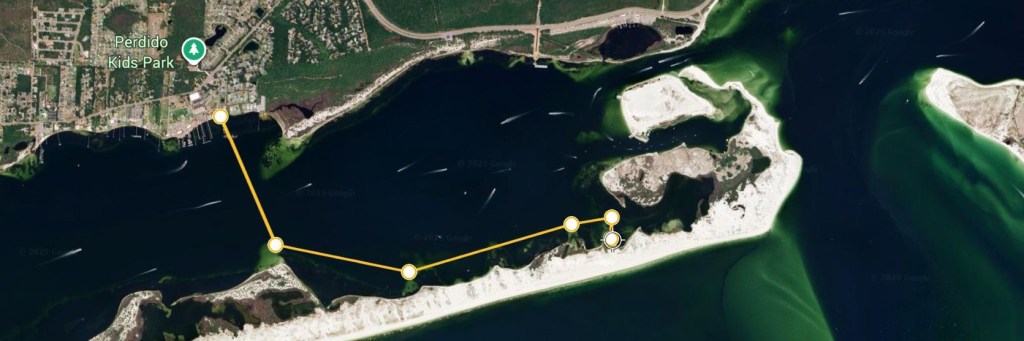
To ensure the journey is enjoyable, and not exhausting, I’ve always recommended breaking your first days into two, three, or even four short segments with potential campsites at each segment. This provides the choice of pushing on if it feels good, or staying put and enjoying moment if you’re tired.
Stories from the Waterline
Small boat camping is less about theory and more about experience.
Picture this:
You push off from the dock late in the afternoon, the sun dipping toward the horizon. Your gear is neatly stowed, dry bags and equipment safely secured, and a small cooler at your feet. The paddle dips into the water with a satisfying rhythm, or the sail fills gently pushing you onward, and already you feel the grip of ordinary life loosening.
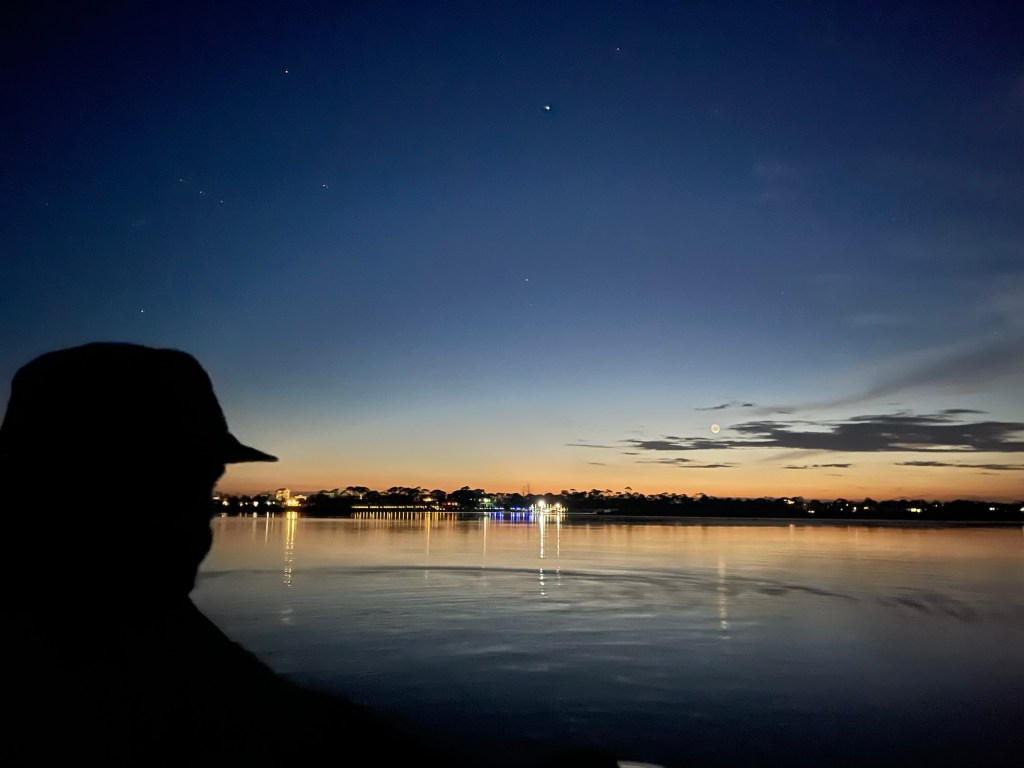
An hour later, you nose the bow into a quiet cove, or on to a lonely section of beach. You drop your anchor or pitch your tent, and by the time the sun fades from view you’re sitting cross-legged by your camp stove, steam rising from evening meal with a cold beer in hand. Fireflies dance through nearby branches. Over the water, a pelican glides by into the twilight, wing tips inches off the water.
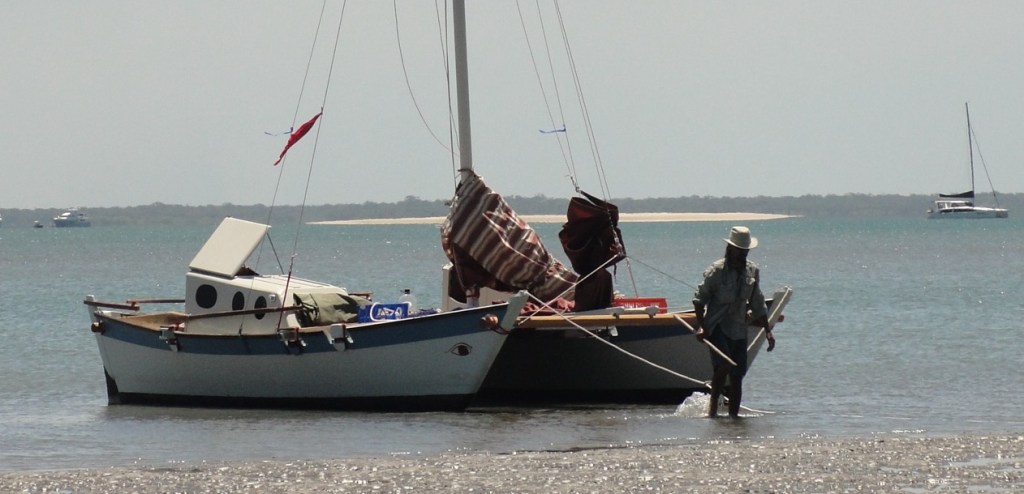
It may not be a grand expedition, but in that moment, you are experiencing the real world and feeling utterly alive.
The Joy of Solitude
Small boat camping steps you away from the noise of our modern world. Even if you’re just a few miles from town, the water acts as a natural boundary between you and the chaos of daily life.
In your solitude, you notice details that are often missed: the pattern of ripples in the current, the call and movements of the night creatures, the smell of salt or pine hanging the air. You realize that contentment doesn’t come from more possessions, it comes from fewer distractions.
Shared Adventures
Small boat camping need not be solitary. A group of friends, each in their own craft, each on their own journey, come together at the evenings campsite. Boats can be rafted together to become a platform for storytelling, laughter, and shared meals. The intimacy of small boats encourage closeness. You can be separated by cabins and decks, yet still gathered side by side, trading stories over simple meals and shared star light.
Lessons from the Water
Each trip, no matter how small, teaches something.
Cooking with limited gear demands resourcefulness, making do with what you packed. Waiting out weather or tides, and learning to adjust to conditions requires patience you have no choice in.
Dealing with the discomfort of mosquitoes and bugs, or a sudden rain squall, and realizing you can handle it all, develops resilience. The sheer privilege of floating on the water, of having a patch of earth to camp on, of having the freedom to do these things can be a profound lesson in gratitude.
These lessons will make their presence felt in life ashore as well. Small boat camping becomes more than mere recreation, it develops a mindful practice of living deliberately and simply.
The Environmental Connection
Spending time afloat reminds us that water is not just scenery, but a fragile, living environment and worth protecting. Camping from a boat you’re often in places less touched by human hands, places where your presence has an immediate impact and we must tread lightly.
If you bring it in with you, take it back out with you.
Try not to disturb the wildlife too much.

Respect the intertidal zones and fringing vegetation.
Small boats have a small footprint, but even small footprints matter, and enough of them can have a big impact. The more we respect our waterways, the longer they will endure for others to enjoy, and more importantly will allow the natural world to do its own thing.
Micro-Adventures as a Lifestyle
The increasing popularity of “van life” is showing that mobility and simplicity is being valued more and more, and small boat camping is its aquatic cousin. Both concepts reject the idea that you need great excess to feel alive. Both concepts thrive on minimalism, resourcefulness, and the joy of small spaces.
Micro-adventures by water allow you to turn weekends into stories, shorelines into personal discoveries, and a modest boat into a vessel for freedom. It’s not about where you go, it’s about how fully you experience it.
The Joy Is Waiting
You don’t need a big yacht capable of crossing oceans in luxury. You don’t even need months of preparation. Good situational awareness with an eye to the weather and basic navigation can carry you around the corner to an unexplored, by you, location. All you need is a small boat, a sense of curiosity, and the willingness to push off into the unknown—whether that unknown is just around that next bend in the river, across a quiet bay to a new island or a lonely piece of beach.

The joy of small boat camping is not in the distance traveled but the immersion in the experience, the simplicity, and remembering that life’s greatest adventures can often come in the smallest of packages.
So, next time the weekend arrives and feel the water calling, grab your boat, pack some gear, and just go.
Your micro-adventure is waiting.








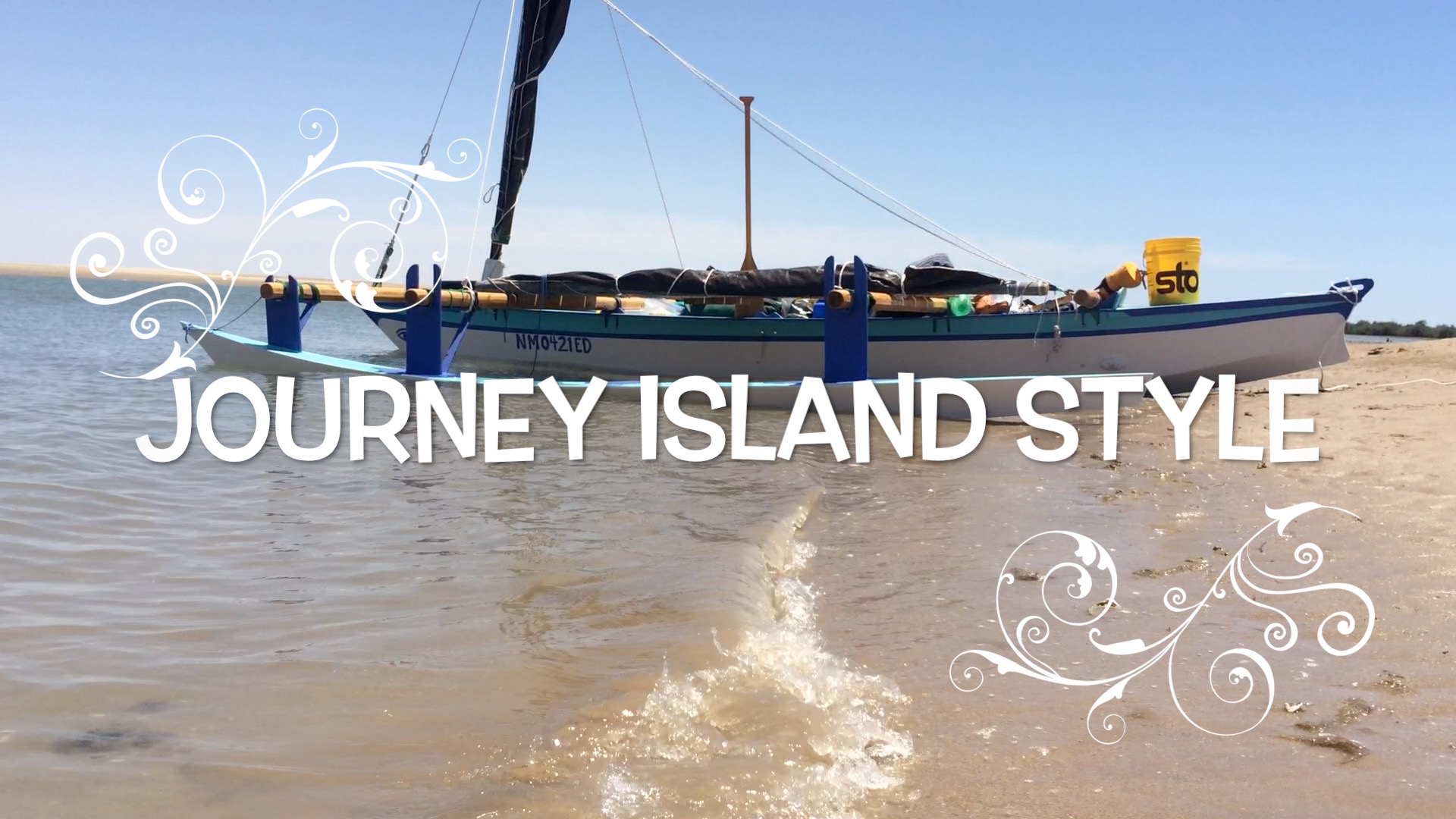
 Journey Island Style