Posts Tagged With: Tangaroa 35

Cruising Life on a Wharram

Long term cruising on a Wharram catamaran along the bayous and shallow bays of Alabama and the Florida Panhandle is an education in slow water, muted weather, and a patience shaped by tides you can almost—but never quite—predict.

Just Slow Down and Enjoy

Here, sustained north or south winds matter more than the tide tables; blow long, and hard enough and they physically pile water into the bayous or drain it back out. More than once, the wind has rewritten the day’s expectations, leaving channels and mudflats much shallower than expected. At least that’s excuse I’ve used after my keels have kissed the bottom.

This is not the glamorous end of sailing, the blue-water fantasy sold in brochures and drunken stories. There are no real trade winds here, no flying fish, no tropical idyll. Instead, the water is green and opaque, the air heavy with insects, and the bayous are thick with baitfish. Which is precisely the point.
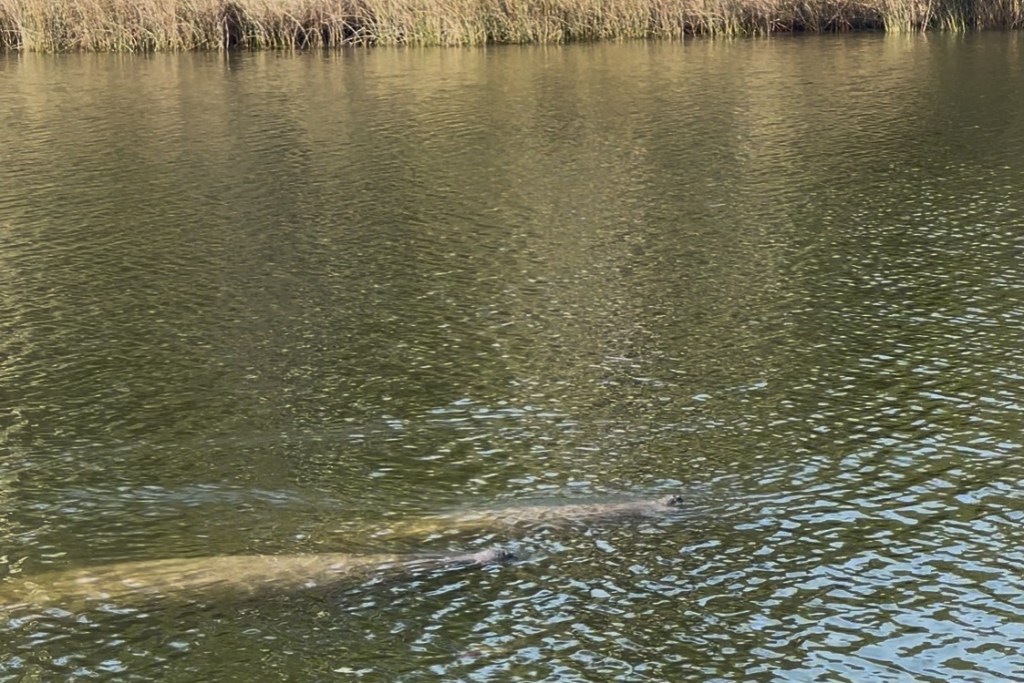
Manatees Just Hanging Out

The dolphins understand this better than anyone. They come not for the scenery but for the economics of it. Food gathers here, and where food gathers, predators follow. I’ve watched dolphins catch a fish, toss it into the air, chase it down, catch it again, and throw it once more—not out of cruelty, exactly, but because they can. It looks playful from a distance, the way all nature does,… when you’re not the one being played with.

From the boat, it’s entertaining in a quiet, passing way, something to watch while the kettle boils or the tide turns. The fish, I suspect, would describe the experience differently.

A Wharram doesn’t demand attention. That is perhaps its greatest virtue in these waters. It sits lightly on the water, almost politely, in places where deeper draft boats fear to go. With its narrow hulls and shoal draft, the boat invites exploration rather than concern. You can sneak into creeks that look too small to matter, glide over shallow sand bars, and anchor in water skinny enough to watch crabs and stingrays searching for food.
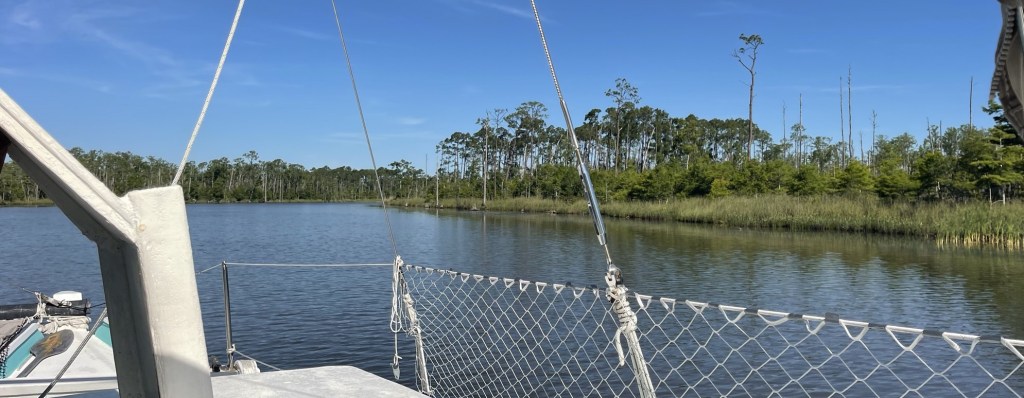
A Very Quiet Anchorage

The Alabama and Florida Panhandle coast is a quilt of environments stitched together by tides and tannin-stained water. There are open bays that feel deceptively spacious until a northerly wind kicks in and turns them into a bouncy, angry washing machine. There are parts of bayous so delightfully serpentine they wrap around you like a hidden path, and the occasional disdainful heron will squark loudly because you got too close. There are the barrier islands, low and sandy, that on one hand appear so very fragile and on the other they’ve stopped the entire ocean dead in its tracks for thousands of years. A Wharram makes sense in all of it—not because it conquers the environment, but because it cooperates with it.

In summer, life aboard starts early, mostly because the heat insists on it. In winter the sun rises sharp and clear, and by midmorning the cabin is already warm enough to encourage activity. The Wharram’s accommodations are famously simple—some would say spartan—and that simplicity becomes an asset here. There is little to manage, little that can break, and nothing that requires shore power to feel “normal.” You wake with the dawn light, make coffee on a stove that doesn’t care where you are, and sit on deck watching the water change color as the sun rises. There is no rush, because nothing in these waters moves quickly except storms, and they provide a little advance notice.

Wide Open Shallow Waters

Anchoring becomes an art form. Not the deep-water, chain-and-scope arithmetic of offshore sailing, but the careful judgement required in shallow bays with soft bottoms and shifting winds. A Wharram rides easily to anchor, rarely sheering, and draws so little that you can often anchor where deep draft monohulls wouldn’t consider stopping. This opens up opportunities invisible to most cruisers: little side bays, dead-end creeks, the backsides of barrier islands where the sound of the Gulf is just over the dunes. You learn to read the bottom by its color, to trust your eyes more than your electronics, and to recognize the subtle difference between mud that will hold and bottom that will simply shrug and let go.

Weather governs everything. Summer brings heat and thunderstorms that rise out of nothing and flatten the world for an hour or so before moving on. You learn to reef early—not because you need to, but because it makes life easier—and to set awnings and sunshades as soon as possible after the anchor drops. The Wharram’s open structure helps; breezes move through the boat instead of being trapped inside it. Nights are a study in contrasts: heavy air, chirring insects, the click, clack, and snap of shrimp sounds through the hull, and stars bright enough to make you forget about air conditioning entirely.
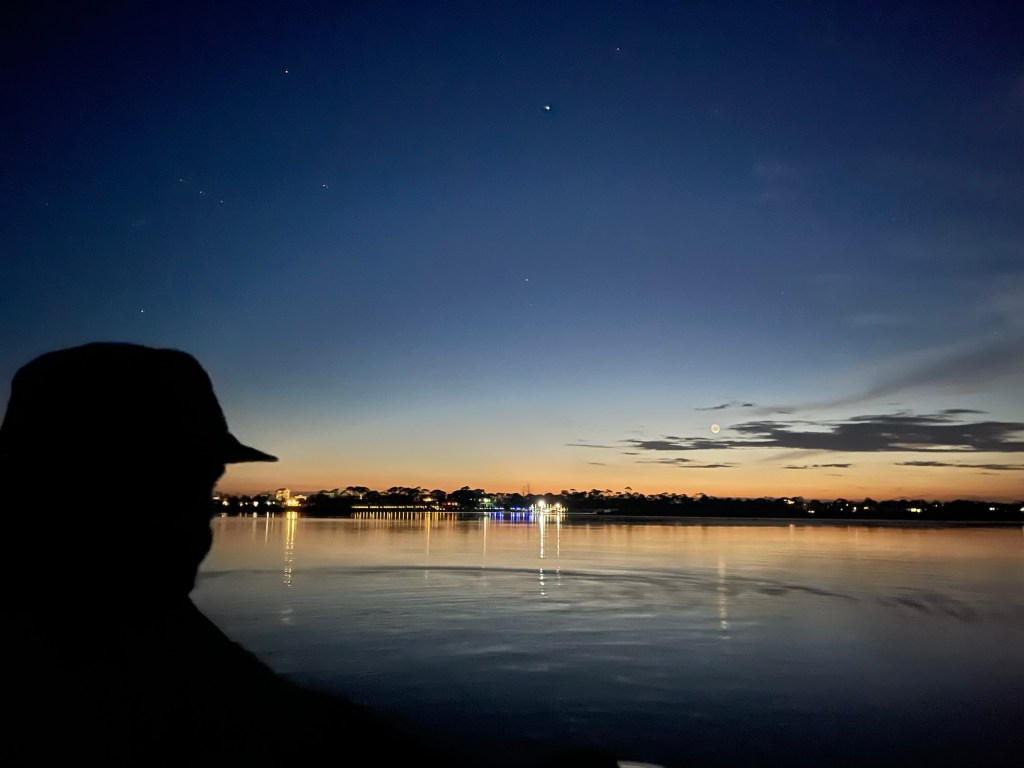
Magical Nights

Winter, by contrast, is crisp, cold and often beautiful, but less forgiving. Strong northers blow down the rivers and across the bays, pushing water out and leaving docks with surprisingly little water around them. Here again the Wharram excels. Its light draft means you are rarely left high and dry unless you choose to be. You can tuck into creeks for protection, nose into the backwaters where the wind dies completely, and wait out the blows with relative comfort. You become intimately familiar with cold mornings, condensation, and the quiet satisfaction of a hot breakfast eaten while the world outside shivers.

Provisioning is part of the rhythm. Grocery stores appear intermittently, often far from available docks. Living on a Wharram encourages modest needs: fewer things, better choices. You carry what you can realistically store and accept that fresh vegetables are a treasure rather than a guarantee. Fishing fills some of the gaps—not romantically, but practically. Speckled trout, redfish, the occasional flounder if you are lucky and patient. Meals become simple and satisfying, shaped as much by what the water offers as by what simple stores I can carry.

Simple Food Supply

The social world is small but memorable. Along these pieces of coastline, people notice a Wharram and often ask questions. It looks different, unapologetically so, and it invites conversation. Fishermen idle over to ask what it is, how it sails, where you came from. Some are skeptical, others enthusiastic, but nearly all are curious. There is a sense that anyone choosing to live this way must either know something important or be slightly unhinged. Often, it’s a combination of both. Marinas are rare, and when you do tie up, you are treated less like a transient customer and more like a temporary resident with an interesting story.

Solitude, though, is the dominant feature. Days, occasionally even weeks, pass without speaking to another person. You learn the sounds of the place: the low thunder of distant surf on the barrier islands, the hiss of wind through spartina grass, the outboard engines whining faintly miles away. There is a humility in this isolation. The land here is not dramatic in the way mountains are dramatic, but it has weight. It changes slowly and remembers everything. Living on a Wharram, you float lightly across it, an observer more than a participant, tied to nothing but tides and weather.
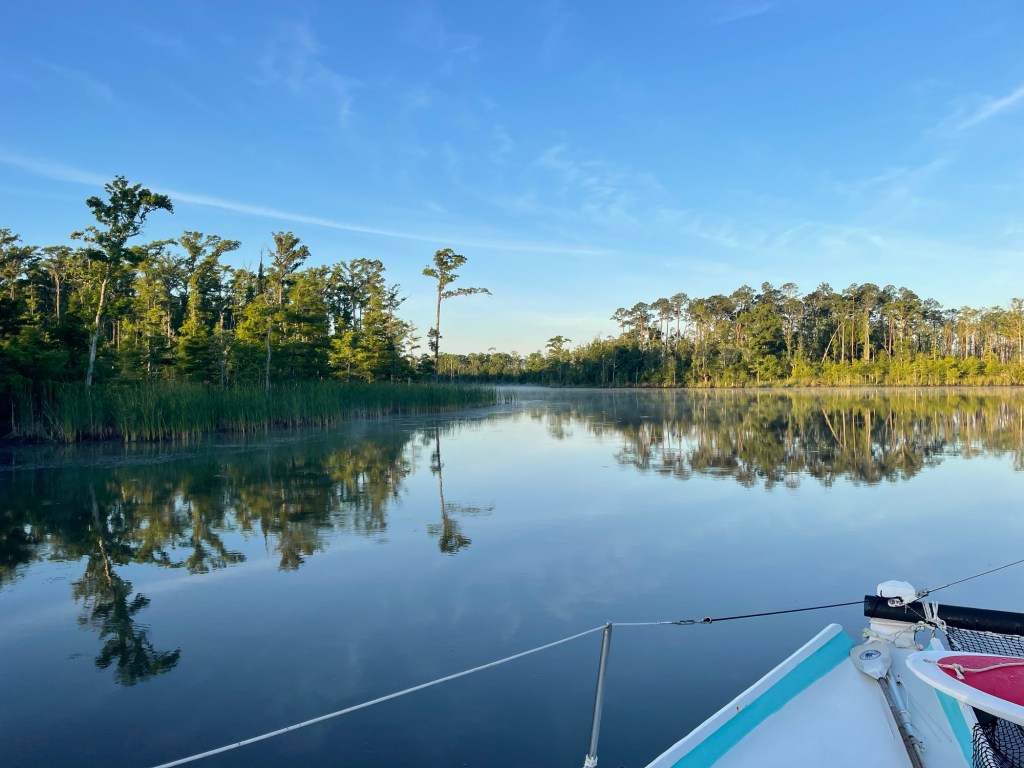
Not a Bad Place to do Maintenance

Maintenance, such as it is, fits the scale of the boat and the environment. Salt still corrodes, sun still punishes, but the systems are few and accessible. Wood, rope, and simple hardware age honestly. You sand, paint, replace, and move on. There is satisfaction in knowing every part of your home, in understanding how loads affect the way the boat moves, how water finds its way in, and how to persuade it back out again. A Wharram doesn’t demand perfection—only attention.

The shallow bays and bayous reward curiosity. You start exploring places with no names, or names that exist only on paper charts. There are afternoons spent drifting with the current, sails down, letting the boat slide quietly past marsh grass and oyster banks. Birds become neighbors: ospreys watching suspiciously from channel markers, pelicans gliding past at arm’s length, herons lifting reluctantly as you pass. These moments are small, easily overlooked, and completely absorbing. They are the currency and markers of this life.

Storm preparation is taken seriously, but not dramatically. You learn the patterns, the safe pockets of protection behind islands, the places that offer protection from surge and wind. The Wharram’s lightness is again an asset; it doesn’t fight the water so much as dance with it. Lines are secured, anchor’s checked, and you settle in to wait. When storms pass, the world feels scrubbed clean, rearranged just enough to remind you who is in charge.

Very Humbling

Living aboard in this region teaches restraint. You don’t push schedules, don’t force passages, don’t pretend the weather will cooperate because you want it to. The Wharram reinforces this mindset. It sails best when allowed to do its own thing, when trimmed gently and not pressed. In return, it rewards you with easy shallow access, and a sense of being exactly where you belong—even when that place is an unnamed bend in a bayou with mosquitoes thick enough to darken the air at sunset.

Perhaps the greatest gift is perspective. From the deck of a small, simple catamaran, the Alabama and Florida Panhandle coast reveals itself as a working landscape, not a resort brochure. Shrimp boats leave before dawn, and bridges loom overhead, all are indifferent to your passage. Shorelines change from wild marsh to modest towns without ceremony. You are close enough to see the details, far enough removed to avoid being entangled by them.
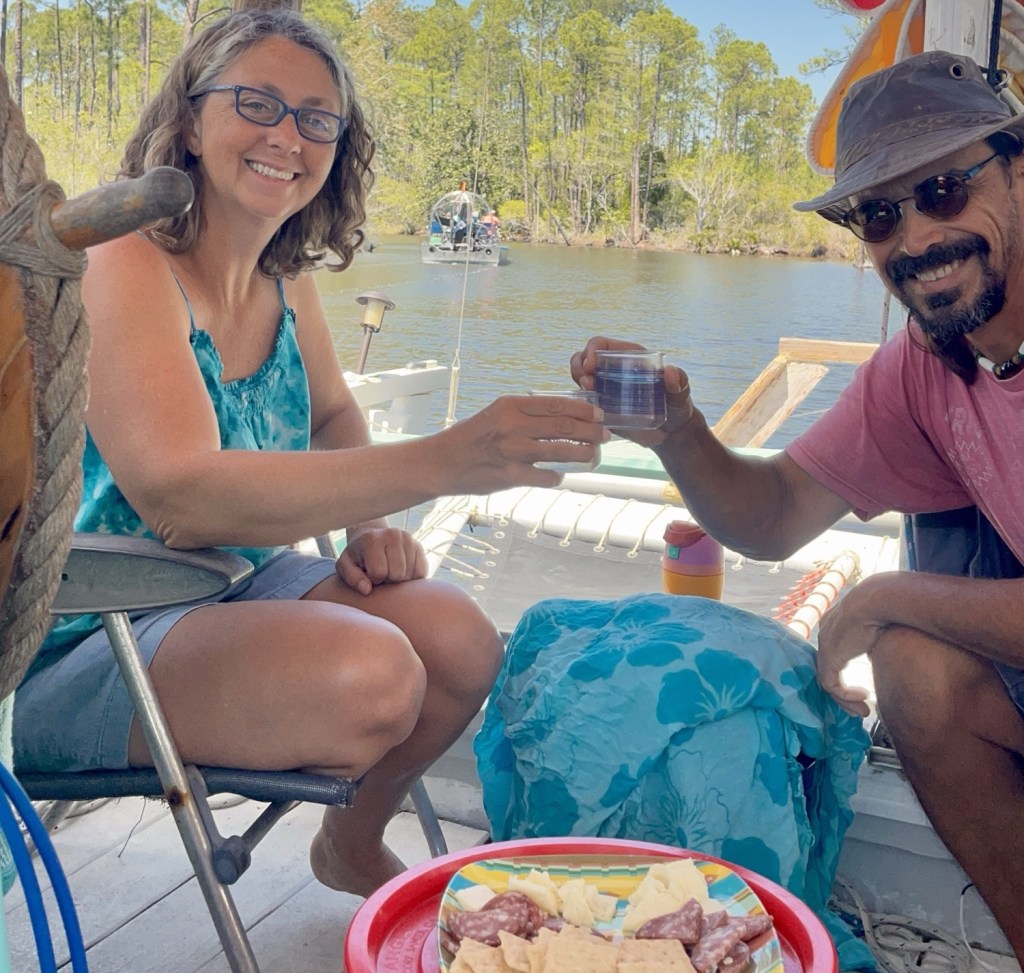
Cheers

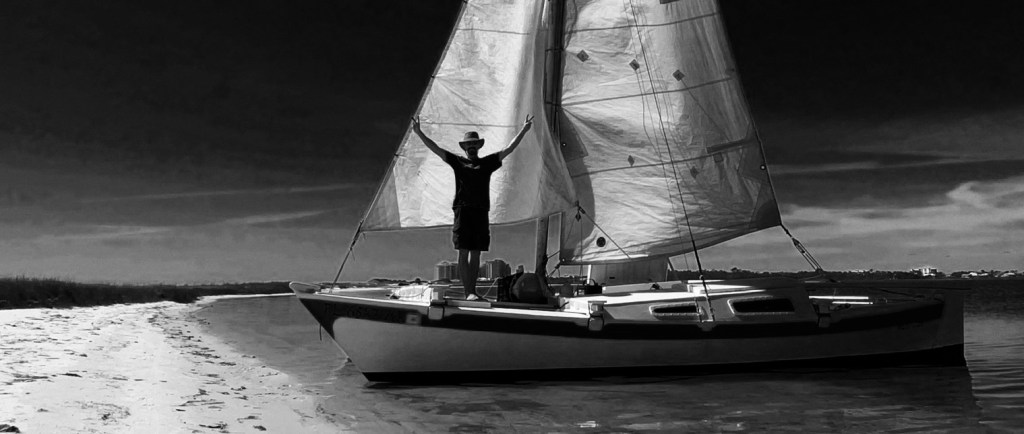
In the end, living on a Wharram catamaran here is less about adventure and more about alignment. The boat fits the place, and the place fits the pace. It is a life stripped of excess and rich in observation, where days are measured in tides and light rather than miles covered. You move slowly, live lightly, and learn—over time—that this quiet corner of the Gulf Coast has more to offer than it first appears.
Categories: Journey Skills | Tags: , , , , , , | Leave a comment

Midnight on the Water

A quiet midnight trip home turns into a reminder that the world still hums along perfectly well without our supervision.

Out there, alone on dark water, the line between comfort and unease gets beautifully thin.

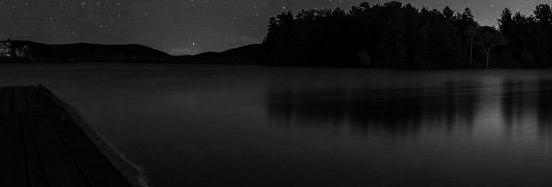
Night Time Beach

The boat I was using that evening was a Wharram Tiki 21 propelled by an electric trolling motor. The motor’s not fast, and it’s certainly not impressive, but it’s reliable and — most importantly — quiet. The kind of quiet that feels intentional, as though we were trespassing on something delicate. I eased the throttle forward and the boat began to slide away from the dock without so much as a ripple, and I thought: this is what a cat must feels like wandering around at night.

Coming back from dinner with friends the other night, I ended up returning a little later than expected — close to midnight. I hadn’t planned on staying that long. Dinner had that pleasant, lazy rhythm that tends to stretch out when the stories are good, the food is better, and nobody’s checking their watch. We weren’t solving the world’s problems — as people tend to do after a couple of drinks — just talking about them. By the time I got back to our Tangaroa 35 catamaran ‘Curious’, the moon was well up and the water was pitch black.

A few minutes into the trip, I turned off the running lights. Not because I was trying to be rebellious, but because I wanted the dark to swallow me whole. The world immediately changed. The reflections disappeared, the shoreline melted away, and I was left floating in a kind of soft, liquid darkness.

Then, the sounds began.

Sneaky

The water started speaking in tiny languages — clicks, splashes, swirls. Every one of them sounded personal, like a conversation I wasn’t invited to but was close enough to overhear. A fish would strike at the surface with a quick smack, and another would follow with a smaller, less confident version. The whole scene was alive with commotion, both violent and peaceful at the same time.

It struck me that this sort of experience is becoming rare. Most people, even those who live near the water, never really hear it. The background hum of convenience equipment, boat engines are getting ridiculously huge and most waterfronts glow like carnival rides. But there I was, in the dark, traveling at the pace of a slow thought, listening to life happen around me.

The shoreline houses were dark and respectable, the kind that tuck themselves in early. A few porch lights burned like lazy fireflies, and every now and then a motion sensor would flick on — probably because some nocturnal creature had wandered into a suburban security zone. It’s a very “end-of-the-road” sort of neighborhood, the kind where people move to get away from things, and then realize there’s not much left to get away from.

The Dark World

In the glow of a few submerged dock lights, the water took on that eerie aquarium quality — lit from below, with shadows moving through layers of green. The small ones zipped through like nervous commuters, darting in and out of the light, while deeper down larger figures glided through with a kind of ancient patience. I caught sight of something that looked about two feet long, moving slow and deliberate, a shadow that didn’t care about being seen. There’s a hierarchy down there that we only ever glimpse, and I had the distinct impression that most of the sub aquatic residents were avoiding eye contact.

Out past the lights, the black water shimmered with sound. You couldn’t see the surface, but you could hear the stories it was telling — somebody feeding, somebody fleeing. Life and death happening right there beneath me, entirely unbothered by the human world’s sense of importance.

The trees along the shore played their own part in this dark theater. Their moon shadows stretched across the water, long and ghostly, swaying with the light breeze. Every so often, a branch would move in a way that felt intentional, and I’d catch myself staring too long, wondering what exactly was watching whom. Then a bird — usually a heron — would launch from its perch and glide low across the water. When it passed close, it would let out a loud squawk, and every time it startled me just enough to be grateful for my mortality.

There’s something about being alone in the dark that resets the ego. You stop being the protagonist of your own story and start feeling more like background noise. The water doesn’t care what kind of day you’ve had. The fish aren’t interested in your ambitions or concerns. Even the moon seems vaguely amused that you’re still awake.

And yet, it’s oddly comforting — this reminder that you’re small, temporary, and entirely replaceable. People pay good money for mindfulness retreats to learn that. All you really need is a quiet motor, a moonlit waterway, and the nerve to turn the lights off.

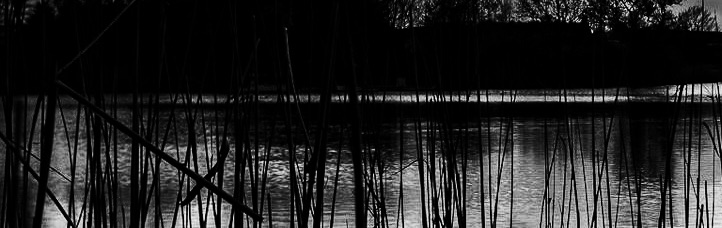
From The Reeds

At one point I cut the motor and just let the boat drift. There was no wind, no current worth mentioning — just the slow rotation of the world and the tiny movements of creatures below. The hull made faint creaking noises when I moved, and occasionally something bumped against it, a polite knock from below that said, “You’re in my way.” I thought of all the times I’d been too busy to notice how alive the night really is, and how most of us mistake silence for emptiness. It’s not empty at all. It’s just occupied by things that don’t need to announce themselves.

The smell of the water was stronger in the dark — that earthy mix of salt, mud, and something indefinably alive. Every sense gets sharper when you can’t rely on sight. The faint hum of insects, the whisper of reeds as creature pushes through, even the occasional splash of something heavy just out of view — all of it added up to a kind of music. Not the sort you hum along to, but the sort that fills you without asking permission.

It was around then that I started feeling the edge of that peculiar loneliness that’s equal parts comfort and unease. You know the one — when you’re the only human around for what feels like miles, and you can’t decide whether to feel lucky or mildly doomed. I was never in any real danger, but there’s an unmistakable awareness that comes when you realize nature could flick you off the map with less effort than you spend swatting a mosquito.

I began to think about how rare true darkness has become. Our modern world has been lit up so thoroughly that we’ve forgotten what it looks like without us. The stars overhead seemed almost relieved to have someone notice them. They were bright enough to cast a faint reflection on the water, little trembling echoes of light that looked like they were trying to climb back into the sky.

Somewhere in the distance, a mullet jumped, because that’s what mullet do — for reasons known only to themselves. A heron gave a single, exasperated squawk from the shoreline, probably protesting my presence. Every sound felt amplified and significant. It’s funny how, in daylight, we ignore half of what we hear, but at night, each sound feels like a clue to a mystery we’ll never solve.

Drifting there, I started thinking — as one does when given too much quiet — about how most of us spend our days surrounded by noise, filling every silence as if it were a gap in programming. Music, podcasts, the constant hum of engines and conversation. Out here, none of that applied. The night had its own rhythm, and it didn’t need accompaniment.

Night Anchorage

I remembered something a friend once said after his first night anchoring out alone: “You don’t sleep much the first few nights — not because you’re scared, but because you keep realizing how alive everything else is.” I understood that perfectly now. Out here, the water and the air trade secrets you can’t quite hear.

After a while, I turned the motor back on — just a whisper of thrust — and began to make my way home. The shoreline slipped by like a series of sketches: the faint outline of a dock, the dark silhouette of a mangrove, a forgotten buoy bobbing lazily. Every little thing looked more meaningful than it did in daylight, as if night were the original artist and daylight just the copyist.

As I drew closer to my boat, I passed through one of those underwater light zones again. The fish were still there, swirling in silent chaos. I slowed to a stop just to watch. It struck me how effortless their world seemed — dangerous, yes, but honest. Nobody was pretending to be something they weren’t. You eat or you’re eaten. You hide or you’re seen. It’s not a system built for comfort, but it’s fair in its own way.

A few minutes later, I reached my catamaran Curious. The deck boards creaked under my weight, the ropes strained a little, and the familiar smells of wood and ropes met me. The house lights in the distance looked warm, civilized, and slightly out of place — like they belonged to another world that hadn’t yet figured out how to enjoy the dark.

I climbed up on deck and just stood there for a while, listening while my kitty cat came up from the cabin, yawned and stretched beside me. The night went on exactly as it had before I arrived — unconcerned, unaltered. A breeze came through the trees, and somewhere out on the water, another fish jumped, probably startled by nothing at all.

It occurred to me that we spend most of our lives trying to make the world convenient, easier, safer — and in doing so, we lose touch with this small, wild truth: that being part of the world means being at its mercy now and then. It’s humbling in the best way.

Quiet Glow

As I finally dropped below, I looked back once more at the still water. The surface reflected a few stars, the faint glow from a distant porch light, and not much else. I thought of all the creatures going about their nightly business, utterly indifferent to my brief intrusion. And I felt something close to gratitude — not for the adventure, but for the reminder that the world doesn’t need me to keep turning.

I went to bed that night with the portholes open, listening to the faint slap of water against the hull, and thought: maybe that’s the secret to peace — not mastering the night, but learning to drift quietly through it.

Sometimes the best part of being alone on the water isn’t the peace — it’s the perspective. You see the quiet cruelty and quiet beauty living side by side, both part of the same system that keeps going whether we’re there to notice or not. It’s humbling, a little eerie, and exactly the sort of thing that makes life afloat feel so rich.

Categories: Journey Skills | Tags: , , , , , | Leave a comment

Your Backyard is Someone Else’s Exotic Destination

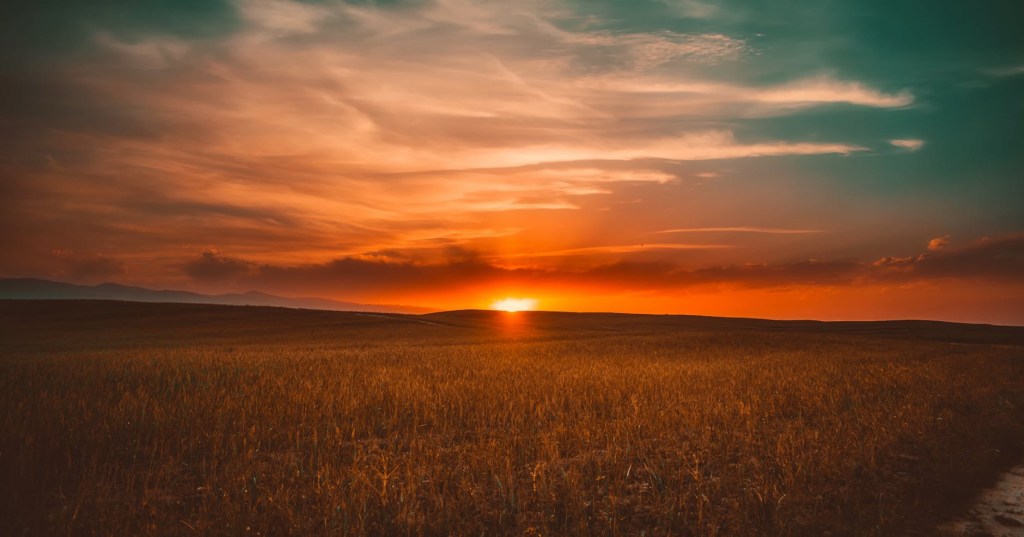
Sunrise or Sunset; still breathtaking

I’ve noticed humans can have a strange quirk, no matter where we are, we tend to think the good stuff is somewhere else. The good old “The grass is greener on the other side.” We often imagine life being grander, more meaningful, better, just over the horizon. Meanwhile, there’s probably someone standing on the other side of that horizon staring back at your patch of earth thinking, “One day, I’ll go there.”

When I taught outdoor education and sea kayaking, I would often tell my clients that where we were climbing, hiking or paddling was an exotic destination for someone a world away. Then encourage them to view our current situation from that perspective.

Someone else’s once-in-a-lifetime destination could be in your own backyard. Someone out there is right now is scrolling through travel blogs and whispering, “One day I’d love to surf on the coast of Queensland!”, or “Fishing in America’s Gulf Coast bayous must be amazing”.

We can be a funny species that way. We’ll spend thousands chasing distant beauty when half the time it exists just outside our back door.

A nice break just down the road

The Lure of Somewhere Else

As kids, we dream of adventure — jungles, deserts, mountains, castles or pirates. Treasure maps always lead somewhere else, far, far away. The treasure was never hidden near home. The adventure was always imagined to be in a distant place that was hard to get to.

Then we reach adulthood, and with it, the ability to travel. Suddenly we’re convinced that peace, happiness, and adventure are only available by the week, in Bali, or the Bahamas. We chase sunsets and cocktails in far off places, forgetting the sun sets just fine right where we are.

Don’t get me wrong, travel is a wonderful thing. Seeing the world, and different cultures changes you and opens your mind. But sometimes, I think we travel less to see but more to escape the ordinary. The trouble is the ordinary can follow us, like luggage. If we tend to grumble about the price of coffee at our local cafe, that headspace will make it through customs with you just fine.

I think John Gierach once wrote that fly-fishing was less about the fish and more about the places it took you. Oftentimes those ‘places’ can be close to our backyards — we simply don’t recognize them because they are wearing their “ordinary” clothes.

Could be your backyard

The Tourist at Home

Could we treat our backyard like an exotic destination? Wander out the back door with the same curiosity and reverence usually reserved for somewhere stamped in the passport?

Pack a small bag, or load the canoe. Walk a local trail, or paddle around a bend in the nearest river. Take a bottle of wine, a pair of binoculars and a notebook or camera. Make your way to an area you’ve never been before, and just sit and listen, and look around.

You might see tiny school of minnows flickering like silver confetti under the hull, or dragonflies hovering overhead in the trees like fairies, maybe a turtle sunning itself on a log as if auditioning for a nature documentary.

Imagine David Attenborough narrating, “Here, in the wilds, the common slider turtle basks in the warm sunlight, blissfully unconcerned he’s being watched.”

Take some photos, write in the notebook, enjoy your glass of wine, and realize you’re doing something in a place that someone else is only dreaming about. It may be your ordinary, but it’s also an exotic destination for someone a world away.

Could be Anywhere

Perhaps the difference between being exotic and being common isn’t distance, but attention. Maybe wonder doesn’t live in the passport stamps, but in how we look at the world.

Someone Else’s Dream

Imagine this scenario.

A German backpacker has flown half way around the world just to surf the very beach down the road from your house in Australia. He’s sunburned, thoroughly stoked, and carrying a surfboard that costs a small fortune.

You meet him in the car park.

He asks, “Do you come here often?”

And you reply, “Nah not really, it’s too crowded, and I don’t like sand in my shorts.”

He’d probably look at you like you hate puppies. “But this… this is Australia! Sunshine! Ocean! Kangaroos!”

And with a bit of sarcasm you might say, “Yeah, mate. And magpies. Don’t forget the magpies, and bloody green ants.”

Here’s someone who’d crossed the globe to experience what you might write off as merely background noise to your life. The surf, the sun, the salt air — all the things he’d dream about while shoveling snow back home in Germany.

I think everybody has a tendency do it. The Parisians roll their eyes at the Eiffel Tower. New Yorkers not paying attention to their astounding skyline. Australians tend to not give the “Outback” much of a second thought

And yet, somewhere, someone, is looking at your part of the world, your park, your coast, your backyard, and thinking: One day.

Sydney At Night

The Myth of Elsewhere

Francis Whiting might have once said that travel doesn’t make you better; it just makes you more you. If you’re impatient, you’ll be impatient at the Colosseum . If you’re generous and happy, you’ll be generous and happy in Ecuador . And if you’re a chronic overpacker, you’ll still carry way too much onto the plane.

We romanticize the idea of “elsewhere” because it’s unspoiled by our reality. The places we haven’t visited are still a mystery. But once we get there, the same life ingredients we left behind are also there: weather, traffic, mosquitoes, overpriced coffee. Conversely, the things we imagine are exciting in that far away place, are actually with us all along.

We might think adventure may lie in far away places, but a lot of life’s mysteries can be found in our own backyard. Walk around a local park or beach, find a spot to sit still for a while and you might see a family of creatures that live in a log or a tide pool. The heron that lands by the creek long enough for you to watch it stalk and catch its next meal.

No Matter Where: It’s Amazing

Maybe the point isn’t to escape the ordinary, but to learn to see past it. When we travel to new places we tend to look for interesting things, but not so much at home.

Why We Miss It

So why do we overlook our own surroundings?

I guess it’s partly novelty. The human brain loves change — it lights up when we’re surprised and stimulated. After a while, our brains go “seen it” and tunes out. It’s the same reason we don’t see the car keys on the table.

And maybe marketing. Billions are spent convincing us happiness is elsewhere — on beaches, in mountain lodges, on yachts with infinity pools. No one’s really running ads saying “Rediscover the magic of your shed!”

But mostly, I think it’s habit. We forget to look. We stop paying attention. And attention, it turns out, is the key to wonder.

Francis Whiting, an Australian columnist, once joked that the best way to make your town exciting again is to have a visitor point out all the things you’ve stopped seeing; “Look at the dolphins! You have dolphins right there under your boat!” they’ll say, eyes wide. And you’ll shrug, “Yeah, but the beer’s gone a bit warm.”

It’s a humbling reminder: the extraordinary doesn’t stop being extraordinary just because we’re used to it.

The Exchange Program

Imagine a global swap program where everyone trades backyards for a week. The English gets an Aussie backyard with kookaburras and magpies. Australians get a snowy German forest. Americans might swap their porches for Japanese bonsai gardens.

Just Thought it Looked Funky?

We’d might come out of it marveling at how exotic our own patch of dirt actually is. The German would rave about the lorikeets and galahs. The Aussie might weep at the sight of a fox in the snow. And everyone would have a chance to see their own gardens with fresh eyes.

Maybe we don’t need a plane ticket — just a change in perspective.

The Backyard Pilgrimage

Gierach wrote about the “home water” — that local body of water you fish over and over until it becomes sacred through repetition. You know every rock, every bend, every stubborn trout that refuses your fly. You could go anywhere, but you keep coming back because it’s yours.

Maybe we all have a “home water.” A place we’ve worn smooth with our presence. It could be a backyard, a park, a corner café, or a bench by the beach.

It’s not glamorous. But it is familiar, and comforting, and quietly miraculous if you pay attention.

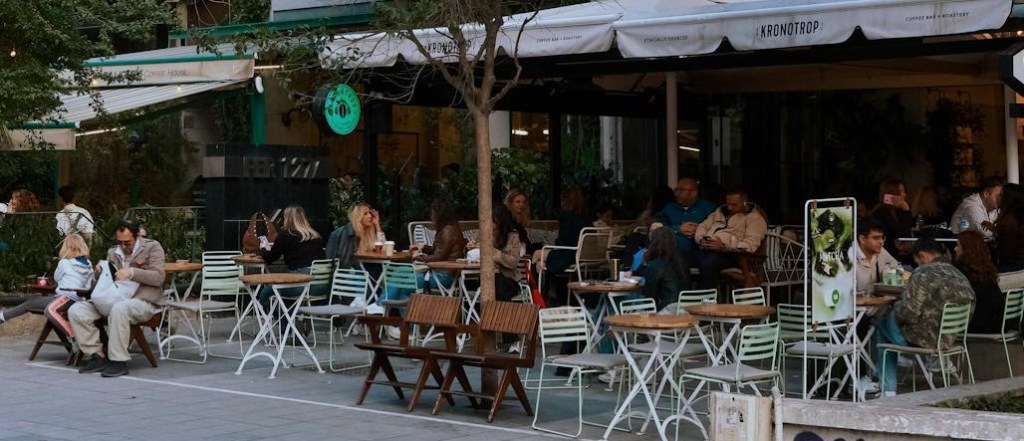
The thing about sacred places is that they don’t declare themselves. You have to decide. You have to say, “This — this patch of sunlight, this breeze, this cafe — this is my Shangri-La .”

What the Tourists Know

Every now and then, you might see a group of tourists snapping photos of something you’d never look twice at — a mural, a fruit stall, a street musician. They’ll beam, take selfies, and then you might realize: they’re right. It is beautiful. I just forgot.

Tourists find the secrets we’ve forgotten: the world is astonishing if you’re seeing it for the first time.

So here’s a thought experiment. Tomorrow morning, wake up and pretend you’re visiting your home area for the first time. Take the scenic route to work. Walk instead of drive. Ask questions. Notice things.

Hopefully you’ll find something you’ve never seen before — even if it’s just how good the light looks at a certain hour, or the way the neighbor’s jacaranda turns the footpath purple.

Jacaranda Glow

The Grand Conclusion (with a glass of wine)

After all these backyard expeditions and philosophical wanderings, I’ve come to a simple truth:

Everywhere is exotic to someone.

Everywhere is ordinary to someone else.

And the difference lies in the eyes doing the looking.

You don’t necessarily have to cross the Andes Mountains on horse back to feel awestruck. Sometimes it’s in the way the morning light hits your backyard trees. Sometimes it’s the smell of fresh rain on dry earth. Sometimes it’s just sitting with a cup of tea, realizing you’re standing in the middle of someone else’s dream location.

So, next time you find yourself scrolling through travel blogs, dreaming of far-off lands, take a walk outside. Listen. Look. Smell. Pretend you’ve just arrived.

You might discover that the adventure you’ve been saving for is already happening — right there in your own backyard.

Categories: Journey Skills | Tags: , , , , , , | Leave a comment

Website Powered by WordPress.com.